
When Grocery Prices Spike, How Rising Meat Costs Affect Your Health
Last updated on
Shoppers across Florida are voicing anger and disbelief after discovering steep meat prices at one of the state’s most popular grocery chains. Photos shared online show premium cuts of beef priced at levels many customers describe as outrageous. While the debate has largely centered on affordability and fairness, there is another dimension that deserves attention: how rising food prices quietly shape health choices, stress levels, and long term wellness. For many households, meat remains a central source of protein, iron, and essential nutrients. When prices rise sharply, families are often forced to rethink meal plans, portion sizes, and even how often they eat at home. These decisions may appear financial on the surface, but they influence nutrition, energy levels, and emotional wellbeing. Food is not just fuel. It is deeply connected to physical health, mental stability, and daily routines. When grocery costs rise faster than incomes, the ripple effects extend into kitchens, family dynamics, and personal health goals. Understanding this connection helps explain why grocery price outrage is about more than sticker shock. This article explores how soaring meat prices can affect dietary quality, stress, and overall wellness, while also offering realistic strategies to protect your health even when grocery bills keep climbing.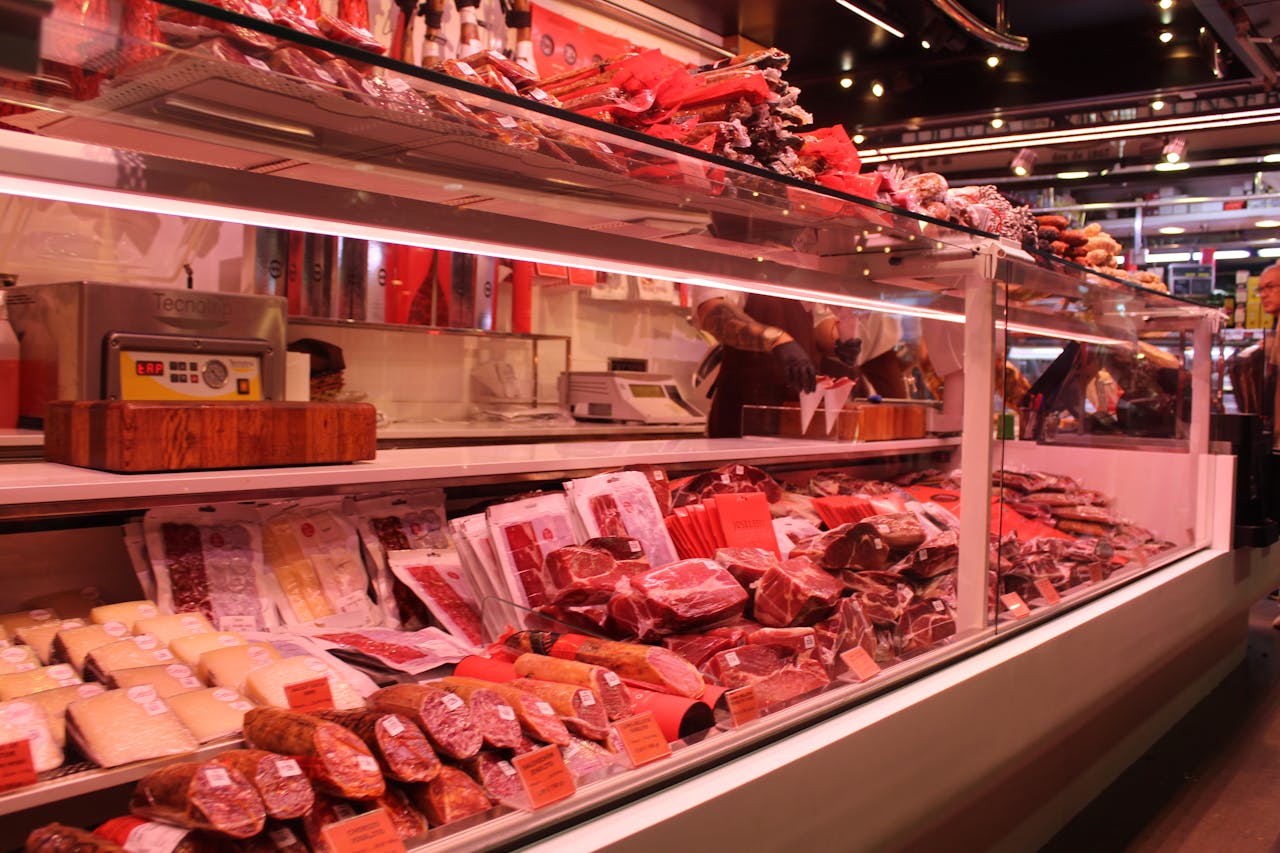
Why Meat Prices Are Rising and Effect on Diet
Meat prices fluctuate due to a combination of supply chain pressures, labor costs, transportation expenses, and inflation. In recent years, disruptions in meat processing, higher feed costs, and increased operating expenses have all contributed to higher retail prices. While these factors may be invisible to shoppers, the impact is felt immediately at the checkout counter. When meat becomes more expensive, many people reduce their intake or switch to cheaper cuts that may be higher in fat or sodium. Others rely more heavily on processed meats because they appear affordable upfront. These shifts can subtly change the nutritional balance of meals, often increasing saturated fat and reducing overall diet quality. Protein is essential for muscle maintenance, immune health, and blood sugar balance. When access to quality protein becomes limited by price, people may experience fatigue, reduced satiety after meals, and increased cravings for refined carbohydrates. Over time, this pattern can affect weight management and metabolic health. Rising meat prices can also discourage home cooking. When ingredients feel too expensive, families may turn to fast food or ready made meals, which are often high in sodium, unhealthy fats, and preservatives. While these options may seem convenient and affordable, frequent reliance on them can undermine long term health.Financial Stress and Its Impact on Mental Wellbeing
The stress of managing rising grocery costs is often underestimated. Constantly calculating prices, comparing brands, and worrying about whether food will last until the next paycheck creates a persistent mental burden. This form of stress can accumulate quietly, affecting mood, sleep quality, and emotional resilience. Financial stress activates the body’s stress response, increasing cortisol levels. Elevated cortisol over time is linked to weight gain, blood sugar imbalances, digestive discomfort, and weakened immune function. In this way, the pressure of high food prices can directly influence physical health. Parents and caregivers may feel additional emotional strain when they struggle to provide balanced meals. Feelings of guilt, frustration, and anxiety can arise, especially when children notice changes in food quality or variety. These emotional pressures can affect family relationships and overall household harmony.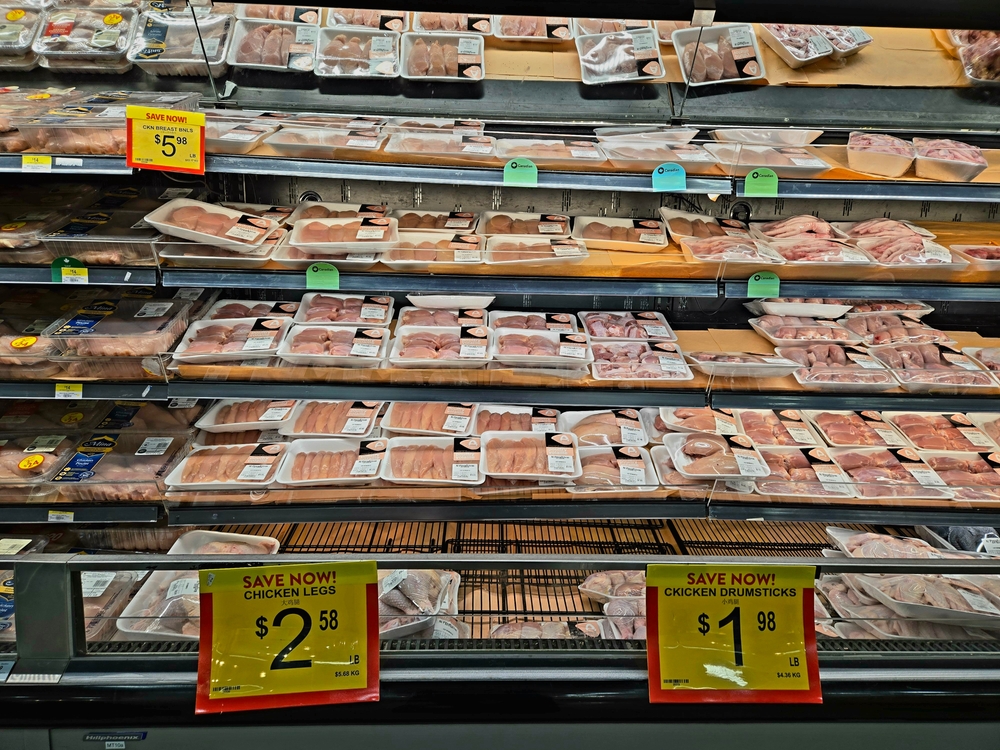
How Rising Meat Prices Change Eating Habits
When meat prices rise sharply, people naturally adapt their eating habits. Some households stretch meat across multiple meals, using smaller portions combined with grains or vegetables. Others replace meat entirely with lower cost alternatives, not all of which provide the same nutritional value.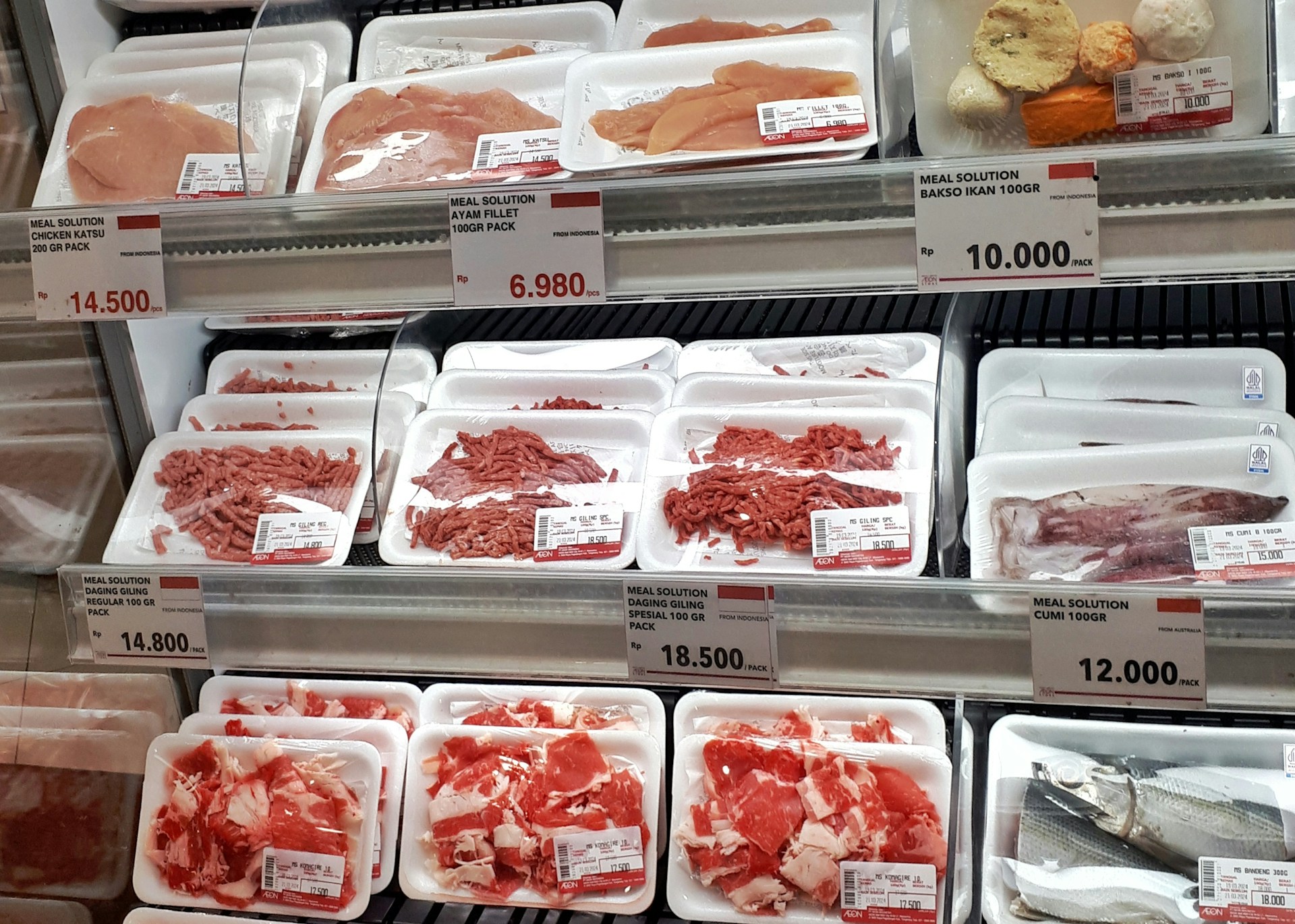
Practical Ways to Protect Your Health on a Tight Grocery Budget
Eating well does not require expensive cuts of meat. With planning and flexibility, it is possible to maintain a nutritious diet even as prices rise. Simple strategies can make a meaningful difference. Planning meals ahead of time helps reduce impulse purchases and food waste. Choosing recipes that use overlapping ingredients allows you to stretch your budget while maintaining variety. Buying whole chickens or larger cuts of meat and dividing them into portions can also reduce cost per meal. Plant based proteins such as lentils, beans, eggs, and yogurt offer affordable nutrition. These foods provide protein, fiber, and essential vitamins that support energy and digestion. Frozen vegetables and fruits are another cost effective option, often retaining nutritional value while costing less than fresh produce. Cooking at home remains one of the most powerful tools for protecting health. Home cooked meals allow control over ingredients and portion sizes. Even simple meals prepared regularly can reduce reliance on processed foods and support better overall nutrition. Mindful shopping habits also matter. Comparing unit prices, shopping seasonal produce, and avoiding shopping while hungry can all help reduce grocery bills. These small choices add up over time, easing financial stress while supporting healthier eating patterns.Community Awareness and Long Term Health Implications
The public reaction to high meat prices reflects broader concerns about food affordability and access. When nutritious food becomes difficult to afford, it affects not only individual health but also community wellbeing. Diet related conditions place strain on healthcare systems and reduce overall quality of life. Community initiatives such as farmers markets, food co ops, and local food programs can help improve access to affordable, nutritious options. Education around cooking, budgeting, and balanced eating is equally important, empowering people to make informed choices within their means. Long term health is shaped by daily habits. When economic pressures force repeated compromises, the cumulative effect can increase the risk of chronic illness. Recognizing food affordability as a health issue allows for more compassionate conversations and solutions. Supporting policies and programs that make healthy food accessible benefits everyone. Affordable nutrition helps build healthier families, stronger communities, and a more resilient population.
A Health Focused Takeaway
The outrage over so called criminal meat prices is understandable, but the deeper concern lies in how these costs influence health decisions. Rising grocery prices affect what people eat, how they feel, and how they manage stress. By understanding these connections, you can take proactive steps to protect your wellbeing. Focusing on flexible meal planning, affordable nutrient sources, and mindful shopping habits can help maintain balance during challenging economic times. Health is not determined by perfection but by consistent, thoughtful choices made within real world constraints.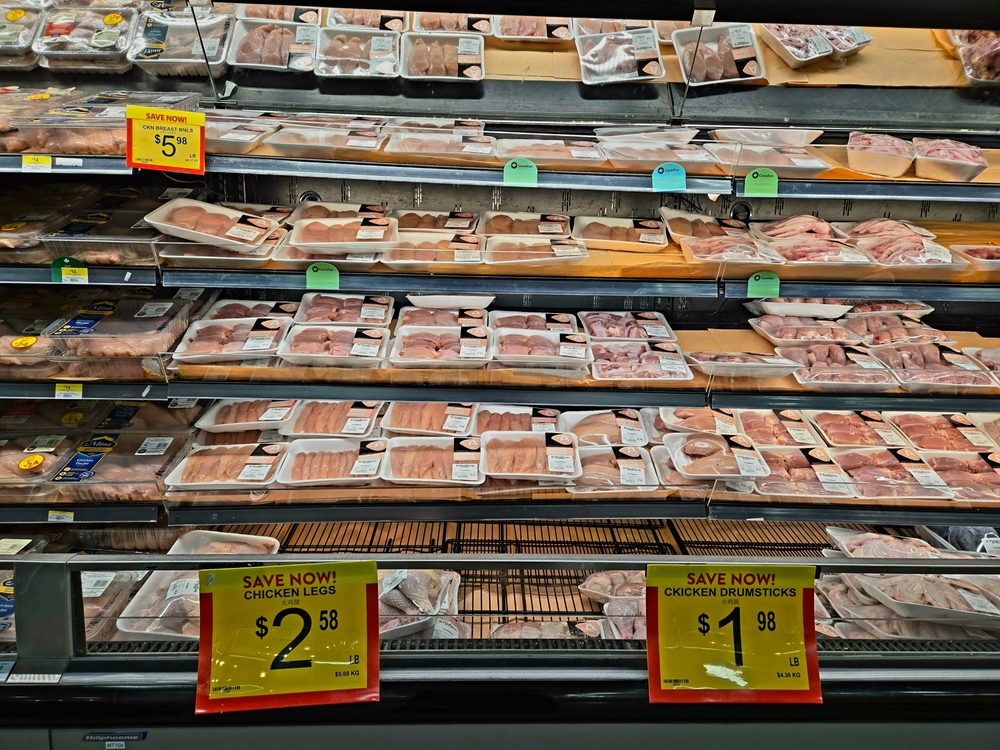
Some of the links I post on this site are affiliate links. If you go through them to make a purchase, I will earn a small commission (at no additional cost to you). However, note that I’m recommending these products because of their quality and that I have good experience using them, not because of the commission to be made.


 JOIN OVER
Comments