The sudden death of a second Alabama teenager from flu complications in just one week challenges the common assumption that influenza is merely a minor seasonal nuisance. This year’s virus is proving to be particularly aggressive, fueled by a mutated “super flu” variant that is sending hospitalizations skyrocketing and striking down even healthy, active young people. With doctors warning that we have yet to reach the peak of this surge, recognizing the unique severity of this season is critical for keeping your family safe.
Alabama is mourning the loss of a second child to flu complications in just one week. Noah “Smo” Smothers, a 14-year-old freshman at Ider High School in DeKalb County, passed away on Monday, December 29, 2025, while receiving treatment at TC Thompson Children’s Hospital. This heartbreaking news follows the recent death of an 11-year-old child in Hueytown, signaling a severe turn in this year’s flu season.
Noah was a beloved member of his community, described by officials at New Home Baptist Church in Pisgah as a “kind young man” and an active youth member. His school community is reeling from the loss. Ider High School released a statement honoring him: “Noah ‘Smo’ Smothers was an Ider Hornet through and through, exemplifying strength of character and a bright young mind. He was a friend to many and will be missed dearly by all who knew him at our little school.”
Before high school, Noah attended Henagar Junior High, where he graduated in May 2025. Faculty there remembered him fondly, noting his “special way of making everyone laugh and smile.” They described him as mischievous but incredibly kind, leaving behind a “legacy of laughter, kindness, and fun.”
These consecutive tragedies underscore the reality that influenza is not just a minor inconvenience. It is a serious virus with the potential for fatal complications, even in young people. Dr. Wes Stubblefield from the Alabama Department of Public Health emphasized that while the flu often hits those with underlying conditions hardest, that is not a hard rule. “Flu is responsible for deaths every year in the United States, both peds and adults,” Stubblefield warned. “Some of these people are healthy.”
A Nationwide Surge and the “Super Flu” Variant
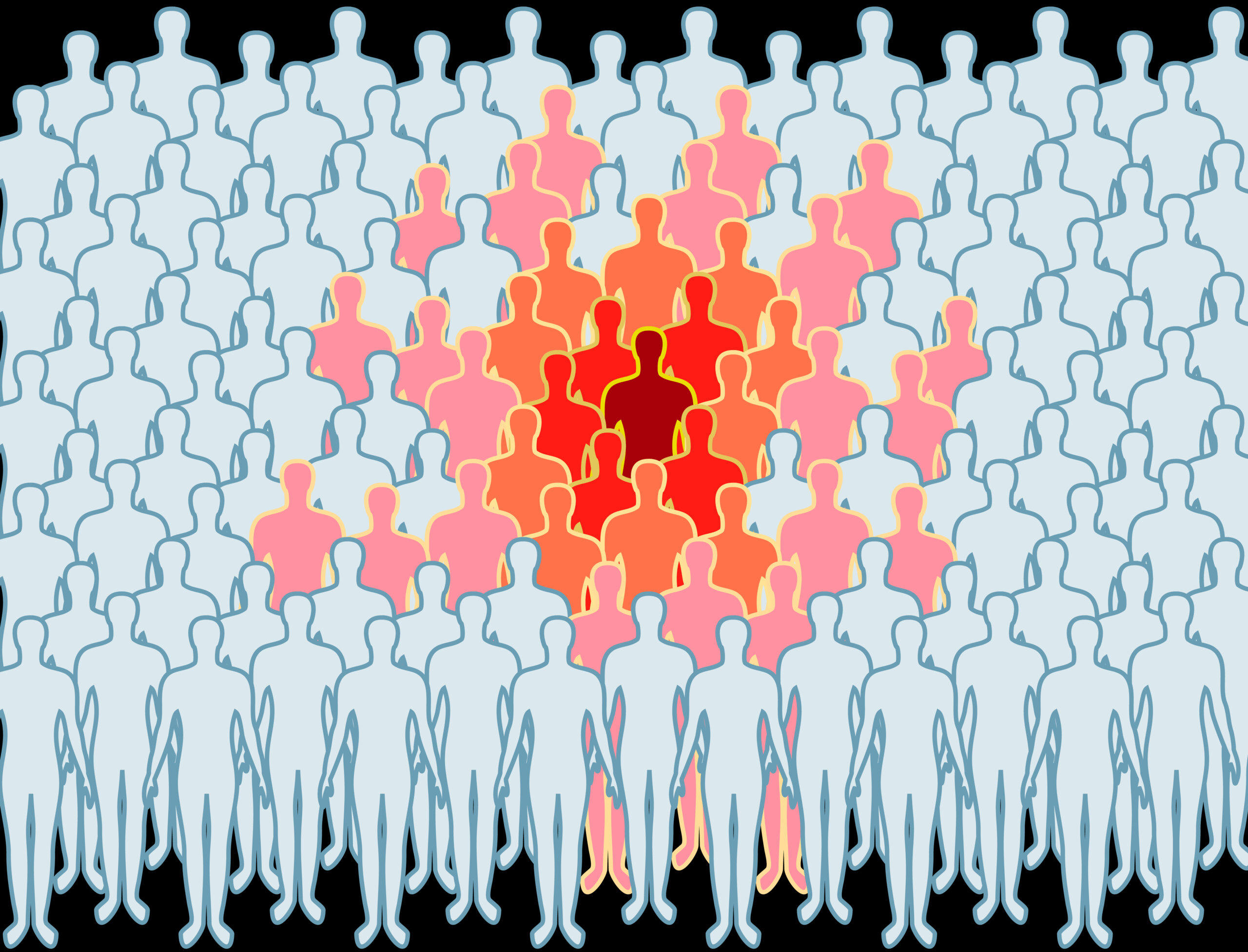
The heartbreaking situation in Alabama reflects a rapid and alarming escalation of flu cases across the entire country. We are not just seeing a standard seasonal rise; we are witnessing a surge that experts warn is nowhere near its peak. According to recent CDC data, flu activity has reached “high” or “very high” levels in 32 states, up from just 17 the week prior. Hard-hit states now include New York, South Carolina, Colorado, and California.
The numbers paint a stark picture of the severity. Hospitalizations nearly doubled in a single week, jumping from roughly 9,900 to over 19,000. Sadly, the national number of pediatric deaths has also risen.
Driving this intense spike is a specific strain of Influenza A (H3N2), a mutated version known as “subclade K.” Because of its aggressive spread, some have nicknamed this variant the “super flu.” The mutation involves changes to a key surface protein on the virus, making it harder for the human immune system to recognize and defend against it.
Doctors are seeing this impact on the ground. Dr. Daniel Kuritzkes, a senior infectious disease physician at Mass General Brigham, highlighted the dangerous trajectory of the virus. “It’s really a pretty sharp increase that we’re seeing, and it’s not anywhere close to peaking or leveling off,” he stated.
Hospitals began feeling the strain early this season. Dr. Jennifer Goebel of South Shore University Hospital noted that they began seeing a rush of cases around Thanksgiving. “I don’t remember seeing flu cases this early and in this many numbers,” Goebel said. “It seems worse. Just a tremendous amount of volume.”
Who Is at Risk and What to Watch For
While influenza is often dismissed as a seasonal nuisance, doctors are reporting a shift in who is walking through emergency room doors this year. Historically, infants and the elderly are the primary concerns, and that remains true; children through age 4 and older adults with chronic conditions are being hit hard. However, Dr. Lauren Siewny, medical director of Duke University Hospital Emergency Department, notes that school-aged children and otherwise healthy young adults are also showing up sick in significant numbers.
Dr. Donald Yealy, chief medical officer of the UPMC health system, adds a critical observation: the vast majority of patients requiring hospital admission or advanced care are unvaccinated.
The symptoms of this current H3N2 strain are hitting patients fast and hard. Dr. Molly Fleece from the University of Alabama at Birmingham explains that the illness starts acutely. “People have higher fever, shaking, chills, cough, shortness of breath, and muscle aches,” she said. Unlike the typical cold, these symptoms often arrive abruptly rather than gradually.
In addition to respiratory issues, Dr. Jennifer Goebel reports that patients are experiencing gastrointestinal distress, including nausea, vomiting, and diarrhea, alongside severe fatigue and headaches. For vulnerable populations, these symptoms can escalate quickly into pneumonia, muscle breakdown, or seizures.
Complicating matters further is the presence of other winter viruses. With Covid and RSV also circulating, it is possible to contract more than one virus simultaneously. Dr. Yealy warns that while one virus does not “shun” another, having a respiratory virus can worsen a second condition, making prompt medical attention vital if symptoms escalate.
Taking the Threat Seriously
The tragic loss of a young, active student in Alabama serves as the ultimate wake-up call. It challenges the dangerous misconception that the flu is merely a bad cold or that severe outcomes are reserved solely for the elderly and immunocompromised. As Dr. Wes Stubblefield emphasized, influenza can cause severe organ failure and death in completely healthy people. We cannot predict how the virus will affect a specific individual, and assuming you or your children are safe due to age or fitness is a gamble.
This season is far from over. With the “super flu” variant surging and peak activity likely still weeks away, we must remain vigilant. Community health is a collective effort. Staying home when sick, practicing rigorous hygiene, and keeping up with vaccinations are not just personal choices; they are safeguards for the people around us.
Noah Smothers left behind a legacy of kindness. The most meaningful way to honor that legacy is to take care of our neighbors by taking this virus seriously. Do not wait for a diagnosis to start taking precautions. If you suspect the flu, act fast, isolate, and seek professional guidance.
Some of the links I post on this site are affiliate links. If you go through them to make a purchase, I will earn a small commission (at no additional cost to you). However, note that I’m recommending these products because of their quality and that I have good experience using them, not because of the commission to be made.






 JOIN OVER
Comments