
Your Lungs Might Recover from Vaping Within Months or Stay Permanently Damaged
Last updated on
A teenager vaped in secret for three years. When she finally sought medical help, doctors delivered devastating news about a condition caused by workers at a microwave popcorn factory. Her lungs bore scars that would never heal. Stories like hers raise urgent questions about what happens inside your lungs when you vape, and whether the damage can be reversed. While some injuries heal within months of quitting, others cross into permanent territory. Understanding where that line exists could mean the difference between full recovery and lifelong consequences.What Actually Happens When You Inhale Vape Chemicals
Your digestive system acts as a sophisticated filter. When you eat something, it travels through your stomach and liver before entering your bloodstream. That journey reduces potential harm from chemicals that might otherwise prove dangerous. Inhaling bypasses this entire protection system. Vape chemicals enter your lungs and shoot straight into your bloodstream within seconds, reaching your heart and brain before your body has any chance to process them. Over 2,000 chemicals exist in most vapes, according to research from Johns Hopkins University, and many remain unidentified. Eating butter-flavored popcorn poses no health risk. Breathing in the buttery chemical that creates that flavor proved devastating to factory workers in the early 2000s. Vaping presents an even murkier situation because heating these chemicals creates entirely new compounds that have never been tested for inhalation safety.Meet Popcorn Lung and Other Irreversible Conditions
EVALI Can Strike Fast and Hard
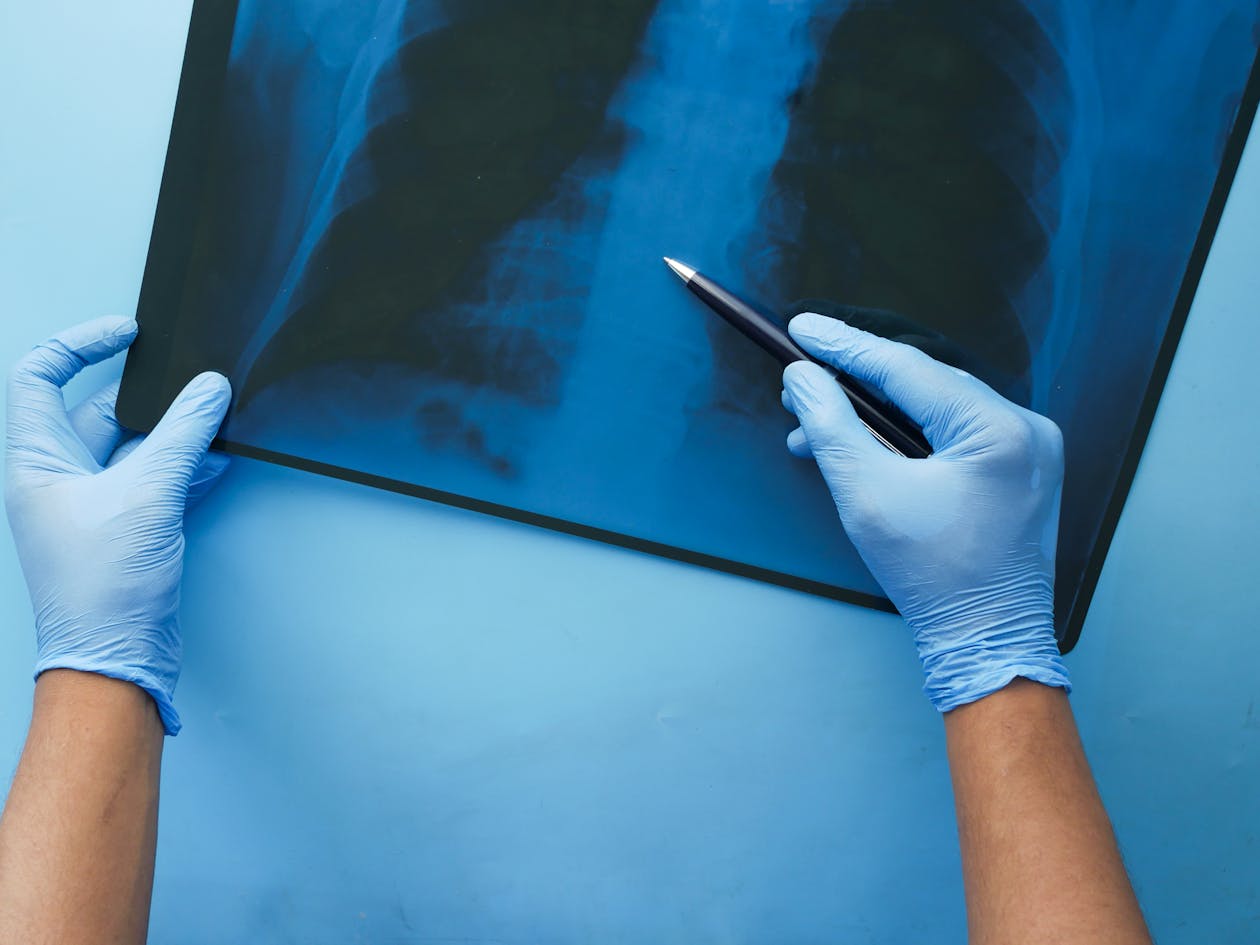
E-cigarette or Vaping-Associated Lung Injury (EVALI) represents another serious threat. Unlike popcorn lung, which develops over extended exposure, EVALI can strike within days or months of vaping. Symptoms include shortness of breath, pain when breathing, and a persistent cough. Severe cases see blood oxygen levels drop to dangerous lows. In rare instances, EVALI proves fatal. In 2019, an outbreak linked to vitamin E acetate in cannabis vape products caused 68 deaths and over 2,800 hospitalizations across the United States. When heated, vitamin E acetate produces ketene, a highly toxic gas. While that specific outbreak has subsided, doctors still see occasional EVALI cases in clinics and hospitals. People can develop EVALI from nicotine-only vapes as well. Frequent users face a higher risk, though researchers still don’t know exactly what triggers the injury in every case. Dr. Andrew Freeman, associate professor in pulmonary medicine at the University of Utah Health, notes variability between individuals in terms of susceptibility. Acute respiratory distress syndrome, one severe form of EVALI, involves widespread inflammation and fluid buildup that causes major lung damage over days to weeks.Your Lungs Start Healing in 24 Hours
Blood Flow and Nitric Oxide Bounce Back
Recovery extends beyond your lungs. Nicotine decreases blood flow to and from the heart, impacts cortisol production, and hampers blood vessel function. Quitting allows these systems to normalize. Nitric oxide production increases after you stop vaping. Your body uses nitric oxide to relax blood vessels and improve blood flow while supplying oxygen to tissues. Better nitric oxide levels link to improved cardiac health, reduced muscle soreness, better performance during exercise, lower blood pressure, and improved respiratory response. Blood vessel function improves as inflammation decreases throughout your body. Better circulation supports lung healing and overall health recovery.Years Later Brings Major Disease Risk Reduction

When Damage Crosses Into Permanent Territory
Recovery potential depends on several factors. Severity of dependence, amount and duration of vaping, pre-existing conditions, and genetics all influence whether lungs can heal or whether damage becomes permanent. Popcorn lung offers no path to recovery. Once bronchioles are scarred from chemical exposure, that damage remains for life. Severe EVALI can cause lasting scarring as well. Dr. Freeman warns about long-term consequences. “Our lungs are not a good organ to absorb substances for recreational use. They are an incredible organ, providing our bodies with vital oxygen and exchanging carbon dioxide, all while protecting us from infections and other harmful elements from our environment.” He continues, “We all begin to slowly lose lung function after about our early to mid-20s, and yet they must last us a lifetime. If people don’t take care of their lungs, they really suffer more difficulties breathing later in life due to habits such as vaping.” Continuing to vape after an EVALI diagnosis may cause permanent scarring. Vaping can also lower lung function measurements over time.Young Vapers Face Collapsed Lung Risk
Flavored Vapes Pack Extra Danger
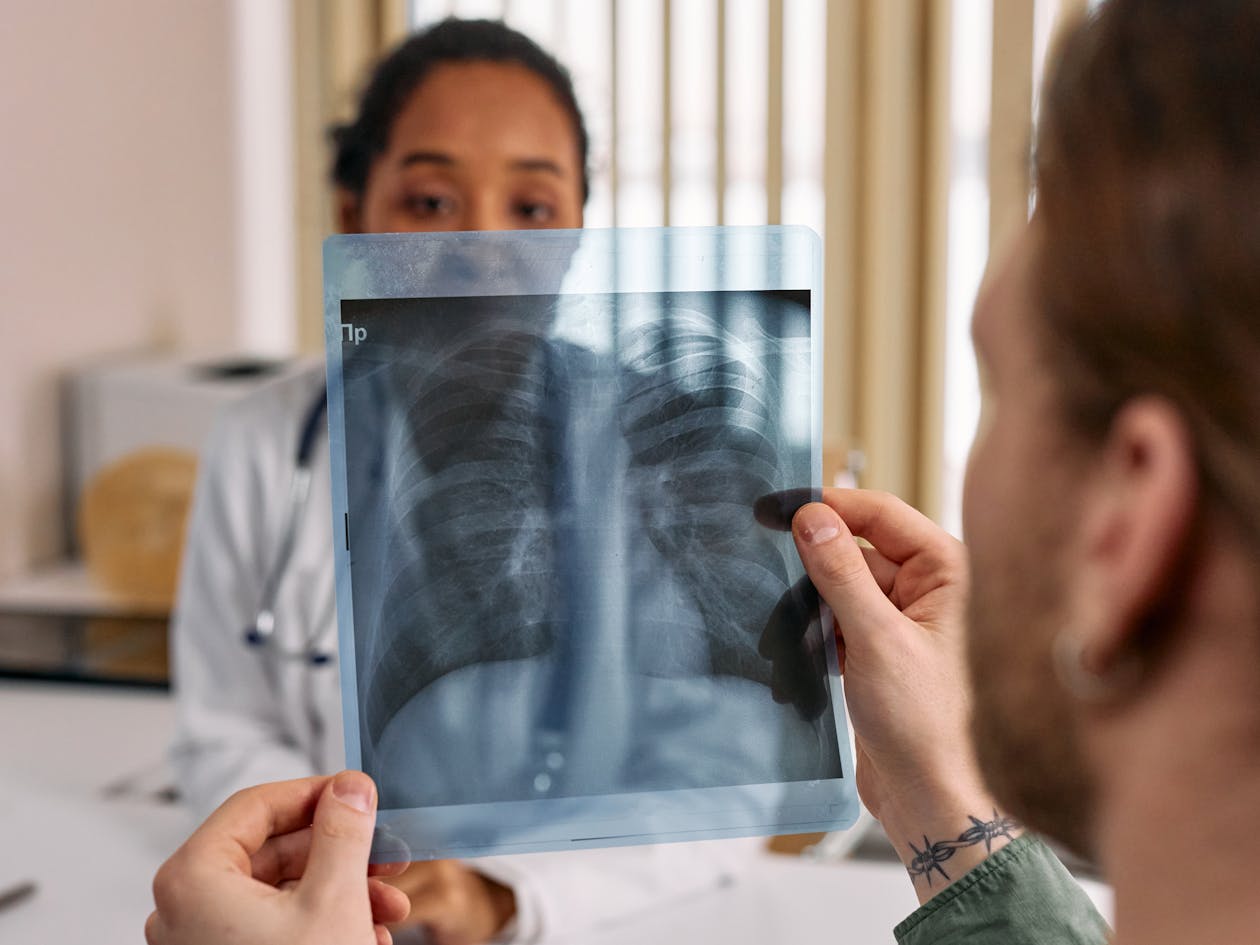
Vaping exploded in popularity among teenagers and young adults partly due to thousands of flavored products available, from bubblegum to cotton candy to mango ice. Fruity, candy-like flavors come with a chemical cost. Many flavoring agents are approved for use in food. That approval means nothing when it comes to inhaling those same chemicals. Some flavorings kill cells or prevent them from growing. Some vapors contain unhealthy levels of toxic metals, including lead and arsenic. Certain brands or flavors contain acrolein, a herbicide used to kill weeds. Consistently inhaling this toxic chemical through vaping leads to lung damage that may develop into asthma or lung cancer. A multi-national study found adolescents who vape report more respiratory symptoms than non-vapers, even when researchers adjusted for smoking status. Certain flavor types, nicotine salts, and frequency of use are all linked to these symptoms.Warning Signs Your Lungs Need Help Now
Bottom Line on Recovery Potential
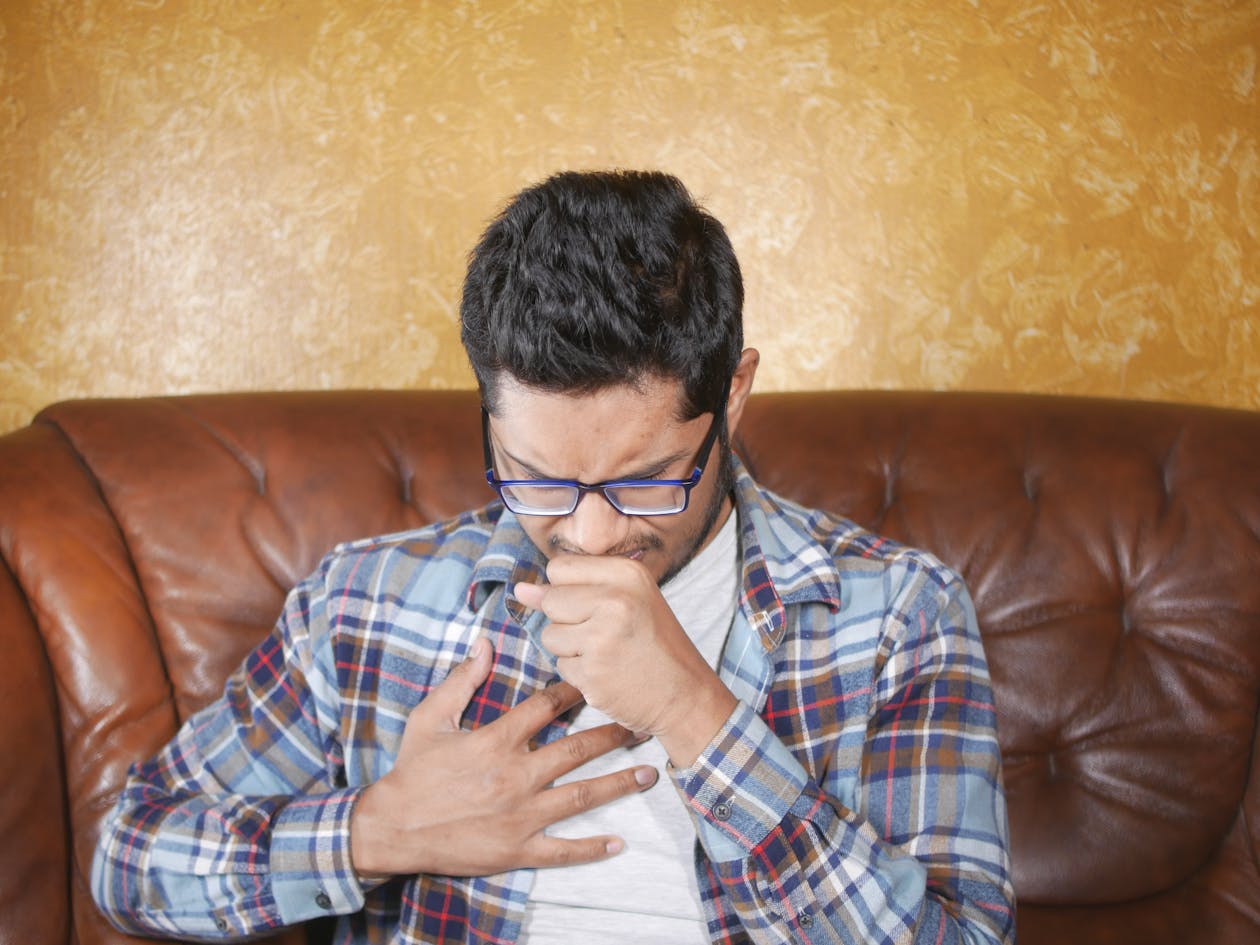
Lung healing timelines vary from person to person. No specific medical treatments accelerate the process. Johns Hopkins University research indicates subjects should simply abstain from vaping and smoking to allow lungs to regenerate and repair cells naturally. Variables affecting recovery include how much someone vaped, which brands they used, their physical health history, and any pre-existing conditions. Because modern e-cigarettes only gained popularity about two decades ago, their full long-term health consequences remain unknown. While vaping is marketed as a healthier alternative to smoking, studies show conflicting data about whether it truly qualifies as safer. E-cigarettes often contain higher nicotine content than traditional cigarettes, which can intensify addiction. Some research demonstrates that vaping causes similar adverse effects on cardiovascular and lung health as cigarettes do.Some of the links I post on this site are affiliate links. If you go through them to make a purchase, I will earn a small commission (at no additional cost to you). However, note that I’m recommending these products because of their quality and that I have good experience using them, not because of the commission to be made.


 JOIN OVER
Comments