
Why the Human Brain Falters After Midnight, According to Neuroscientists
Last updated on
When the world is fast asleep and your bedroom is wrapped in darkness, it’s easy to feel like you’re the only one awake. Thoughts that seemed small in daylight can suddenly loom large. Cravings emerge for salty snacks, cigarettes, or a bit of social media doom-scrolling, and self-control seems to fade into the shadows. It turns out there’s a scientific reason for that. Recent research suggests that the human brain might not be built to function optimally after midnight. The findings shed light on how our mental, emotional, and behavioral patterns shift in the late hours, and why staying up too long can make the night feel like an emotional minefield. Scientists are beginning to understand that wakefulness after midnight isn’t simply a matter of fatigue, but a shift in how our brains process information and emotion.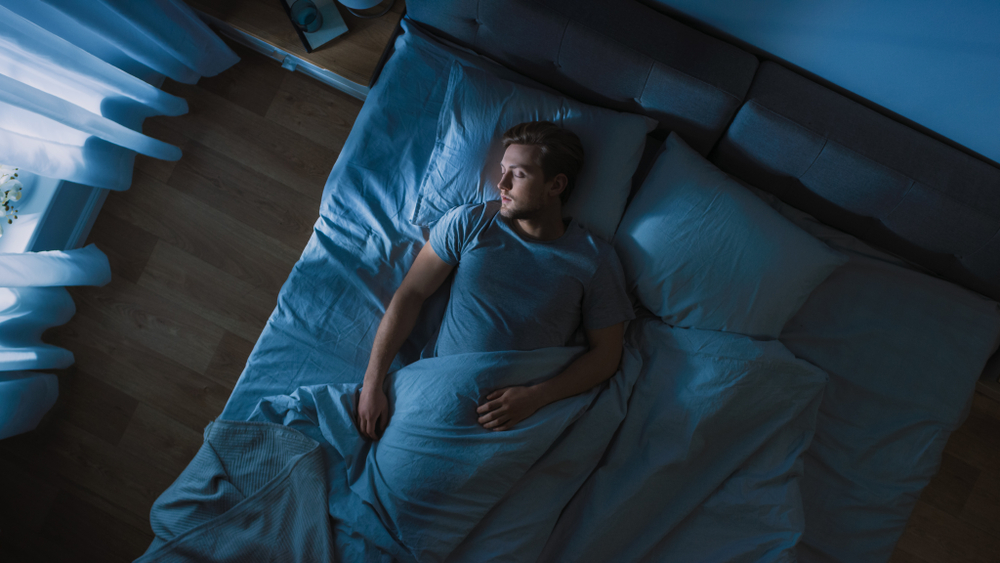
The ‘Mind After Midnight’ Hypothesis
In 2022, a team of researchers led by neurologist Dr. Elizabeth Klerman from Harvard University proposed what they call the Mind After Midnight hypothesis. Published in Frontiers in Network Psychology, the paper compiles decades of evidence showing that our cognitive and emotional systems undergo fundamental changes after dark. The researchers argue that these shifts are not just mild fluctuations, but deep changes in how we perceive reward, risk, and emotion. Their premise is simple but profound. The human brain evolved for daytime activity and nighttime rest. Our internal biological clock, known as the circadian rhythm, follows a 24-hour cycle that influences everything from hormone release to mood and metabolism. When we disrupt this natural rhythm by staying awake at times when the body expects sleep, the brain begins to operate in a state it wasn’t designed for. The result is a kind of temporary cognitive distortion, where logic weakens, emotions sharpen, and impulse control falters. Klerman explained, “There are millions of people who are awake in the middle of the night, and there’s fairly good evidence that their brain is not functioning as well as it does during the day.” She has called for deeper research into how this affects mental health and decision-making, particularly for those who work night shifts or experience chronic insomnia.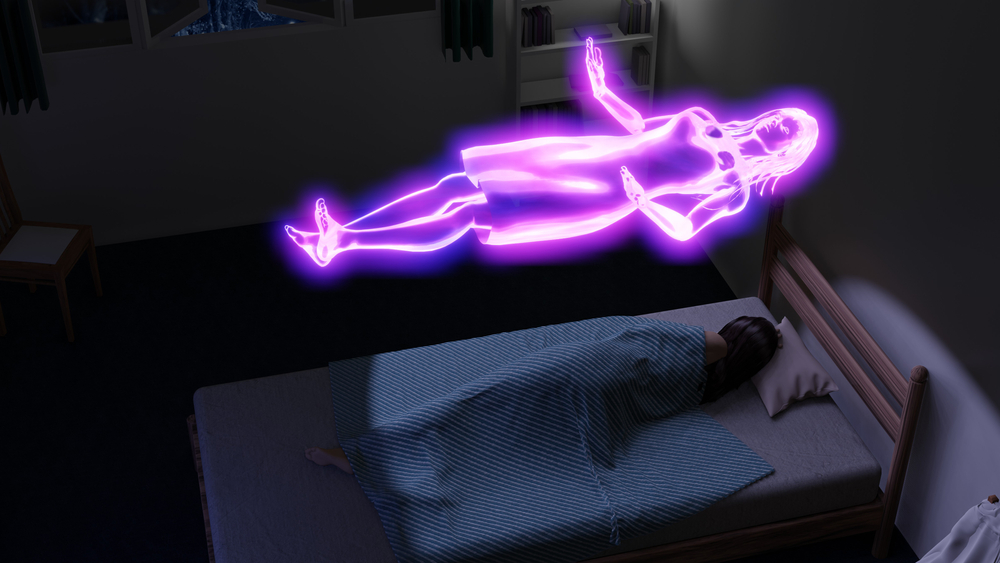
Evolution’s Imprint on Nighttime Behavior
To understand why the brain behaves differently after midnight, we have to travel back thousands of years to a time before electricity or alarm clocks. Early humans were diurnal creatures who hunted and gathered during the day and sought safety at night. The darkness of night brought danger as predators lurked unseen, so our ancestors evolved to be more alert and cautious when the sun went down. Over time, this evolutionary programming shaped our neurobiology. At night, heightened sensitivity to negative stimuli helped our ancestors remain alert to potential threats. In modern life, that same instinct might manifest as anxiety, rumination, or overreaction to stress. Essentially, our brain’s ancient defense system still flips on even when there is no predator to flee from. What once helped us avoid danger now leaves us stewing over late-night worries or making impulsive choices that daylight logic would quickly dismiss. The irony is that this heightened vigilance no longer serves the same purpose. Instead of protecting us, it can turn inward, magnifying our fears and insecurities. The quiet of night becomes an amplifier for everything unresolved in the mind.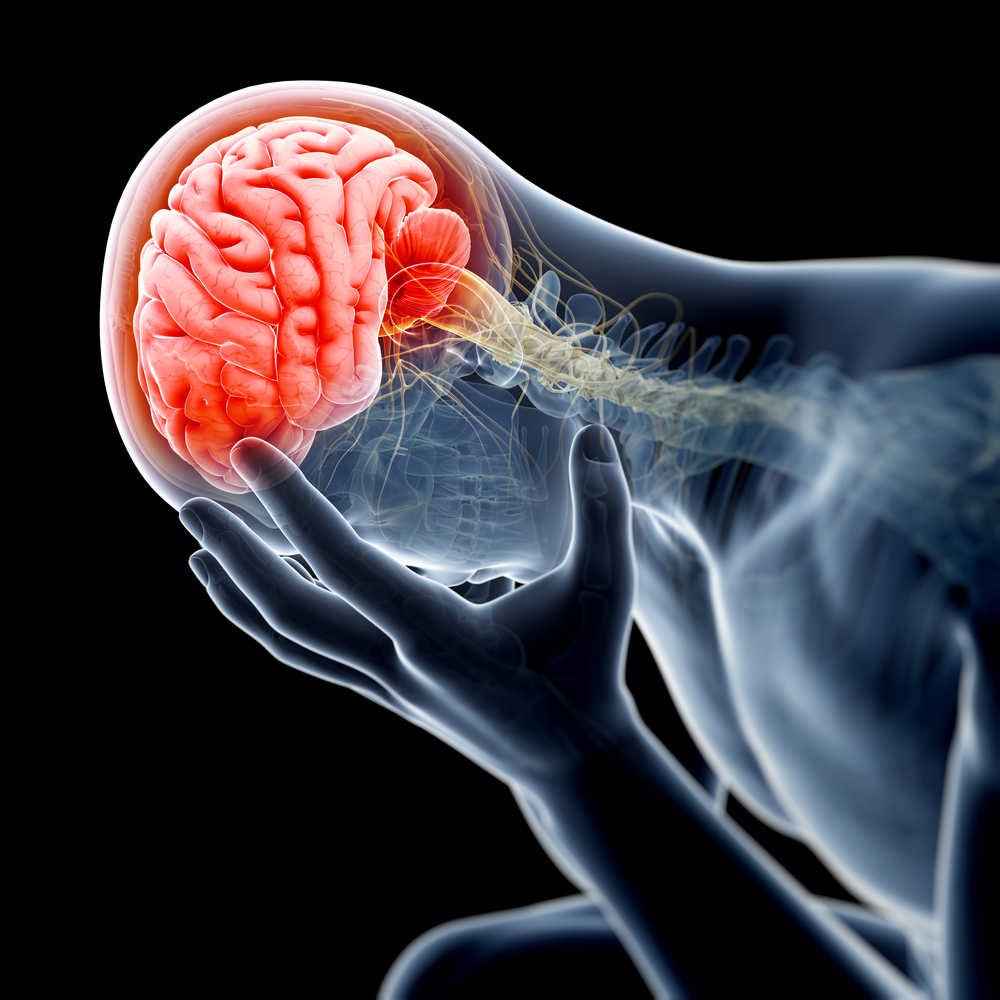
Why Late-Night Wakefulness Warps Judgment
The Mind After Midnight hypothesis suggests that when we stay awake into the early hours, the brain’s reward and motivation systems become misaligned. Neurotransmitters such as dopamine, which regulate pleasure and reward, can fluctuate out of sync with their usual patterns. This misalignment may explain why people are more likely to engage in risky or self-destructive behavior at night. Research has shown that impulse control decreases during nocturnal wakefulness, leading to higher rates of substance misuse, self-harm, and poor decision-making. A 2020 study in Brazil found that opioid overdoses were nearly five times more likely to occur at night. Similarly, data shows that the risk of suicide between midnight and 6:00 a.m. is roughly three times higher than at other times. Whether it’s sending a regretful message, binge-eating, or making impulsive purchases online, the nighttime hours tend to favor emotional over rational thinking. Lack of sleep only amplifies these tendencies. Sleep deprivation impairs the prefrontal cortex, the part of the brain responsible for decision-making and self-regulation. Without proper rest, the brain struggles to evaluate consequences or manage emotions effectively. That combination: emotional intensity and reduced control: is what makes the mind after midnight uniquely vulnerable.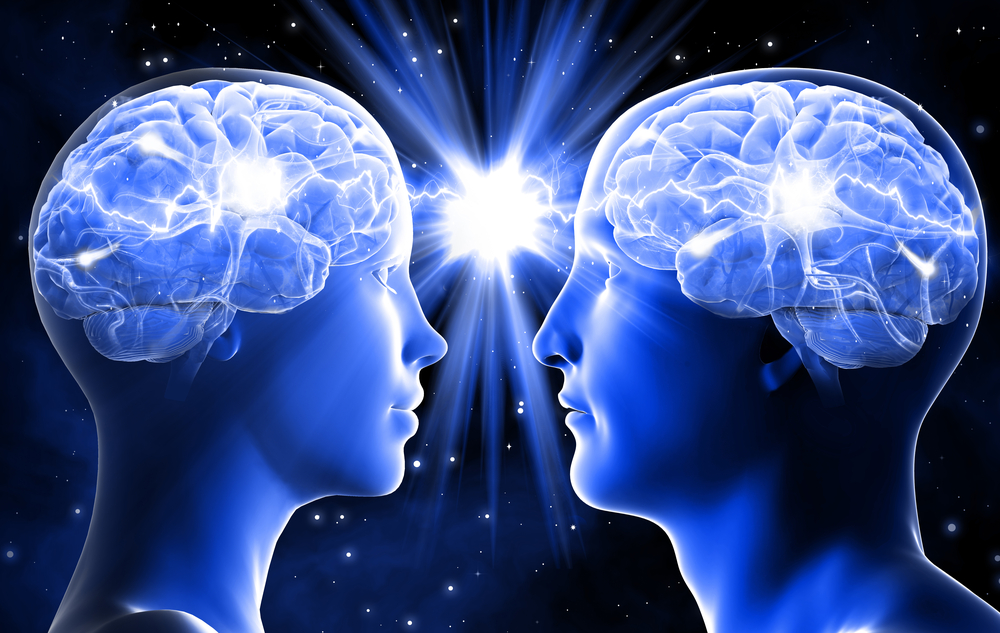
The Hidden Toll on Mental Health and Relationships
The emotional landscape after midnight can feel strangely distorted. Psychologists note that loneliness, hopelessness, and despair often intensify during the late hours, leaving night owls or insomniacs trapped in an echo chamber of their own thoughts. The world feels quieter and more distant, and without the distractions of daily life, unresolved emotions rise to the surface. For those already struggling with mental health conditions like depression or anxiety, this nocturnal vulnerability can be especially dangerous. A college student lying awake might spiral into catastrophic thinking, convinced that problems are unsolvable. A recovering addict might relapse under the weight of nighttime cravings. Even those without diagnosed mental illness can experience feelings of isolation or emotional confusion that seem much less severe in the morning. Relationships can also take a hit. Late-night arguments or text conversations often escalate quickly when emotions are heightened and clarity is clouded. Decisions made during these hours are more likely to be reactive than reflective, and misunderstandings can linger long after sunrise.
Shift Workers: The Unsung Case Study
The hypothesis raises particular concern for shift workers such as doctors, pilots, nurses, and security staff, whose schedules force them to stay alert during biologically unnatural hours. Society depends on their nocturnal vigilance, but the toll on their health is often overlooked. Studies have linked long-term night shift work to higher risks of cardiovascular disease, metabolic disorders, and mood disturbances. The mismatch between biological night and required alertness leads to chronic circadian misalignment that the body struggles to adapt to. Despite this, as Klerman pointed out, there is still little research on how shift workers’ brains adapt to long-term nighttime wakefulness. Understanding how their reward systems and decision-making abilities are affected could have life-saving implications, not just for their own well-being, but for the safety of those they serve.Practical Ways to Protect Your Mind After Midnight
For those who can’t avoid being awake after dark, small adjustments can help reduce the risks of nighttime cognitive and emotional decline.-
- Stick to a routine: Keeping consistent sleep and wake times helps stabilize the circadian rhythm and strengthens the body’s natural signals for rest.
-
- Limit stimulants: Avoid caffeine, nicotine, and even excessive screen time several hours before bed to prevent artificial alertness that confuses your internal clock.
-
- Control light exposure: Bright light in the evening can delay melatonin production, while dim, warm lighting encourages sleep readiness and relaxation.
-
- Practice grounding techniques: Breathing exercises, light stretching, or journaling can help quiet racing thoughts and reduce impulsive behavior.
-
- Avoid big decisions: If something feels urgent in the middle of the night, write it down and revisit it after sunrise. Daylight almost always brings better judgment.
Reflecting on the Mystery of the Midnight Mind
For all our technological progress, the human brain still dances to ancient rhythms written in starlight and shadow. The Mind After Midnight hypothesis reminds us that rest is not just a luxury but a biological necessity. Nighttime amplifies both our fears and our desires, but it also grants us the chance to restore balance. Understanding how our minds shift after dark is a reminder to treat those late-night thoughts with caution and compassion. As science continues to unravel what happens in the sleepless hours, one truth remains clear: the night may whisper strange thoughts, but the morning always brings a different perspective. Protecting that cycle of rest, renewal, and daylight clarity may be one of the simplest yet most powerful ways to safeguard our mental health.Some of the links I post on this site are affiliate links. If you go through them to make a purchase, I will earn a small commission (at no additional cost to you). However, note that I’m recommending these products because of their quality and that I have good experience using them, not because of the commission to be made.


 JOIN OVER
Comments