
Research Suggests a Popular Sweetener May Affect Brain Health
Last updated on
Sugar substitutes are often marketed as a smarter choice for weight control and blood sugar balance. You see them in protein bars, diet drinks, keto snacks, and even products labeled as natural. For years, many people believed these alternatives were gentler on the body than regular sugar. Recent research is now raising serious questions about that assumption, especially when it comes to brain health. Several new studies suggest that erythritol, a very common sugar substitute, may interfere with the blood brain barrier. This barrier is one of the brain’s most important defense systems. It helps block toxins, pathogens, and inflammatory compounds from reaching delicate brain tissue. When it becomes compromised, the brain may be more vulnerable to damage over time. The concern is not limited to the brain alone. Researchers are also seeing signs that erythritol may affect blood vessel function and increase stroke risk. These findings are especially relevant for people who regularly consume sugar free or low calorie products. What once seemed like a harmless swap may carry consequences that deserve closer attention. This article explores what the blood brain barrier does, how erythritol may disrupt it, and why a wellness focused approach to sweeteners matters. You will also learn practical ways to reduce risk while still enjoying sweetness in a more natural and supportive way.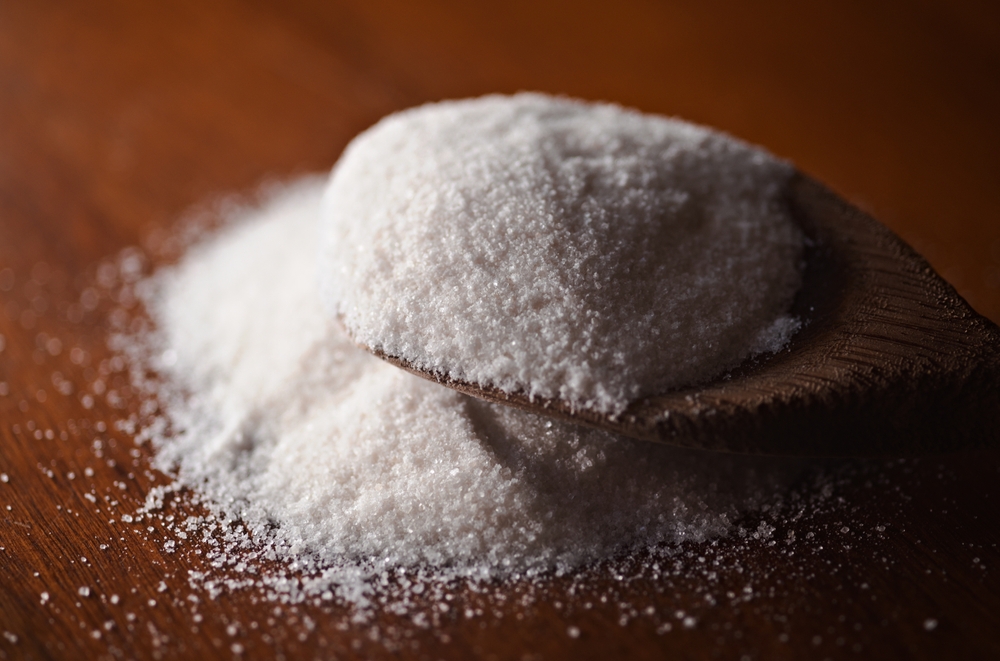
Understanding the Blood Brain Barrier and Why It Matters
The blood brain barrier is a highly selective protective layer that separates the bloodstream from the brain. It is made up of tightly connected cells that regulate what substances are allowed to pass through. Nutrients such as glucose and amino acids are carefully transported in, while harmful compounds are kept out. This system is essential for maintaining brain stability and function. When the blood brain barrier is healthy, it protects neurons from inflammation and oxidative stress. It also helps regulate immune responses inside the brain. A weakened barrier can allow unwanted substances to cross into brain tissue, which may trigger inflammation and cellular damage. Over time, this process has been linked to cognitive decline and neurological conditions. Scientists have long known that chronic inflammation, poor vascular health, and metabolic stress can impair the blood brain barrier. What is newer is the idea that certain dietary compounds may also influence its integrity. This is where erythritol enters the conversation. Because the brain relies on precise chemical balance, even small disruptions to its protective systems can have outsized effects. This makes any food ingredient that alters blood vessel or barrier function worth examining through a health and wellness lens.What Is Erythritol and Why Is It Everywhere
Erythritol is a sugar alcohol that occurs naturally in small amounts in some fruits. In processed foods, it is usually produced through fermentation. It has become popular because it tastes similar to sugar but contains very few calories and does not raise blood glucose levels significantly. You will often find erythritol in sugar free gum, baked goods, flavored waters, and low carb snacks. It is also a staple in keto and diabetic friendly products. Many people consume it daily without realizing how frequently it appears in packaged foods. Part of erythritol’s appeal is that it was once thought to pass through the body without much interaction. Unlike some other sugar alcohols, it does not usually cause digestive discomfort. This helped it gain a reputation as a safe and gentle sweetener. However, newer research suggests that erythritol does not simply move through the body unnoticed. Instead, it may interact with blood vessels and brain cells in ways that could affect long term health.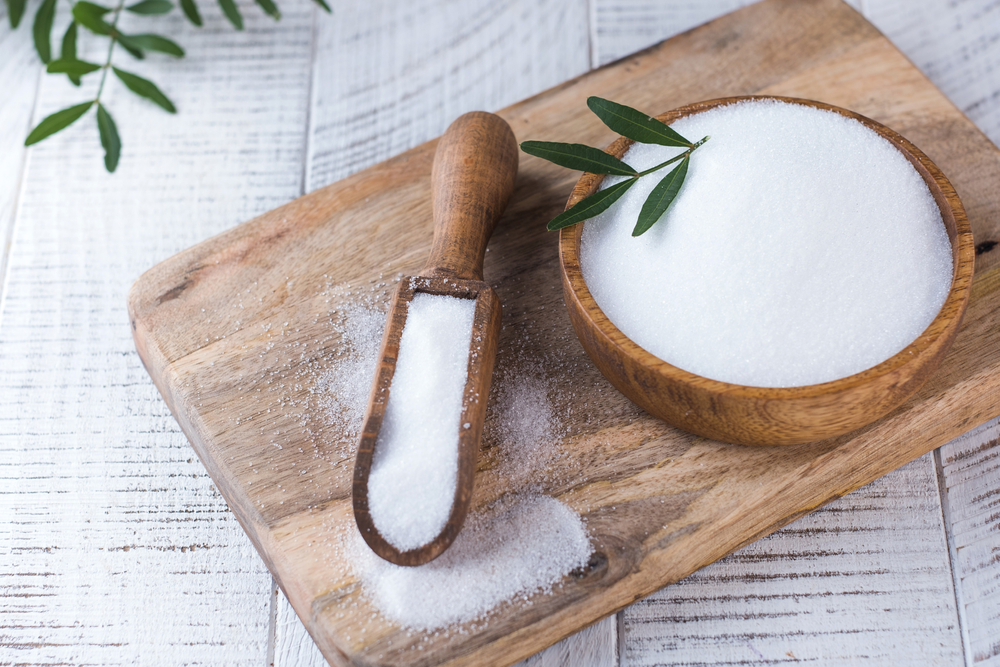
What Recent Studies Are Revealing About Brain Effects
Recent laboratory and clinical studies have examined how erythritol affects cells that line blood vessels in the brain. Researchers observed that exposure to erythritol impaired the function of these cells. This impairment made the barrier more permeable, meaning it was less effective at blocking harmful substances. Some studies also found that erythritol increased oxidative stress within brain endothelial cells. Oxidative stress occurs when free radicals overwhelm the body’s antioxidant defenses. In the brain, this can damage cells and interfere with normal signaling. Another concerning finding involved nitric oxide, a molecule that helps blood vessels relax and maintain healthy blood flow. Erythritol appeared to reduce nitric oxide availability, which may impair circulation in the brain. Poor blood flow is a known risk factor for stroke and cognitive issues. While much of this research is still emerging, the consistency of these findings across different studies has raised alarms. The results suggest that erythritol may not be neutral when it comes to brain protection, especially with frequent consumption.Stroke Risk and Vascular Health Concerns
Beyond the blood brain barrier, researchers are also investigating erythritol’s effects on overall vascular health. Blood vessels throughout the body share similar cellular structures. When those cells are stressed or damaged, circulation suffers. Some studies have linked higher blood levels of erythritol with increased risk of cardiovascular events. This includes a greater likelihood of blood clot formation. Clots can block blood flow to the brain and lead to stroke. The concern is not that a single serving will cause harm. Rather, regular exposure over time may increase vulnerability, especially in people who already have risk factors like high blood pressure or metabolic issues. Many of these individuals turn to sugar substitutes precisely because they believe them to be safer. From a wellness perspective, this raises an important question. If a product designed to reduce sugar related harm introduces new risks, it may be time to rethink how sweetness fits into a healthy lifestyle.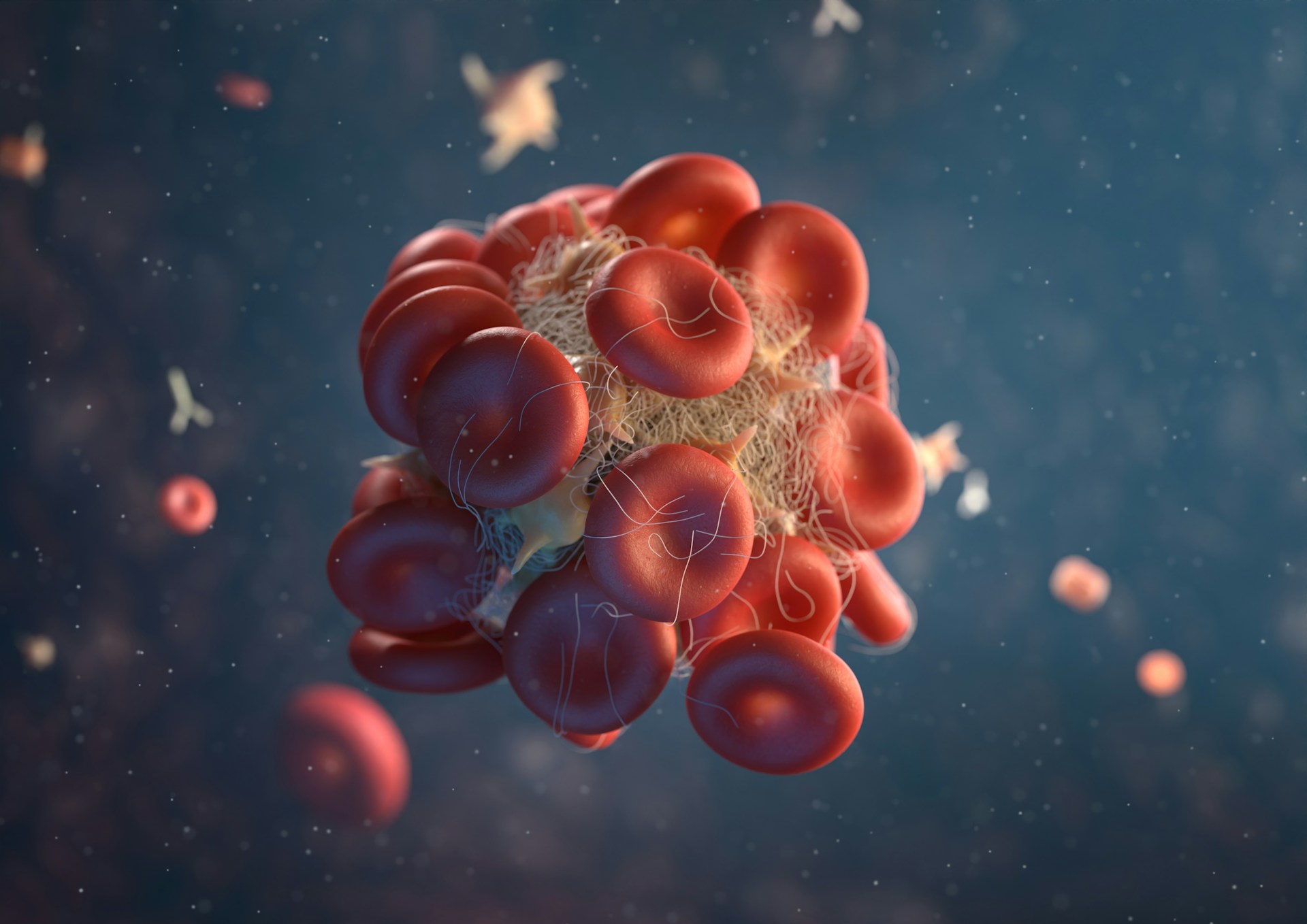
Why This Matters for Everyday Wellness Choices
Health and wellness are about more than avoiding sugar spikes. They involve supporting the body’s natural protective systems, including the brain and blood vessels. When choosing foods, it is easy to focus on calorie counts and overlook how ingredients affect cellular health. Many people consume erythritol unknowingly through multiple products each day. A protein bar in the morning, a flavored drink at lunch, and a sugar free dessert at night can add up. This cumulative exposure may matter more than occasional use. Wellness also emphasizes prevention. Protecting brain health early can help reduce the risk of cognitive decline later in life. Since the blood brain barrier becomes more vulnerable with age, dietary choices that stress it may have greater impact over time. This does not mean fear or panic is helpful. Instead, awareness empowers you to make informed choices and explore alternatives that align with long term health rather than short term trends.Natural Ways to Sweeten Without Compromising Brain Health
Nature offers several options for adding sweetness without relying on heavily processed substitutes. Raw honey, maple syrup, and dates provide sweetness along with beneficial compounds. These options still contain sugar, but they also offer antioxidants and minerals when used in moderation. Whole fruits are another excellent choice. They contain natural sugars packaged with fiber, which slows absorption and supports gut health. A healthy gut is closely linked to brain health through the gut-brain connection. Spices like cinnamon and vanilla can enhance perceived sweetness without adding sugar. Over time, reducing overall sweetness exposure can retrain your taste buds to enjoy subtler flavors. A wellness oriented approach focuses on balance rather than extremes. Using natural sweeteners occasionally while prioritizing whole foods supports both metabolic and brain health.
A More Thoughtful Relationship With Sweetness
The conversation around erythritol reflects a larger issue in modern nutrition. Quick fixes often replace one problem with another. Removing sugar without considering what replaces it can lead to unintended consequences. Listening to emerging science allows you to adjust habits before problems arise. It also encourages a return to simpler food choices that humans have relied on for generations. Less processing often means fewer surprises for the body. Brain health is influenced by many factors including sleep, stress, movement, and nutrition. Sweeteners may seem small, but they interact with systems that protect cognition and circulation. Paying attention to these details supports overall wellbeing. Choosing foods that nourish rather than merely satisfy cravings is a powerful act of self care. Small daily decisions add up and shape long term health outcomes.Some of the links I post on this site are affiliate links. If you go through them to make a purchase, I will earn a small commission (at no additional cost to you). However, note that I’m recommending these products because of their quality and that I have good experience using them, not because of the commission to be made.


 JOIN OVER
Comments