
Justice Department Backs Bayer Bid to Curb Roundup Cancer Lawsuits
Last updated on
For decades, Roundup has been positioned as a dependable solution for weed control, widely used across American farms, neighborhoods, public parks, and even school grounds. Homeowners sprayed it on driveways and gardens, landscapers relied on it as part of daily work, and agricultural workers handled it season after season. The product’s familiarity created a sense of trust, reinforced by advertising that emphasized ease of use and safety when applied as directed. For many users, Roundup was not viewed as a chemical requiring caution but as a routine household tool, one that blended into everyday life without raising red flags about long term exposure or health consequences. That perception began to unravel as thousands of people diagnosed with non-Hodgkin’s lymphoma came forward, alleging that repeated exposure to Roundup played a role in their illness. Lawsuits filed across the country transformed what had once been a gardening product into a focal point of concern about pesticide safety, regulatory oversight, and corporate responsibility. Jury verdicts awarding damages to cancer patients brought national attention to glyphosate, Roundup’s active ingredient, and raised questions about whether consumers had been adequately warned. Now, as the legal fight reaches the highest court in the country, the outcome could determine not only the fate of these lawsuits but also the ability of future victims to seek accountability.
The DOJ’s Position and What It Seeks to Change
In a brief submitted to the U.S. Supreme Court, the Department of Justice urged the justices to take up Bayer’s appeal and side with the company’s argument that federal law overrides state based failure to warn claims. The DOJ’s position rests on the Federal Insecticide, Fungicide, and Rodenticide Act, which grants the Environmental Protection Agency authority over pesticide labeling. According to the administration, allowing juries to rule against manufacturers based on state law would undermine a uniform federal regulatory system and expose companies to inconsistent standards. U.S. Solicitor General D. John Sauer stated in the brief, “EPA has repeatedly determined that glyphosate is not likely to be carcinogenic in humans, and the agency has repeatedly approved Roundup labels that did not contain cancer warnings.” He further argued that when the EPA specifies what warnings should appear on a pesticide label, manufacturers should not be subject to additional state requirements that conflict with federal decisions. The DOJ warned that jury verdicts could allow courts to second guess the scientific judgments made by federal regulators. If the Supreme Court accepts this reasoning, it could overturn a Missouri jury verdict that awarded $1.25 million to a man who developed non-Hodgkin’s lymphoma after using Roundup. More broadly, it could shut down thousands of pending lawsuits nationwide. For cancer patients and their families, this legal shift would sharply reduce avenues for seeking compensation and for challenging how health risks are disclosed to the public.Financial Stakes and Corporate Response
The DOJ’s intervention immediately affected Bayer’s financial outlook. Following news of the filing, Bayer’s shares surged nearly 15 percent, reaching their highest level in almost two years. Investors interpreted the government’s support as a potential turning point in litigation that has weighed on the company since it acquired Monsanto in 2018 as part of a $63 billion deal. JPMorgan analysts described the development in a note to investors, writing, “We see the Solicitor General’s recommendation as an important step towards containing glyphosate litigation.” They added that the Supreme Court was likely to rule next year, suggesting that the legal uncertainty could soon be resolved. Bayer has disclosed that it had set aside $7.6 billion to cover glyphosate related claims, a figure that could decline if future lawsuits are blocked. Despite this optimism, Bayer’s courtroom record remains uneven. The company has won some cases and lost others, including a $2.1 billion jury verdict in Georgia earlier this year that was later settled. While Bayer has already paid about $10 billion to resolve many claims, more than 67,000 lawsuits remain pending. The continued flow of new cases reflects persistent public concern and a lack of closure for many affected families.
Cancer Claims and the Human Cost Behind the Lawsuits
Behind the legal filings and financial calculations are people who say their lives were permanently altered after years of Roundup use. Many plaintiffs are former farmers, groundskeepers, or landscapers who applied the herbicide frequently as part of their jobs. Others are homeowners who used it regularly around their properties. They argue that they were never warned about potential cancer risks and that protective guidance was minimal or nonexistent. Lawyers representing cancer victims have said that plaintiffs relied not only on product labels but also on advertising and marketing materials that portrayed Roundup as safe. In the Missouri case, attorneys told the Supreme Court that the plaintiff relied on Bayer’s advertising rather than the label alone when choosing to use the product. They argue that Bayer failed to warn consumers adequately, especially as scientific concerns about glyphosate accumulated over time. For families coping with cancer diagnoses, these lawsuits represent more than monetary compensation. They are seen as a way to force transparency, uncover internal company documents, and push for stronger warnings. Limiting access to the courts raises fears that individuals harmed by long term chemical exposure may have little recourse, even when illness appears years after use.
Conflicting Science and Regulatory Debate
Glyphosate is among the most widely studied herbicides in history, yet scientific consensus remains divided. The Environmental Protection Agency has maintained that glyphosate is unlikely to cause cancer when used according to label instructions. This conclusion has been cited repeatedly by Bayer and now by the DOJ as justification for limiting lawsuits. At the same time, the International Agency for Research on Cancer classified glyphosate as probably carcinogenic to humans, citing evidence linking it to non-Hodgkin’s lymphoma and findings from animal studies. This assessment has fueled public concern and provided a foundation for many of the lawsuits filed against Bayer. The differing conclusions highlight how regulatory decisions and independent scientific evaluations can diverge. Critics argue that regulatory agencies often rely heavily on industry submitted studies, while courtroom proceedings bring forward internal documents, expert testimony, and real world exposure data. Historically, litigation has played a role in revealing risks associated with substances like tobacco and asbestos, long before regulations changed. For many observers, the Roundup debate fits a familiar pattern.
What This Means for Health Transparency and Consumer Choice
If the Supreme Court sides with Bayer, the ruling could set a powerful precedent extending beyond pesticides. It could limit the ability of individuals to challenge federally approved products, even when they believe those products caused serious harm. This raises broader concerns about consumer rights, accountability, and access to information. Many people exposed to Roundup never imagined a connection to cancer until diagnoses appeared years later. Without strong warning labels or the ability to bring claims under state law, consumers may have fewer ways to protect themselves or demand clearer disclosures. For those focused on preventive health, this uncertainty reinforces the importance of caution when using chemical products repeatedly over long periods. The case also underscores why many people are choosing to reduce chemical exposure whenever possible. When scientific debates remain unresolved and legal protections shift toward manufacturers, consumers often look for safer, non chemical alternatives that offer greater peace of mind.
Natural Alternatives to Chemical Weedkillers
As awareness of glyphosate related concerns grows, many households and communities are reevaluating how they manage weeds. Natural and non chemical methods may require more effort, but they reduce exposure risks and support healthier soil and ecosystems. Manual removal remains effective, especially when weeds are addressed early. Organic mulches suppress weed growth while improving moisture retention and soil structure. Vinegar based sprays and boiling water are commonly used for spot treatment on driveways and sidewalks, avoiding chemical residues. Corn gluten meal is another option used as a natural pre emergent weed suppressant in lawns. While these approaches may not deliver instant results, they allow people to manage outdoor spaces without relying on products linked to ongoing health and legal controversies. For many families, the shift reflects a broader move toward preventive, low exposure living.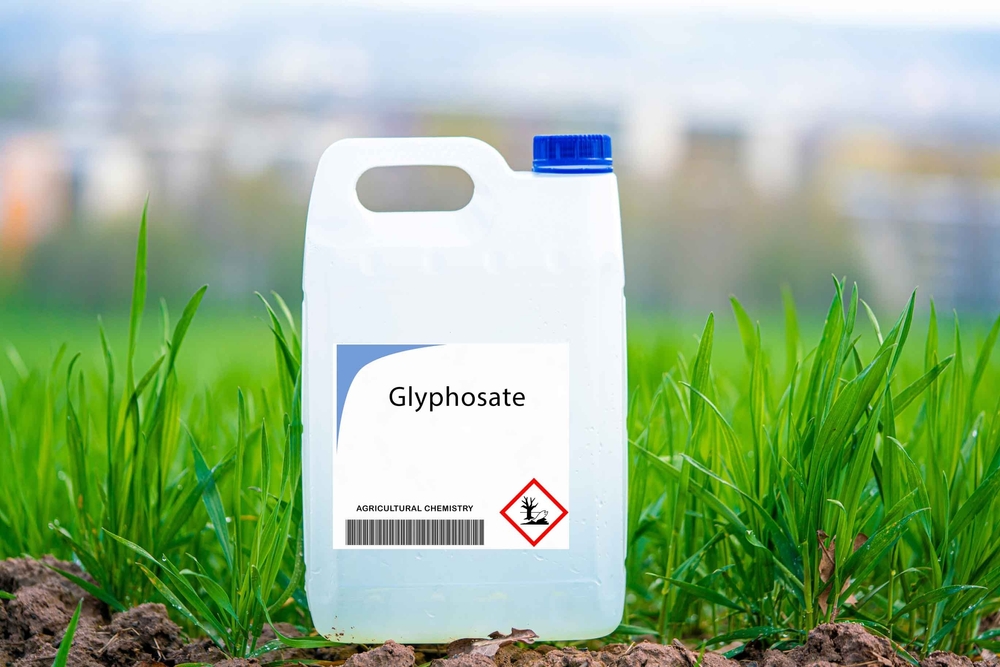
Where the Case Goes From Here
The Supreme Court has not yet decided whether it will hear Bayer’s appeal, but the DOJ’s support increases the likelihood that the justices will take up the case. If accepted, a ruling could come next year and reshape how pesticide related injury claims are handled across the country. For now, cancer victims remain in limbo, waiting to see whether their cases will proceed or be dismissed. Regardless of the outcome, the situation highlights the ongoing tension between regulatory authority, corporate protection, and individual health rights. Staying informed and cautious remains one of the few tools consumers can control as the legal process unfolds.Some of the links I post on this site are affiliate links. If you go through them to make a purchase, I will earn a small commission (at no additional cost to you). However, note that I’m recommending these products because of their quality and that I have good experience using them, not because of the commission to be made.


 JOIN OVER
Comments