Medical detectives at the University of Utah Health stumbled upon a genetic puzzle that defied conventional understanding. Two brothers had been diagnosed with a devastating seizure disorder, carrying an identical genetic mutation that typically triggers severe neurological problems. Yet their grandfather and great uncle carried the same genetic change and lived perfectly healthy lives.
Something was protecting these older family members, but what? Scientists suspected a hidden genetic guardian was at work, shielding certain individuals from a disease that should have affected them. Finding that protector could unlock new treatments for patients worldwide.
After combining old-school family tree analysis with cutting-edge fruit fly genetics, researchers identified their suspect. A second protein called CNTN2 appears to act as a biological shield, preventing seizures in people who should develop them based on their genetics alone. Research findings published in The American Journal of Human Genetics reveal how this protective mechanism works and why it matters for rare disease research.
Two Brothers Share a Diagnosis but Not a Family Pattern
Both brothers presented with early-onset epilepsy and mild developmental delays. Medical testing confirmed they had PIGA-CDG, an ultra-rare genetic disorder that affects fewer than 100 people worldwide. Standard genetic panels identified a hemizygous missense mutation in both children, confirming what doctors already suspected from their symptoms.
PIGA-CDG typically manifests with seizures, hypotonia, and neurodevelopmental delays. Current treatments remain limited to managing individual symptoms rather than addressing root causes. Severity varies widely among patients, hinting that multiple genes might influence how the disease presents itself.
Family history took an unexpected turn when genetic testing expanded to other relatives. Both the maternal grandfather and a great uncle carried the exact same PIGA variant as the affected brothers. Medical records and physical examinations confirmed neither man showed any symptoms associated with PIGA-CDG. No seizures. No developmental issues. No neurological problems whatsoever.
Standard genetic theory couldn’t explain this pattern. Everyone with the mutation should develop symptoms, yet two family members lived unaffected into older age. Research team members led by first author Holly Thorpe and senior author Clement Chow, PhD, recognized they were witnessing incomplete penetrance, where a genetic mutation doesn’t always cause disease even when present.
Cracking the Code With Flies and Family History
Solving this mystery required detective work spanning human genetics and animal models. Researchers hypothesized that secondary genetic changes might exist only in unaffected family members, protecting them from disease. Whole-genome sequencing provided the raw data, but identifying which changes mattered required strategic thinking.
Scientists created a shortlist based on predicted gene function. Candidate genes needed to make biological sense, playing roles in cellular processes related to PIGA function. Rather than drowning in thousands of genetic variants, researchers focused on changes affecting glycosylation pathways and related proteins.
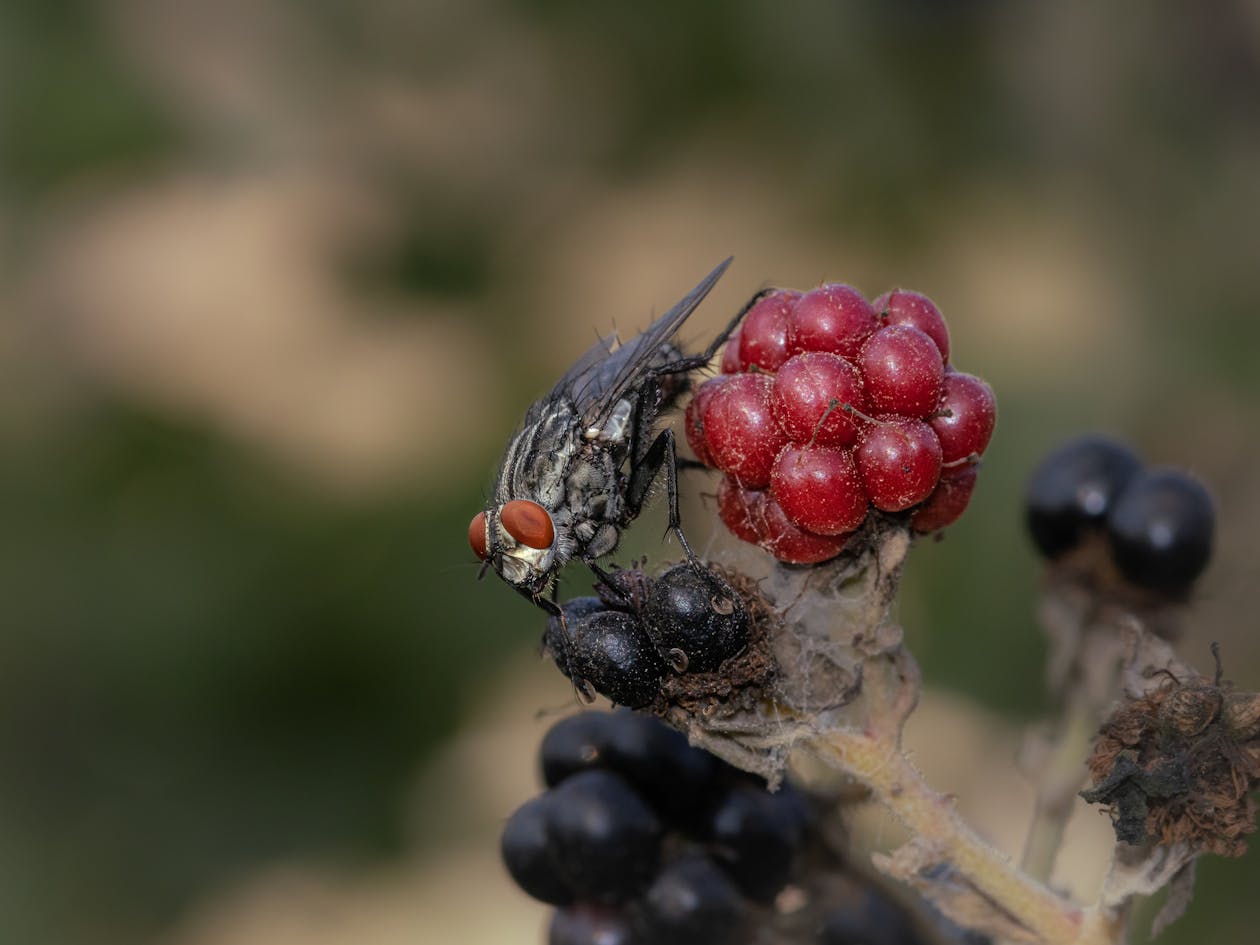
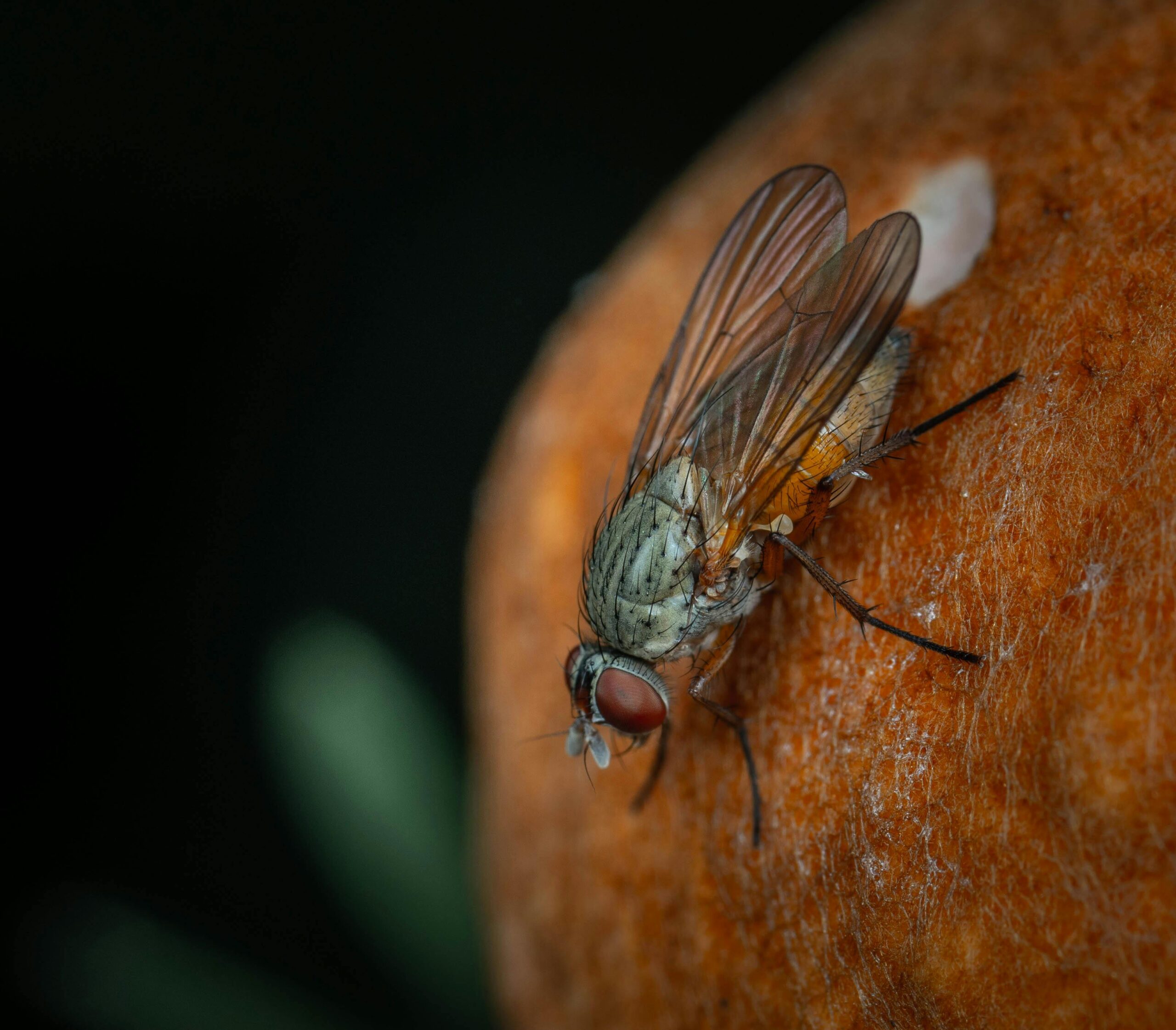
Fruit flies became unlikely heroes in testing these candidates. Drosophila models allowed rapid experimentation impossible in human subjects. Flies with reduced PIGA function in neurons develop seizures and movement problems, mirroring human disease symptoms. Scientists could then test whether reducing the function in candidate modifier genes would improve these symptoms.
One gene stood out from the rest. CNTN2 alterations appeared in family members who carried the PIGA mutation but showed no disease symptoms. When researchers reduced CNTN2 function in flies that already had reduced PIGA function, something remarkable happened. Movement improved. Seizure severity decreased. Flies functioned better despite having the disease-causing mutation.
CNTN2 Emerges as the Protective Player
CNTN2 encodes a protein anchored to cell surfaces, responsible for neuron and glial cell interactions. Glial cells support neurons, maintaining the blood-brain barrier and providing essential metabolic support. Communication between these cell types proves essential for proper brain function.
Changes to CNTN2 in unaffected family members likely protect people against PIGA-CDG. Chow, associate professor of genetics in the Spencer Fox Eccles School of Medicine at the University of Utah Health, explained the broader implications. “If we can use this strategy more broadly, I think we can help address the problem of phenotypic variation in rare disease. I am hoping that this will be used as a roadmap moving forward.”
Understanding why CNTN2 variations provide protection requires examining what PIGA does normally. Everyone with PIGA-CDG has changes in the PIGA gene, which encodes a protein necessary for synthesizing glycosylphosphatidylinositol anchors. GPI anchors act like molecular tethers, attaching roughly 150 different proteins to cell surfaces throughout the body.
PIGA functions as the catalytic component of a complex that performs the first step in GPI-anchor synthesis. When PIGA malfunctions, cells cannot properly attach these surface proteins. CNTN2 happens to be one of those GPI-anchored proteins. Alterations affecting both proteins simultaneously may create a compensatory balance, reducing disease severity.
Fruit Flies Become Unlikely Heroes
Drosophila models proved essential because studying ultra-rare diseases in humans presents impossible statistical challenges. PIGA-CDG affects so few people that standard genetic analysis techniques cannot work. Small patient populations prevent researchers from gathering enough data to identify patterns with statistical confidence.
Fruit fly genetics offered a solution. Scientists can manipulate specific genes in flies, observing results within weeks rather than years. Ethical considerations that limit human experimentation don’t apply to insect models. Researchers can test multiple genetic combinations quickly, identifying interactions that would take decades to observe in human populations.
Results were striking. Flies with reduced PIGA function struggled with movement and experienced seizure-like activity. Adding reduced CNTN2 function rescued these phenotypes. Movement became easier. Seizures decreased in frequency and severity. Flies with both genetic changes functioned better than flies with just the PIGA mutation alone.
Scientists tested this interaction across multiple fly models. Neuron-specific PIGA knockdown produced climbing defects. Glia-specific PIGA reduction triggered seizure phenotypes. CNTN2 loss rescued problems in both cell types, confirming the protective effect worked through multiple cellular mechanisms.
From Lab Bench to Real Patients
Translating fly findings back to human medicine requires caution. Fruit flies and humans diverged evolutionarily hundreds of millions of years ago. Yet core cellular processes remain remarkably conserved across species. Glycosylation pathways, neuronal function, and glial support mechanisms work similarly in flies and people.
Researchers believe these findings could lead to better therapies for PIGA-CDG patients. Current treatments manage symptoms without addressing underlying causes. Understanding that CNTN2 provides protection opens new therapeutic avenues. Drugs targeting the CNTN2 pathway might reduce seizure severity in patients lacking natural protective variants.
Approximately 100 people worldwide have been diagnosed with PIGA-CDG. Actual numbers likely run higher, as milder cases may go undiagnosed or misdiagnosed as other seizure disorders. Phenotypic variability complicates diagnosis. Some patients experience severe developmental delays while others show milder symptoms like the Utah brothers.
Cell models from mice and humans demonstrate decreased GPI-anchored proteins on surfaces when PIGA function drops. However, cell culture has limitations. Many GPI-anchored proteins mediate cell-to-cell communication. Relationships between neurons and glia prove difficult to recreate in petri dishes. Animal models remain necessary for understanding how these proteins interact in living brains.
A Roadmap for Rare Disease Research
Beyond PIGA-CDG, this research demonstrates a powerful approach for studying other rare diseases. Combining pedigree analysis with model organism genetics could unlock mysteries across multiple conditions. Many rare diseases show phenotypic variation that genetic testing alone cannot explain.
One in ten Americans lives with a rare disease. Most lack effective treatments. Pharmaceutical companies often avoid rare disease research because small patient populations make clinical trials difficult and expensive. Finding genetic modifiers could identify drug targets without requiring massive patient cohorts.
Pedigree analysis provides rich information often overlooked in modern genomics. Extended families showing incomplete penetrance or variable expressivity hold clues about protective and susceptibility factors. Whole-genome sequencing has become affordable enough to screen multiple family members, revealing patterns invisible when examining individual patients.
Model organisms bridge the gap between human genetics and therapeutic development. Flies, worms, fish, and mice allow rapid testing of hypotheses generated from human data. Researchers can validate candidates in vivo before investing in expensive drug development programs. Failed candidates get eliminated early, saving time and resources.
A Long Road From Discovery to Treatment
Several research steps remain before these findings benefit patients. Scientists need to understand exactly how CNTN2 variations protect at the molecular and cellular levels. Does reduced CNTN2 function compensate for missing GPI anchors? Do altered neuron-glial interactions somehow stabilize neuronal networks prone to seizures?
Drug development targeting CNTN2 pathways could take years or decades. Pharmaceutical companies must determine whether modulating CNTN2 function safely reduces seizures without causing problematic side effects. Clinical trials would need to demonstrate efficacy in actual patients, not just animal models.
Gene therapy represents another potential avenue. If CNTN2 modifications protect against disease, could doctors introduce similar genetic changes therapeutically? Ethical and technical hurdles abound, but the concept holds promise for genetic disorders resistant to conventional drugs.
Meanwhile, genetic testing for PIGA-CDG patients could expand to screen for CNTN2 variants. Identifying which patients carry protective modifications might help doctors predict disease severity and customize treatment approaches. Precision medicine requires understanding individual genetic backgrounds beyond just primary disease mutations.
Why This Research Matters Beyond Rare Diseases
Creator: peterschreiber.media | Credit: Getty Images/iStockphoto
Ultra-rare disease research often yields insights applicable to common conditions. Seizure disorders affect millions of people worldwide. Understanding how CNTN2 protects against seizures in PIGA-CDG might reveal mechanisms relevant to epilepsy generally. Neuron-glial interactions implicated in this research play roles in numerous neurological conditions.
Modifier gene research challenges simplistic views of genetic disease. Medicine traditionally focused on single-gene disorders as straightforward cases where one mutation causes one disease. Reality proves messier. Genetic background, environmental factors, and modifier genes all influence whether mutations cause symptoms and how severe those symptoms become.
Some of the links I post on this site are affiliate links. If you go through them to make a purchase, I will earn a small commission (at no additional cost to you). However, note that I’m recommending these products because of their quality and that I have good experience using them, not because of the commission to be made.




 JOIN OVER
Comments