Most people spend little time thinking about magnesium. It rarely makes headlines. It lacks the celebrity status of vitamin D or the marketing muscle behind omega-3 supplements. Yet researchers at the Australian National University recently stumbled upon findings that could change how we think about brain health and aging.
A team of scientists set out to examine dietary patterns among thousands of middle-aged adults. Their findings, published in the European Journal of Nutrition in March 2023, have sparked conversation across the medical community and raised questions about whether something as simple as eating more leafy greens could protect against cognitive decline.
For anyone who has watched a loved one struggle with dementia or worried about their own mental sharpness as birthdays accumulate, these findings offer something rare in brain health research. Hope.
What Researchers Actually Found
Scientists from the Neuroimaging and Brain Lab at the Australian National University analyzed data from more than 6,000 participants in the United Kingdom. All participants had healthy brains at the study’s outset and ranged in age from 40 to 73 years old.
Researchers tracked dietary habits through an online questionnaire that participants completed five times over 16 months. Each questionnaire covered 200 different foods with varying portion sizes, allowing scientists to calculate daily magnesium consumption with reasonable accuracy.
Results painted a striking picture. Participants who consumed more than 550 milligrams of magnesium daily showed measurably different brain characteristics compared to those consuming around 350 milligrams per day. By age 55, high-magnesium consumers had brains that appeared roughly one year younger than their peers who ate less of the mineral.
One year might sound modest. But brain aging compounds over time, and even small protective effects in middle age can translate to meaningful differences decades later. Researchers found associations between higher magnesium intake and larger gray matter volumes, larger white matter volumes, and larger hippocampal volumes. Gray matter processes information. White matter connects brain regions. The hippocampus plays a central role in memory formation.
Lead author Khawlah Alateeq, a PhD researcher at ANU’s National Centre for Epidemiology and Population Health, put the numbers in plain terms.
“Our study shows a 41 per cent increase in magnesium intake could lead to less age-related brain shrinkage, which is associated with better cognitive function and lower risk or delayed onset of dementia in later life,” Alateeq said.
A 41 percent increase from the average 350 milligrams brings someone to roughly 500 milligrams daily. For reference, a cup of cooked spinach contains about 157 milligrams of magnesium. A quarter cup of pumpkin seeds packs around 190 milligrams. Reaching higher intake levels requires intention but remains achievable through diet alone.
Women See Greater Benefits
Perhaps the most surprising finding emerged when researchers separated results by sex. Women appeared to benefit more from higher magnesium intake than men did.
Scientists observed stronger associations between magnesium consumption and brain volumes in female participants. And within the female cohort, post-menopausal women showed even more pronounced effects than pre-menopausal women.
Why would magnesium affect women’s brains differently? Alateeq offered one possible explanation.
“We also found the neuroprotective effects of more dietary magnesium appears to benefit women more than men and more so in post-menopausal than pre-menopausal women, although this may be due to the anti-inflammatory effect of magnesium,” she said.
Inflammation increases naturally as we age. It tends to rise further after menopause when estrogen levels drop. Magnesium possesses anti-inflammatory properties, and these properties may prove especially valuable when the body faces heightened inflammatory activity.
Previous research has shown that post-menopausal women with higher dietary magnesium intake display lower levels of inflammatory markers like C-reactive protein, tumor necrosis factor, and interleukin-6. If magnesium helps tamp down inflammation, and if post-menopausal women face more inflammation to begin with, the mineral might provide them with greater relative benefit.
For Australian women, these findings carry particular weight. Dementia remains the leading cause of death for women in Australia. Any dietary strategy that might reduce risk deserves serious attention.
Why Prevention Matters Now More Than Ever
Global dementia rates are climbing. In 2019, an estimated 57.4 million people worldwide lived with dementia. By 2050, projections suggest that the number will swell to 152.8 million. Such growth will strain health services, overwhelm social support systems, and impose staggering economic costs.
Against that backdrop, researchers have grown increasingly frustrated. Drug development for dementia has produced disappointment after disappointment. Pharmaceutical companies have invested billions into treatments, yet meaningful breakthroughs remain elusive.
Dr. Erin Walsh, a study co-author also based at ANU, framed the situation bluntly. “Since there is no cure for dementia and the development of pharmacological treatments have been unsuccessful for the past 30 years, it’s been suggested that greater attention should be directed towards prevention,” Walsh said.
Prevention sounds straightforward in theory. In practice, it requires understanding which factors actually influence dementia risk. Scientists have identified several modifiable risk factors over the years, including physical inactivity, smoking, excessive alcohol consumption, air pollution exposure, and certain mental health conditions. Yet these known factors explain only about 35 percent of non-genetic dementia risk.
Roughly two-thirds of the picture remains incomplete. Researchers need to identify additional contributors. Dietary magnesium may represent one piece of that puzzle.
Walsh believes the magnesium findings could inform public health strategy. Dietary recommendations scale easily. Unlike expensive pharmaceutical interventions, eating more spinach and nuts requires no prescription, no insurance approval, and no specialized medical infrastructure. If further research confirms these associations, governments could launch population-wide campaigns encouraging higher magnesium consumption.
Starting Early Could Pay Off
One aspect of the research surprised even the scientists conducting it. Protective effects appeared in participants as young as their 40s, suggesting that brain benefits from magnesium may begin earlier than previously assumed.
Most prior research on magnesium and cognition focused on adults over 60. By that age, decades of neurodegeneration have already occurred. Detecting protective effects requires looking backward, trying to connect current brain health with long-past dietary patterns.
Australian National University researchers took a different approach by examining middle-aged participants. Their findings suggest the window for dietary intervention opens earlier than many people realize.
Alateeq emphasized that all age groups should pay attention to their magnesium consumption, not just older adults worried about imminent cognitive decline. Someone in their 30s or 40s who increases magnesium intake today may be laying groundwork for better brain health decades from now.
Scientists also examined how changes in magnesium consumption over time related to brain outcomes. Using a statistical technique called latent class analysis, they identified three distinct patterns among participants. Most people maintained stable, normal magnesium intake throughout the study period. A small percentage started high and decreased over time. Another small group started low and increased.
Interestingly, participants who maintained consistently high intake showed the most favorable brain measurements. Even those whose intake decreased over the study period but had started high showed better outcomes than those with consistently average intake. Researchers interpret this as evidence that long-term dietary patterns matter more than short-term changes.
Years and decades of magnesium consumption may shape brain health in ways that a few months of improved eating cannot quickly reverse. Like compound interest in a retirement account, small, consistent deposits add up over time.
Foods to Put on Your Plate
Reaching 550 milligrams of daily magnesium requires some dietary planning but no exotic ingredients. Many common foods contain meaningful amounts of the mineral.
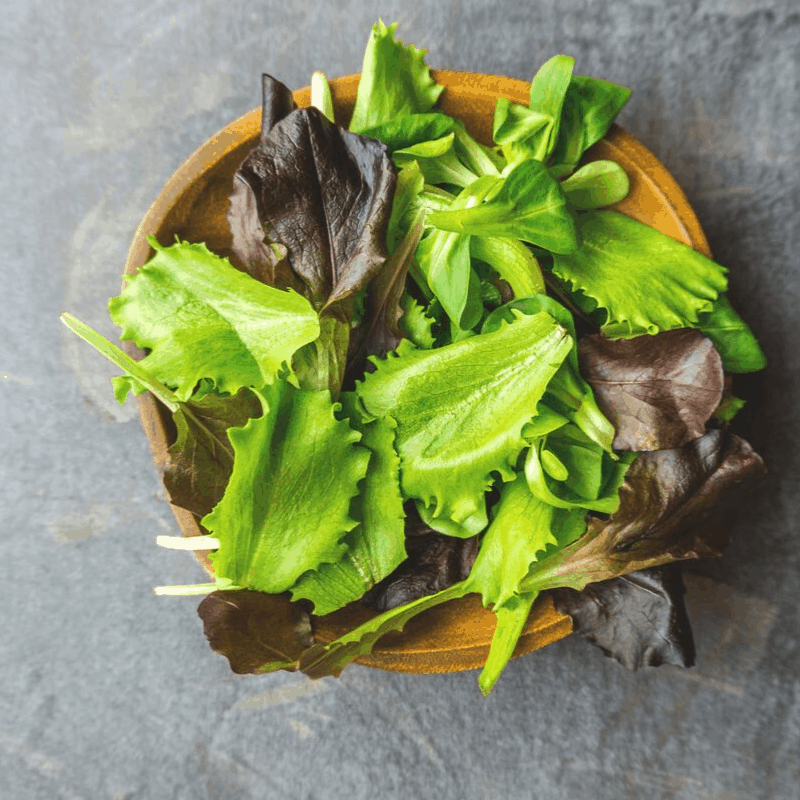
Leafy green vegetables rank among the best sources. Spinach, Swiss chard, and kale all pack substantial magnesium. A single cup of cooked spinach delivers nearly half the daily target. Raw greens contain less by volume, since cooking concentrates nutrients, but salads still contribute to overall intake.
Legumes offer another excellent option. Black beans, chickpeas, and lentils provide magnesium along with protein and fiber. A cup of cooked black beans contains roughly 120 milligrams.
Nuts and seeds punch above their weight. Pumpkin seeds lead the category, but almonds, cashews, and sunflower seeds all contribute meaningfully. Snacking on a quarter cup of almonds adds about 80 milligrams to daily intake.
Whole grains round out the picture. Brown rice, quinoa, and oatmeal contain more magnesium than their refined counterparts. Processing strips away the magnesium-rich bran and germ, leaving white rice and white bread nutritionally poorer.
For people who struggle to reach adequate intake through food alone, supplements exist. However, researchers in this study specifically examined dietary magnesium rather than supplementation. Whether pills provide the same brain benefits as food remains an open question. Whole foods contain thousands of compounds that may work together in ways that isolated supplements cannot replicate.
What Scientists Still Need to Learn
Despite the encouraging findings, important questions remain unanswered. Researchers acknowledge uncertainty about exactly when and how dietary magnesium starts affecting brain health.
One surprise involved blood pressure. Scientists initially hypothesized that magnesium might protect brains by lowering blood pressure. High blood pressure damages blood vessels throughout the body, including those feeding the brain. Magnesium has demonstrated blood pressure-lowering effects in other research.
Yet in this study, associations between magnesium intake and blood pressure measurements proved mostly insignificant. Whatever protective mechanism magnesium provides, it does not appear to work primarily through blood pressure reduction.
Alternative explanations exist. Magnesium plays roles in regulating oxidative stress and controlling inflammation. It influences the behavior of NMDA receptors, which are involved in learning and memory. Animal studies have shown that magnesium deficiency triggers the production of inflammatory compounds in brain tissue.
Researchers also note that their study demonstrates association rather than causation. Participants who ate more magnesium might share other characteristics that protect brain health. Perhaps they exercise more, sleep better, or experience less chronic stress. Statistical adjustments accounted for many such factors, but unmeasured differences could still influence results.
Future studies will need to confirm these findings in other populations. Participants in this research came from the United Kingdom and may not represent global dietary patterns or genetic backgrounds. Clinical trials that randomly assign participants to different magnesium intake levels would provide stronger evidence, though such trials face practical and ethical challenges.
One More Reason to Eat Your Greens
For now, the research adds another reason to eat your vegetables. Leafy greens, nuts, seeds, and legumes have long been associated with good health. If they also protect against cognitive decline, that represents a bonus rather than a reason to overturn existing dietary wisdom.
Walsh hopes the findings will eventually inform public health strategy. Population-level interventions that encourage higher magnesium consumption could reach millions of people at relatively low cost. Even modest reductions in dementia incidence would translate to enormous benefits for individuals, families, and healthcare systems.
Researchers continue investigating the relationship between diet and brain aging. Magnesium represents just one nutrient among thousands that humans consume. Understanding how all these compounds interact to influence cognitive health will require years of additional study.
In the meantime, people worried about their brain health have one more tool at their disposal. It grows in gardens, sits on grocery store shelves, and requires nothing more than a willingness to eat a bit more spinach with dinner.
Some of the links I post on this site are affiliate links. If you go through them to make a purchase, I will earn a small commission (at no additional cost to you). However, note that I’m recommending these products because of their quality and that I have good experience using them, not because of the commission to be made.







 JOIN OVER
Comments