
Could a Common Virus Be the Hidden Trigger Behind Lupus
Last updated on
Lupus is a confusing illness for many because it affects the body in so many different ways. New research from Stanford Medicine is now providing a breakthrough that connects lupus to the Epstein Barr virus, often shortened to EBV. This virus is incredibly common. More than ninety five percent of adults carry it. While EBV usually remains quiet after the initial infection, scientists have now found that it can influence the immune system in a way that matches the patterns seen in lupus. The virus is able to change how certain immune cells behave and this can set off the long term inflammation and self attacking responses linked to the disease.
Understanding Lupus in Detail
Lupus, formally known as systemic lupus erythematosus, is an autoimmune disease. In autoimmune diseases, the immune system turns against the body instead of protecting it. In lupus, this mistaken attack can affect joints, skin, kidneys, blood, lungs, and even the brain. Symptoms vary widely. Many people experience long lasting fatigue, joint discomfort, fevers, or a facial rash shaped like a butterfly. Inflammation can also affect the heart, kidneys, or nervous system which can make the disease more serious. The unpredictable nature of symptoms makes lupus difficult to diagnose and treat. The disease affects women far more often than men. Researchers believe that hormones may play a part in this difference although no single explanation has been proven. Genetics also contribute. If someone has certain immune system traits, they may be more likely to develop lupus at some point in life. Current treatments often focus on calming the immune system with medications. While these medicines help control symptoms, they do not cure the disease because they do not address the root cause. This is why the new findings about EBV are so important.The Link Between Ebv and Lupus
Epstein Barr virus is best known for causing mononucleosis, but most infections happen in childhood with only mild symptoms. After the initial phase, the virus hides inside B cells which are immune cells that help the body make antibodies. For decades, scientists suspected that EBV might be involved in lupus but the mechanism was unclear. With newer technology, researchers examined hundreds of thousands of immune cells from both people with lupus and people without it. They discovered that EBV infected cells were far more common in those who had lupus. The virus seemed to prefer a specific type of B cell called an autoreactive B cell. These cells have the potential to attack the body if they become activated. EBV appears to reprogram these cells so that they move from a silent state into a highly active one. This shift can spark a chain reaction in the immune system. Once activated, these cells start sending signals that attract more immune cells which increases inflammation throughout the body. Over time, this chaotic activity can contribute to the symptoms seen in lupus.How Ebv Changes Immune Cells
The key to this process lies in a viral protein known as EBNA2. When EBV infects a B cell, EBNA2 turns on human genes that increase inflammation. These genes then activate other genes, creating a large network of inflammatory responses. As the infected cells change, they begin to communicate more intensely with helper T cells. These helper T cells bring in additional autoreactive B cells which increases the number of cells involved in the immune response. Even immune cells not infected by EBV respond to these signals and join in the activity.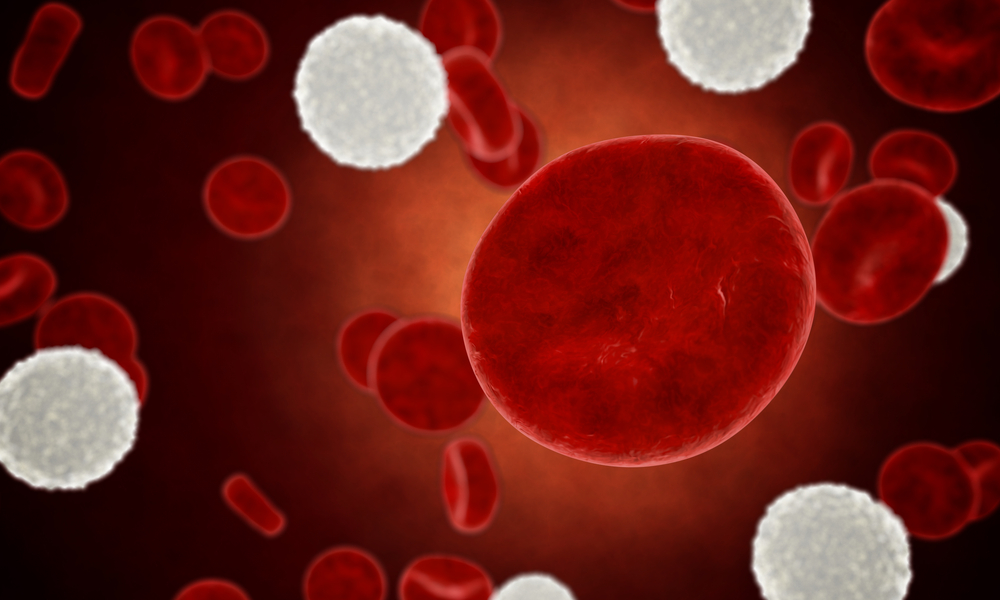
Why Only Some People Develop Lupus
One question naturally arises. If nearly everyone carries EBV, why do only a small fraction develop lupus? Researchers believe several factors influence who is affected. First, not all strains of EBV are identical. Some may be more likely to cause changes in B cells. These differences might explain why only certain individuals experience long term immune disruption. Second, genetics play a major role. If someone has immune system genes that increase the presence of autoreactive B cells, EBV has more opportunities to infect these sensitive cells. Without these genetic traits, the virus may remain harmless.
What This Discovery Means for Future Care
The new findings offer promising directions for prevention and treatment. If EBV is directly involved in lupus, then vaccines designed to prevent infection may reduce the risk of developing the disease. Several early stage vaccines are already in development. Another possible treatment involves removing EBV infected B cells from the body. Stanford researchers are exploring this idea. They believe that clearing these cells may help control lupus while avoiding the side effects of broad immune suppression. Doctors may also develop tests that look for specific markers of EBV activity in immune cells. Such tests could help diagnose lupus earlier or predict how the disease will progress. Researchers are also questioning whether EBV contributes to other autoimmune diseases. Conditions such as multiple sclerosis and rheumatoid arthritis have shown possible viral connections. This opens the door to wider research and possibly new therapies.Natural Ways to Support Immune Health
While treatments advance, lifestyle practices can help support the body’s natural balance. These approaches will not cure lupus nor replace medical care but can help promote well being. Also stress management is an essential part of immune support. Chronic stress disrupts immune function which can worsen inflammation. Activities like gentle yoga, breathing exercises, or meditation can help calm the body. Sleep plays an important role in immune strength. Aim for seven to nine hours of rest each night. Keep a consistent sleep schedule and create a peaceful environment without bright screens. Eating whole foods can also support immune balance. Focus on fruits, vegetables, lean proteins, and healthy fats. Foods rich in omega three fatty acids can help reduce inflammation. Maintaining a healthy gut supports immune function as well. Fermented foods like yogurt or kefir provide beneficial bacteria. Fiber from vegetables and whole grains nourishes these bacteria. Regular physical activity helps regulate the immune system. Even simple activities like walking or swimming can improve energy levels and overall well being.
Moving Forward With Awareness and Hope
The discovery that EBV can influence immune cells in a way that resembles lupus marks a turning point in understanding this complex disease. It offers a clearer explanation for how inflammation begins and spreads. For patients and families, this knowledge brings validation and clarity. It shows that lupus is not random or unexplained but rooted in measurable biological events. For researchers, it presents an opportunity to design treatments that address the early steps of the disease instead of only controlling symptoms. Although much remains to be learned, the connection between EBV and lupus brings hope. With continued study, vaccines and targeted therapies may one day prevent or greatly reduce the impact of the disease. This adds further context to the topic. As science uncovers more of the hidden interactions between viruses and the immune system, people living with lupus can look forward to a future where diagnosis is clearer, treatments are more precise, and the possibility of long-term relief becomes more realistic than ever.Some of the links I post on this site are affiliate links. If you go through them to make a purchase, I will earn a small commission (at no additional cost to you). However, note that I’m recommending these products because of their quality and that I have good experience using them, not because of the commission to be made.


 JOIN OVER
Comments