
Male Fertility After COVID 19 The Hidden Toll of the Pandemic
Last updated on
The COVID-19 pandemic not only tested global healthcare systems but also transformed how we understand the human body, resilience, and recovery. What began as a respiratory virus soon revealed itself to be a multisystemic threat, capable of impacting organs and biological functions far beyond the lungs. From cardiovascular complications to neurological symptoms, the virus left traces that researchers are still uncovering. Yet one area that has only recently begun to receive attention is how COVID-19 may affect male reproductive health, not just temporarily, but in ways that could shape the health of future generations. As researchers delve deeper, startling patterns have emerged. Evidence suggests that SARS-CoV-2, the virus responsible for COVID-19, can infiltrate reproductive tissues, disrupt hormonal balance, and even alter the molecular integrity of sperm. While fertility concerns are often seen as secondary during illness, the findings paint a different picture, one where male reproductive health could serve as a biological record of the body’s struggle with infection and recovery. This discovery extends the conversation about COVID-19’s legacy from immediate survival to the potential for lasting generational consequences. The notion that a viral infection could influence offspring health might seem far-fetched, but it aligns with growing research in the field of epigenetics, the study of how environmental factors can affect gene expression without altering DNA itself. In this light, COVID-19 appears less a transient illness and more a catalyst for subtle yet lasting biological changes that ripple through time. Understanding these effects could redefine not only how we view recovery but also how we safeguard reproductive and future generational health.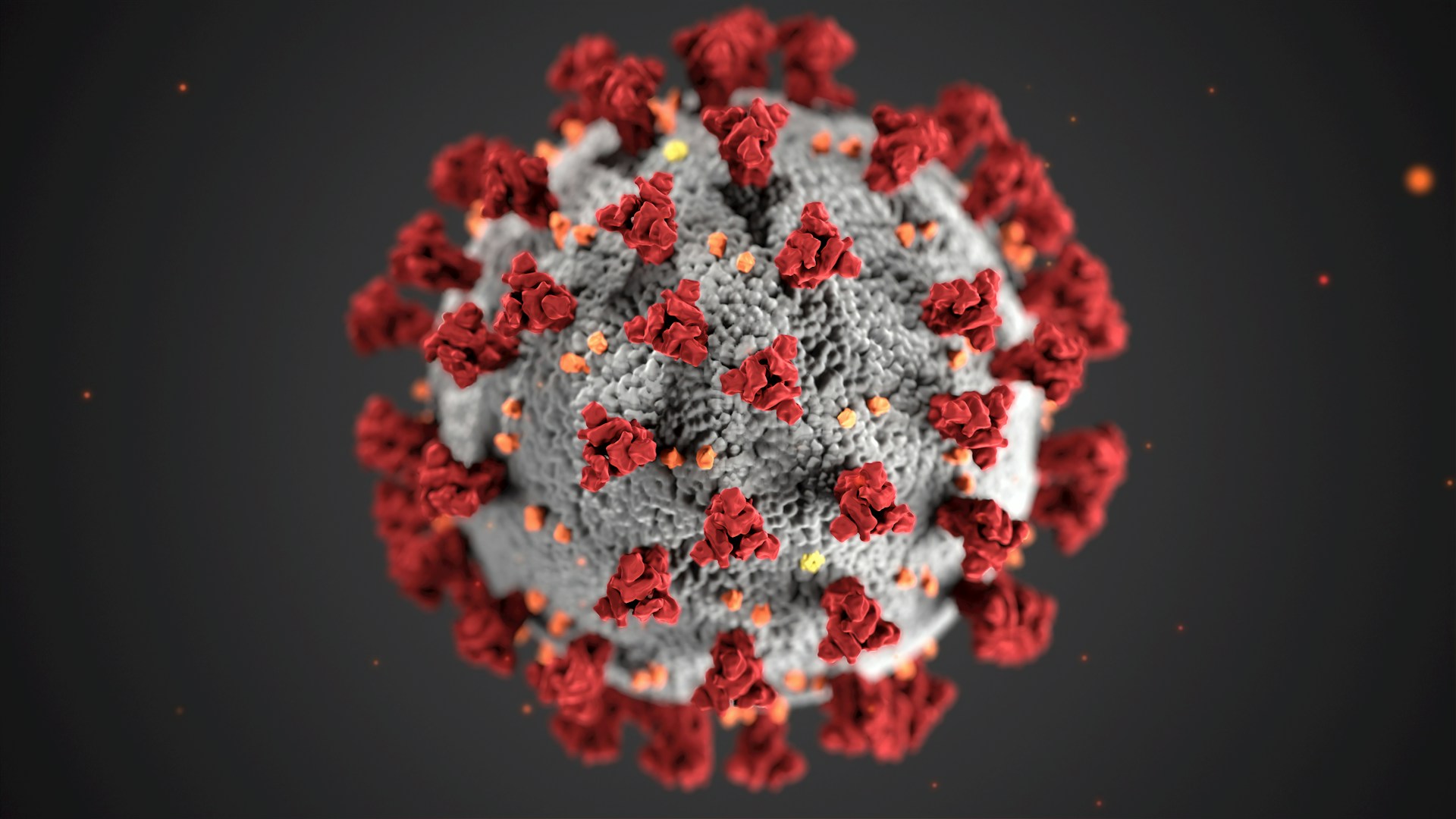
COVID-19 and the Unexpected Link to Male Reproductive Health
COVID-19 reshaped how the world thinks about illness, recovery, and long-term health. While much of the focus has been on respiratory complications and immune system recovery, new research points toward an unexpected area of concern, male reproductive health. Scientists are beginning to understand how this virus may cause changes in sperm that extend far beyond short-term fertility issues. These changes could potentially influence the health of future generations, a finding that adds a new dimension to the discussion about the pandemic’s legacy. As studies continue, evidence suggests that COVID-19 infection can lead to measurable biological changes in sperm. The virus’s ability to infiltrate various organs, including the testes, raises concerns about how it affects reproductive tissues and genetic material. Early findings reveal that these effects are not limited to temporary disruptions in sperm count or motility but may involve deeper molecular alterations that could persist long after recovery. What makes this discovery particularly striking is the potential for intergenerational impact. Research now indicates that changes in sperm caused by COVID-19 infection might influence the mental and physical health of future children. This revelation underscores how a single viral infection could have far-reaching implications, reshaping our understanding of fertility, heredity, and preventive health. When scientists examined sperm samples from men who had recovered from COVID-19, they found evidence of inflammation, DNA fragmentation, and hormonal imbalance. These biological disturbances could interfere with sperm production and quality. Because sperm carries not only genetic material but also epigenetic information, any alterations could influence embryonic development and long-term offspring health. Such findings highlight the need for reproductive evaluation as part of post-COVID recovery, particularly for men planning to start families in the near future.
The Science Behind Sperm Alterations After COVID-19
The scientific foundation for understanding COVID-19’s effect on sperm lies in how the virus interacts with the body at a cellular level. Studies have shown that the SARS-CoV-2 virus can cause oxidative stress, a process that damages cells by increasing reactive oxygen species. Sperm cells are particularly vulnerable to oxidative stress because they contain limited repair mechanisms. When oxidative damage occurs in sperm, it can lead to DNA fragmentation, decreased motility, and reduced ability to fertilize an egg. A recent animal study has provided compelling evidence supporting these concerns. Male mice infected with COVID-19 were found to have changes in the molecular composition of their sperm that persisted even after recovery. The offspring of these infected males displayed signs of anxiety and other behavioral changes, suggesting that the infection had transgenerational effects. Although these findings are preliminary and based on animal models, they raise serious questions about what similar patterns might mean for humans. Further human studies have also detected abnormalities in sperm from men who recently recovered from COVID-19. These include lower sperm counts, reduced movement, and altered shapes. Importantly, some of these changes appeared to improve over time, indicating that recovery and lifestyle factors may help reverse some of the damage. However, researchers emphasize that the long-term implications remain uncertain, especially for men who experienced severe infections or required hospitalization. In addition to direct damage from the virus, the body’s immune response may contribute to sperm alterations. The immune system releases cytokines during infection, which can cause inflammation in the testes. Chronic inflammation may interfere with the delicate balance of hormones such as testosterone and follicle-stimulating hormone, both of which are critical for healthy sperm development.What Epigenetics Tells Us About Generational Impact
The connection between sperm health and future generations lies in epigenetic programming. Unlike genetic mutations, which permanently alter DNA sequences, epigenetic changes modify how genes are expressed. These modifications can be passed from parent to child, influencing traits such as metabolism, stress response, and even brain function. In the case of COVID-19, the virus may cause epigenetic alterations in sperm that affect offspring health. For example, animal studies have shown that male infections can lead to changes in sperm RNA, which plays a role in early embryonic development. If these changes occur in humans, they could theoretically increase the risk of mental health challenges or metabolic disorders in the next generation.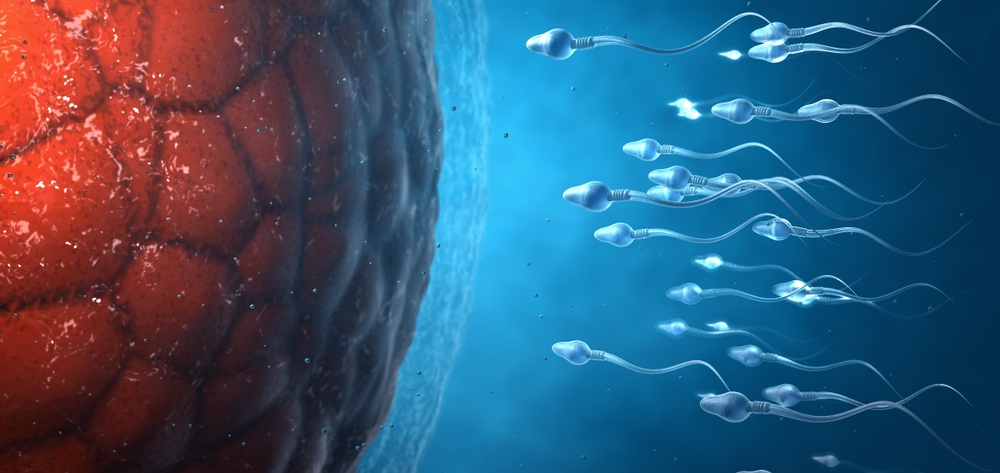
The Broader Implications for Male Fertility and Reproductive Health
The growing body of research on COVID-19’s impact on sperm health highlights the need to view reproductive health as an integral part of overall recovery. For many men, fertility may not be an immediate concern following infection, but understanding the potential risks can help guide future health decisions. Routine medical follow-ups, including hormone testing and semen analysis, could provide valuable insight into recovery progress. Lifestyle choices also play a major role in supporting sperm health after illness. Maintaining a balanced diet rich in antioxidants, such as vitamins C and E, can help combat oxidative stress. Regular exercise and adequate sleep contribute to hormonal stability, while reducing alcohol consumption and avoiding tobacco products can prevent further cellular damage. Another key consideration is stress management. Psychological stress, whether from the illness itself or the broader pandemic experience, can disrupt the hormonal balance that supports sperm production. Practicing mindfulness techniques, such as meditation or controlled breathing, may help regulate stress hormones and support reproductive wellness. Medical professionals recommend that men recovering from COVID-19 take a proactive approach by discussing fertility concerns with their healthcare providers. In some cases, sperm cryopreservation, the process of freezing sperm for future use, may be considered, particularly for those who experienced severe illness or plan to undergo treatments that could further impact fertility.Looking Ahead: Understanding and Protecting Future Generations
As science continues to uncover the long-term effects of COVID-19, it becomes increasingly clear that its reach extends beyond the lungs and immune system. The possibility that a temporary infection could influence future generations challenges long-standing assumptions about reproductive health. This understanding reinforces the importance of comprehensive post-infection care for men and the need for ongoing research into viral effects on the human reproductive system.Some of the links I post on this site are affiliate links. If you go through them to make a purchase, I will earn a small commission (at no additional cost to you). However, note that I’m recommending these products because of their quality and that I have good experience using them, not because of the commission to be made.


 JOIN OVER
Comments