
How the Shingles Vaccine May Influence Dementia Risk
Last updated on
Dementia is one of the most feared diagnoses of aging. It affects memory, reasoning, independence, and ultimately identity, touching not only those diagnosed but also families, caregivers, and entire health systems. For decades, scientists have searched for ways to prevent dementia or meaningfully slow its progression, yet progress has been frustratingly slow. Treatments have largely focused on managing symptoms rather than altering the course of the disease itself.
Now, an unexpected line of research is capturing global attention. A growing body of evidence suggests that a common and widely available vaccine, the shingles vaccine, may reduce the risk of developing dementia and even slow the disease in people who already have it. This idea sounds almost too simple, yet the data behind it are among the strongest seen in dementia prevention research in years.
The findings come from large-scale population studies in Wales and other countries, where unique public health policies created what scientists call a natural experiment. By comparing people who were eligible for the shingles vaccine with those who narrowly missed eligibility, researchers uncovered a striking pattern. Vaccinated individuals were significantly less likely to develop dementia, and those already living with dementia were less likely to die from the disease. https://www.youtube.com/watch?v=kaLQZBK6MWE
Why Scientists Are Looking at Viruses and the Aging Brain
For much of modern medical history, dementia research has focused on plaques and tangles in the brain. In Alzheimer’s disease, the most common form of dementia, these include amyloid beta plaques and tau protein tangles that disrupt communication between neurons. While these features are central to diagnosis, targeting them directly has not produced the breakthroughs many hoped for.
In recent years, researchers have begun widening the lens. Instead of focusing only on what accumulates in the brain, scientists are increasingly asking what might trigger or accelerate these processes in the first place. One emerging area of interest is the role of infections, particularly viruses that affect the nervous system.
Some viruses are neurotropic, meaning they can infect nerve cells and remain there for life. Herpesviruses are among the most well-known examples. Once a person is infected, the virus can remain dormant for decades, periodically reactivating and interacting with the immune system. Over time, this constant immune activity may contribute to chronic inflammation, which is now understood to be a key driver of many age-related diseases, including dementia.
The varicella zoster virus, which causes chickenpox and shingles, is one such virus. Nearly everyone who had chickenpox as a child carries this virus for life. In older age or when the immune system weakens, the virus can reactivate as shingles, causing a painful rash and sometimes long-lasting nerve pain.
Researchers have begun to wonder whether repeated reactivations of this virus, even when they do not cause obvious symptoms, might place stress on the brain and its blood vessels. Over many years, this stress could contribute to cognitive decline.
The Shingles Virus and Its Hidden Impact
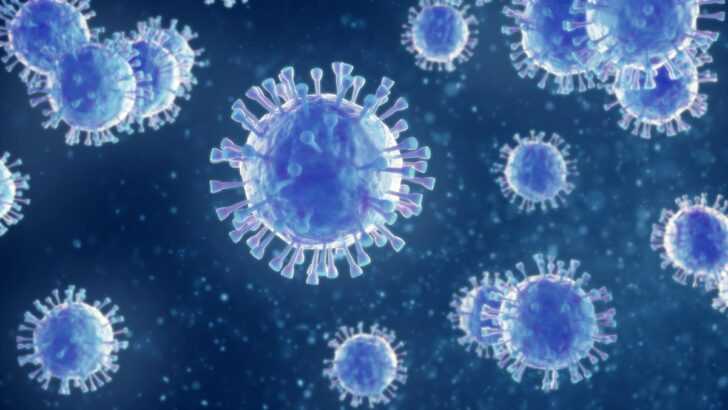
Shingles is often thought of as a painful but temporary condition. What is less widely appreciated is how deeply the virus interacts with the nervous system. Varicella zoster lives in nerve tissue and can affect both peripheral nerves and structures within the brain.
Studies have linked shingles and related viral activity to inflammation in the brain, damage to blood vessels, and changes that resemble those seen in Alzheimer’s disease. These include reduced blood flow, small strokes, and disruptions to the blood brain barrier. There is also evidence that the virus may influence the buildup of amyloid and tau proteins.
Beyond direct viral effects, there is another possible pathway. The immune system changes as people age, a process known as immunosenescence. Older immune systems often respond less efficiently to new threats but may remain in a chronic low-grade inflammatory state. Viral reactivations can worsen this imbalance, keeping the immune system in a constant state of alert.
Vaccination against shingles reduces both clinical and subclinical reactivations of the virus. This means fewer painful outbreaks, but it may also mean less ongoing immune stress. If chronic inflammation plays a role in dementia, then reducing this burden could help protect cognitive health over time.
A Natural Experiment in Wales Changed the Conversation
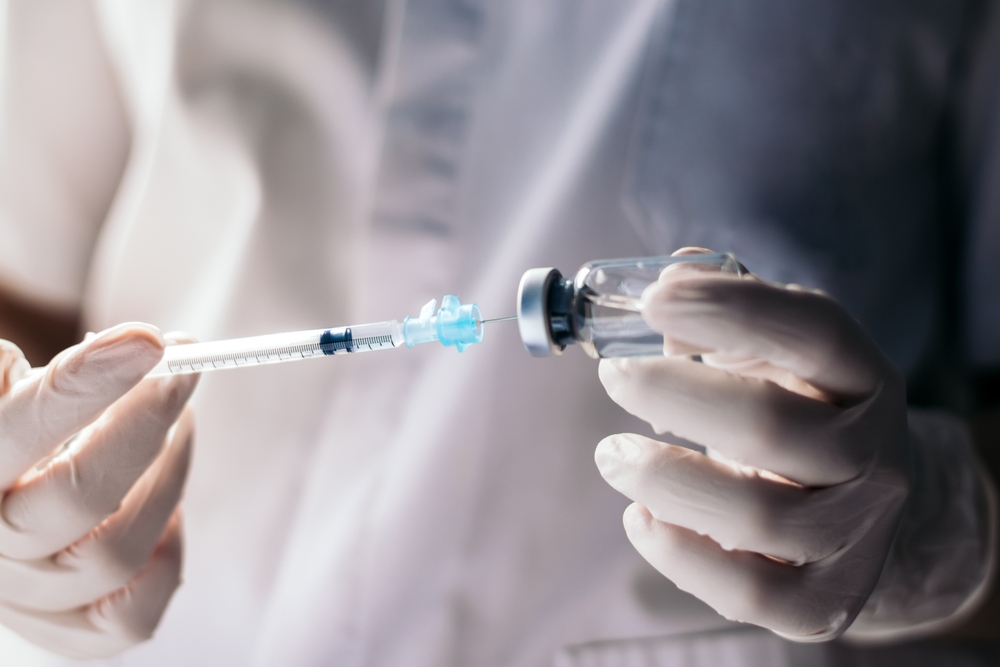
The most compelling evidence linking the shingles vaccine to dementia risk comes from an unusual public health policy in Wales. In 2013, the National Health Service introduced a shingles vaccination program using a live-attenuated vaccine. Due to limited supply, eligibility was determined strictly by date of birth.
People who were 79 years old on September 1, 2013, were eligible to receive the vaccine for one year. People who had already turned 80 by that date were not eligible and would never be offered the vaccine under the program. This created a sharp cutoff where individuals born just weeks apart had vastly different access to vaccination.
From a research perspective, this situation was remarkable. People born a week before and a week after the cutoff were nearly identical in age, health status, education, and lifestyle. The main difference between them was whether they had access to the shingles vaccine.
Researchers analyzed health records from more than 300,000 older adults in Wales, focusing closely on those near the eligibility threshold. Because vaccination status was driven by policy rather than personal choice, the study avoided a major source of bias that affects many observational studies. Vaccinated and unvaccinated individuals were similar in nearly every measurable way.
Fewer Dementia Diagnoses Among Vaccinated Individuals
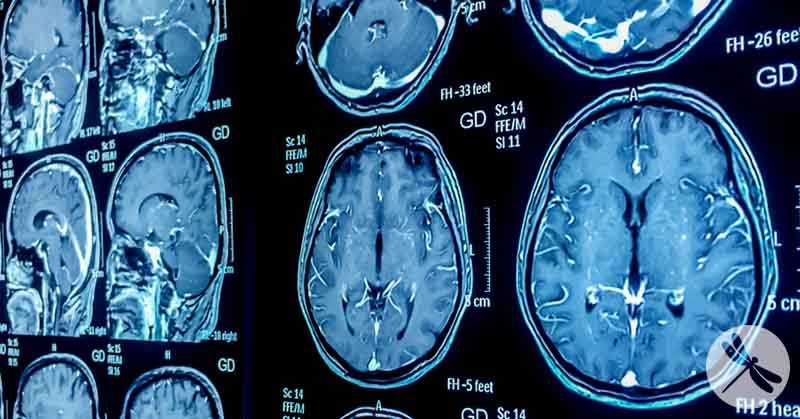
Over the following years, researchers tracked who developed dementia. The results were striking. Individuals who received the shingles vaccine were about 20 percent less likely to be diagnosed with dementia over a seven-year follow-up period compared with those who did not receive the vaccine.
This reduction was not explained by differences in education, use of preventive health services, or rates of other illnesses such as heart disease or cancer. The only consistent difference between the groups was vaccination status.
Importantly, the researchers also examined early cognitive decline. Many people develop mild cognitive impairment before progressing to dementia. This stage involves noticeable memory or thinking problems that do not yet interfere with daily independence.
Among older adults without any record of cognitive impairment at the start of the program, those who received the shingles vaccine were significantly less likely to be diagnosed with mild cognitive impairment over the next nine years. This suggests that the vaccine may act early in the disease process, potentially delaying or preventing the initial steps toward dementia.
Not Just Prevention, but Slowing Disease Progression
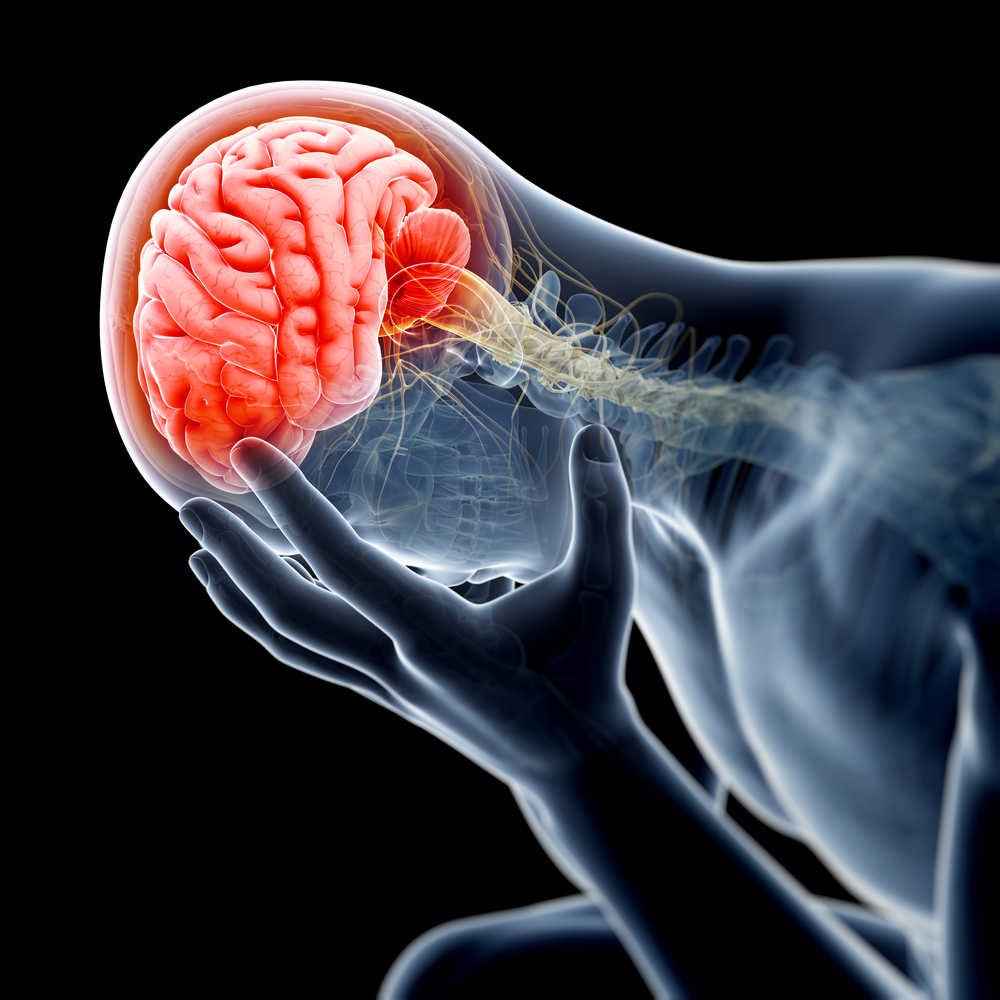
Perhaps the most surprising finding emerged when researchers looked at people who already had dementia at the time the vaccination program began. Traditionally, preventive strategies are thought to have little benefit once dementia is established. This study challenged that assumption.
Among individuals living with dementia, those who received the shingles vaccine were far less likely to die from dementia during the nine-year follow-up period. Nearly half of unvaccinated individuals with dementia died from the disease, compared with roughly 30 percent of those who were vaccinated.
This difference suggests that the vaccine may slow disease progression, extending life expectancy and possibly preserving quality of life for longer. The vaccine was also associated with a reduction in overall mortality among people with dementia, not just deaths specifically attributed to dementia.
These findings imply that the shingles vaccine may influence underlying disease mechanisms rather than simply delaying diagnosis or altering how dementia is recorded in medical systems.
Stronger Effects Observed in Women
One of the most consistent patterns across studies was that the protective effects of the shingles vaccine were stronger in women than in men. Among women, vaccination was associated with larger reductions in new diagnoses of mild cognitive impairment and deaths due to dementia.
There are several possible explanations. Women generally mount stronger immune responses to vaccines, producing higher antibody levels and more robust immune activation. Shingles is also more common in women, which could mean that reducing viral reactivation has a larger impact.
Another possibility is that dementia develops differently in women and men at a biological level. Hormonal factors, genetic differences, and variations in immune function may all play a role. Researchers caution that while effects in men were smaller and not always statistically significant, this does not rule out meaningful benefits for men as well.
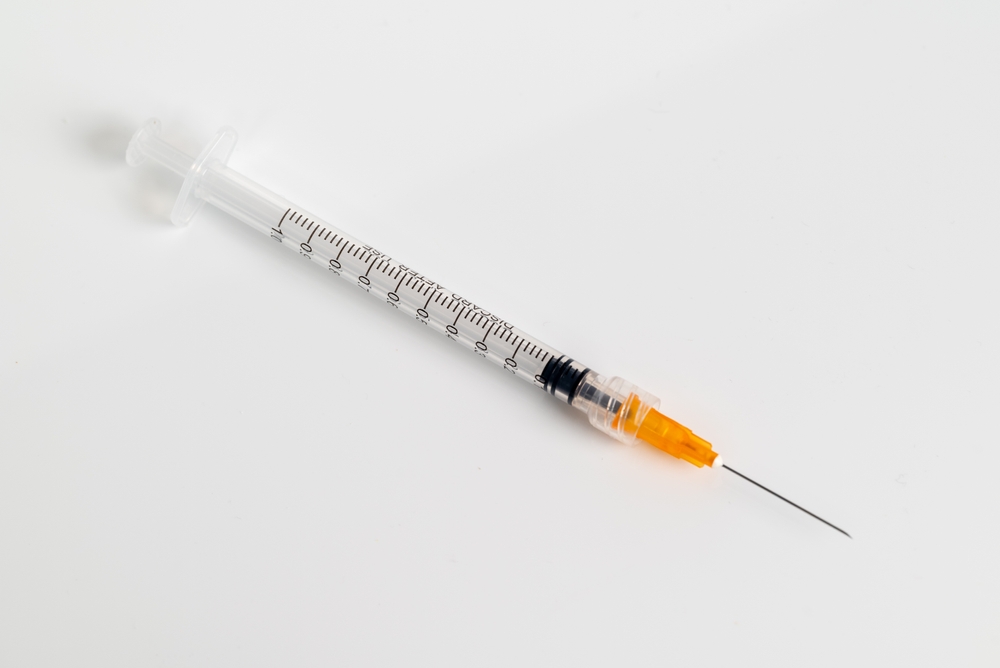
How Could a Vaccine Affect Dementia?
Scientists emphasize that while the evidence for a protective effect is strong, the exact mechanism remains unclear. Several plausible explanations are being explored.
One pathway involves direct viral suppression. By preventing shingles and reducing viral reactivation, the vaccine may limit inflammation in the nervous system and reduce damage to blood vessels in the brain.
Another possibility is a broader immune effect. Vaccines do more than generate antibodies against a specific pathogen. They can also reset or strengthen immune responses more generally, counteracting age-related immune decline. This immune boost could help the body better manage other infections and inflammatory processes that contribute to dementia risk.
There is also evidence that viral infections can trigger reactivation of other latent viruses in the brain. By controlling varicella zoster, the vaccine may indirectly reduce activity of other viruses linked to dementia.
What This Does and Does Not Mean for Public Health
The idea that a common vaccine could influence dementia risk is understandably exciting. Dementia affects more than 55 million people worldwide, with millions of new cases each year. Even a modest reduction in risk could have enormous public health implications.
However, experts caution against oversimplification. The studies primarily examined the live-attenuated shingles vaccine used in earlier vaccination programs. Newer vaccines, such as the recombinant shingles vaccine now widely used in many countries, were not part of these analyses.
While the newer vaccine is more effective at preventing shingles, it is not yet clear whether it offers the same cognitive benefits. Researchers believe it is biologically plausible, but confirmation will require further study.
Importantly, no one is suggesting vaccination solely as a dementia treatment at this stage. The findings are promising but not definitive. Large randomized clinical trials would provide the strongest evidence of cause and effect.

Why This Research Matters Beyond Dementia
These findings are part of a growing recognition that vaccines can have broader health benefits beyond their intended targets. Similar off-target effects have been observed with other vaccines, particularly in older adults.
If confirmed, the shingles vaccine could represent a rare example of a low-cost, widely available intervention that influences a complex neurodegenerative disease. Unlike many experimental treatments, vaccines are already integrated into health systems and have well-established safety profiles.
The research also highlights the importance of creative study design. By taking advantage of real-world policy decisions, scientists were able to answer questions that would otherwise require expensive and lengthy trials.
What Individuals and Families Can Take Away
For individuals and families affected by dementia, this research offers cautious optimism. It reinforces the idea that brain health is closely linked to immune health and that interventions later in life may still have meaningful effects.
Experts continue to emphasize well-established strategies for maintaining cognitive health, including regular physical activity, social engagement, and managing cardiovascular risk factors. Vaccination may one day join this list as another accessible tool.
For now, adults who are eligible for the shingles vaccine should consider it for its proven benefits in preventing a painful and sometimes debilitating illness. Any additional cognitive benefits would be an added bonus, not the sole reason for vaccination. https://www.youtube.com/watch?v=unnePZUqi1o
A Promising Path Forward
The possibility that the shingles vaccine may slow the progression of dementia or even prevent it represents a shift in how scientists think about neurodegenerative disease. It suggests that addressing chronic infections and immune dysfunction could be just as important as targeting proteins in the brain.
Researchers are now calling for further studies, including randomized trials, to confirm these findings and explore whether newer vaccines offer similar protection. If these results hold up, they could reshape prevention strategies for one of the most challenging diseases of our time.
While many questions remain unanswered, the message is clear. Sometimes, the most powerful medical advances come not from entirely new inventions, but from seeing familiar tools in a new light.
Some of the links I post on this site are affiliate links. If you go through them to make a purchase, I will earn a small commission (at no additional cost to you). However, note that I’m recommending these products because of their quality and that I have good experience using them, not because of the commission to be made.


 JOIN OVER
Comments