
How Schizophrenia Turns Inner Thoughts Into Voices the Brain Mistakes as Real
Last updated on
For decades, researchers have tried to understand why people with schizophrenia often hear voices that seem real but come from within their own minds. A new discovery has finally uncovered a major clue. Scientists have confirmed that the brain’s inner communication system, responsible for distinguishing self-generated thoughts from external sounds, malfunctions in schizophrenia. This finding provides critical insight into how the brain confuses inner speech with external voices, offering new hope for better understanding and treatment of this complex mental health disorder. Beyond the immediate neurological explanation, this discovery changes how experts interpret the everyday experiences of those living with schizophrenia. The misfiring of internal brain signals can explain why even simple thoughts may become overwhelming, contributing to heightened stress and confusion. Understanding this process helps bridge the gap between science and empathy, emphasizing that these auditory perceptions are not imagined but arise from tangible changes in the brain’s functioning. The implications of this finding extend into early detection and preventive care. If clinicians can identify disruptions in the brain’s corollary discharge signals before psychotic symptoms emerge, intervention could begin sooner. This may reduce the severity or even delay the onset of schizophrenia in high-risk individuals. Early diagnosis paired with lifestyle support and therapy could transform how the condition is managed across a patient’s lifetime.
The Science Behind the Brain’s “Echo”
Every time you think, speak, or even prepare to say something, your brain sends a signal called a corollary discharge. This signal acts as a built-in “echo,” telling your brain that the sound or thought came from you. It helps your mind separate internal speech, like your thoughts, from actual sounds in the environment. In people with schizophrenia, this signal appears to be disrupted. Instead of recognizing the thought as self-generated, the brain perceives it as an external voice. Recent research from the University of New South Wales revealed that individuals with schizophrenia showed irregularities in how their brains processed this internal feedback system. The team used brain-imaging technology to track auditory responses and discovered that the corollary discharge mechanism was not functioning properly. As a result, the brain “hears” its own internal monologue as if it were coming from an outside source. https://youtu.be/PURvJV2SMso?si=WrucQtyavtGP9PZH This breakthrough helps explain one of schizophrenia’s most puzzling symptoms: auditory hallucinations. Understanding this mechanism gives scientists a clearer view of how disruptions in brain communication can alter perception and reality. It also shifts the focus from purely psychological theories to biological processes that can be measured, studied, and possibly treated. This research represents a turning point in how the medical community views schizophrenia. It shows that auditory hallucinations are not merely a product of imagination but a physiological error in brain signaling, a measurable glitch in the body’s communication system.How the Brain Misinterprets Its Own Thoughts
To understand how this malfunction leads to hearing voices, it helps to think of the brain as a conversation system. In a healthy brain, when you prepare to speak, neurons in the auditory cortex receive a “heads-up” signal predicting the sound of your own voice. This signal suppresses the brain’s response, preventing confusion between internal speech and external sounds. In schizophrenia, that suppression fails to occur. The auditory cortex becomes overly active, responding to self-generated thoughts as if they were external. According to a study published in Proceedings of the National Academy of Sciences, this breakdown in predictive signaling can make a person’s inner voice sound alien or threatening. Over time, this can lead to persistent hallucinations that deeply affect daily life and social interaction.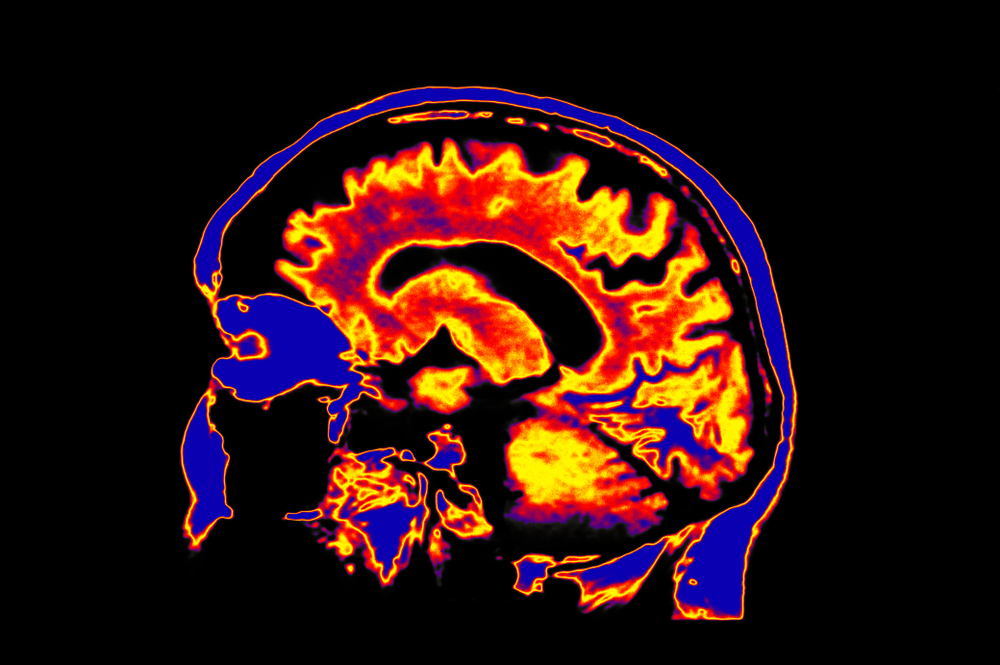
Implications for Mental Health Treatment and Awareness
This discovery opens doors to more personalized and compassionate approaches to treating schizophrenia. By identifying the biological basis of auditory hallucinations, doctors can focus on interventions that specifically address faulty brain communication. This includes advanced therapies such as transcranial magnetic stimulation (TMS) and neurofeedback, which can help reestablish normal signaling patterns. Moreover, the research reinforces that schizophrenia is a medical condition, not a personal failing or purely emotional disorder. It brings scientific validation to what many patients have long known: their experiences are real, tangible outcomes of brain dysfunction, not figments of imagination. This perspective also encourages broader public understanding of mental health conditions. Reducing stigma begins with recognizing that conditions like schizophrenia have neurological underpinnings that can be studied and managed like any other medical disorder. Awareness and empathy are essential in creating supportive communities for those living with schizophrenia. As neuroscience advances, these findings may also influence early screening. Detecting abnormalities in corollary discharge patterns could help identify people at risk before symptoms fully develop, improving outcomes through earlier intervention and care.Supporting Brain Health Naturally
While schizophrenia requires professional medical treatment, maintaining overall brain health supports mental stability and resilience. Daily lifestyle choices can influence brain chemistry, inflammation, and neurotransmitter balance, all of which play a role in mental health. A nutrient-dense diet that includes omega-3 fatty acids, antioxidants, and complex carbohydrates supports optimal brain function. Foods such as walnuts, flaxseeds, and fatty fish promote healthy neural communication and may help reduce inflammation that contributes to mental disorders. Regular physical activity also enhances brain plasticity and mood regulation through the release of endorphins and growth factors.
Why Understanding the Brain Changes How We Heal
This discovery reminds us how complex and delicate the human brain truly is. Schizophrenia’s auditory hallucinations are not a reflection of personal weakness but of disrupted brain communication. The more we understand these processes, the closer we come to developing effective treatments and creating a society that views mental illness with empathy rather than fear. Caring for your brain means treating it as part of your whole-body health. Nutrition, sleep, exercise, and mindfulness all contribute to cognitive strength and emotional stability. Whether or not you are personally affected by schizophrenia, these habits support a healthier mind, body, and sense of self-awareness. Incorporating mental wellness into daily routines can also make a lasting difference in how we approach brain health. Activities like journaling, spending time outdoors, and engaging in meaningful social connections help reduce stress and improve mental clarity. By prioritizing these simple, consistent practices, you can create an environment that supports both emotional and cognitive balance.Some of the links I post on this site are affiliate links. If you go through them to make a purchase, I will earn a small commission (at no additional cost to you). However, note that I’m recommending these products because of their quality and that I have good experience using them, not because of the commission to be made.


 JOIN OVER
Comments