
Breast Cancer Survivors Find a Renewed Path to Peace
Last updated on
Most breast cancer survivors face a peculiar kind of dread. Treatment ends. Scans come back clear. Doctors declare “no evidence of disease.” Yet a persistent question haunts them, sometimes for years or even decades. Will it come back? For roughly 30 percent of survivors, that fear becomes reality. Recurrence strikes without warning, transforming survivorship into a new battle. By that point, the disease has become something far worse. It becomes incurable. A groundbreaking clinical trial now offers something rare in cancer care. It offers real hope against this invisible threat. Researchers have discovered that not only that dormant cancer cells be detected in survivors. More striking still, these cells can be eliminated before they ever wake up to cause harm.Cancer’s Silent Shadow
Breast cancer research has always walked a line between progress and heartbreak. Better screening catches tumors sooner. Treatments grow stronger each year. Survival rates climb steadily upward. Yet that victory comes with a shadow. Many survivors finish their final chemotherapy session only to face an agonizing reality. Nobody can tell them whether they are truly free of cancer. About 30 percent will relapse. When recurrence happens, it becomes a different disease entirely. Unlike the original cancer, recurrent breast cancer remains incurable. Patients must take medicine for the rest of their lives, managing a disease that will not disappear. A team at the University of Pennsylvania’s Abramson Cancer Center set out to change this story. Researchers led by Dr. Angela DeMichele and Dr. Lewis Chodosh wanted to answer one simple question. Could they stop cancer from coming back in the first place? Their answer, published in Nature Medicine, suggests something once thought impossible. Yes, they could.When Sleeper Cells Wake Up
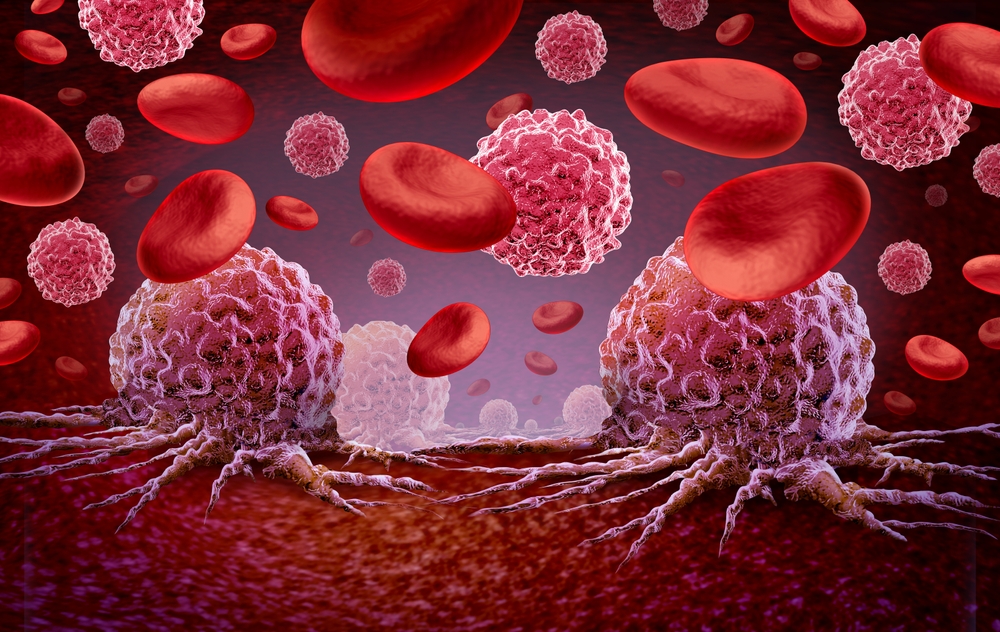
Cancer does not always obey the rules we expect. Sometimes, treatment kills all visible tumors, yet tiny clusters of cells remain. Doctors call these clusters minimal residual disease. Patients call them sleeper cells. Sleeper cells hide in bone marrow, in the bloodstream, in tissues scattered throughout the body. Standard scans cannot find them. Blood tests cannot detect them. Patients feel fine, and their test results look clear. Yet the cells are there, waiting. Years pass. Sometimes decades pass. Then, without warning, these dormant cells awaken. They multiply. They spread. Metastatic breast cancer develops, and by then, the disease has become incurable. Dr. DeMichele explained the burden this places on survivors. “Right now, we just don’t know when or if someone’s cancer will come back—that’s the problem we set out to solve.” Her team wanted survivors to have more than hope. They wanted them to know and, more importantly, options.Different Cancers, Different Clocks
The Biological Weakness Researchers Found
Chodosh’s earlier research revealed something remarkable. Dormant cancer cells are biologically different from active tumors. Active cancer cells divide rapidly. They consume nutrients voraciously. They overwhelm the immune system through sheer force. Traditional cancer drugs work against this aggression. But dormant cells do not behave this way. Dormant cells survive by relying on specific pathways. Autophagy, a kind of cellular recycling, keeps them alive. A signaling pathway called mTOR regulates their growth and metabolism. These cells operate in a sort of hibernation mode. Chodosh explained the significance of this distinction. “Surprisingly, we’ve found that certain drugs that don’t work against actively growing cancers can be very effective against these sleeper cells. This tells us that the biology of dormant tumor cells is very different from active cancer cells.” His research team identified exactly what made dormant cells tick. That knowledge opened a door nobody expected to find.Old Drugs, New Mission

Proof in Mice, Promise for Humans
Before asking human patients to try a new approach, scientists needed evidence from animal models. Chodosh’s team conducted experiments in mice that carried dormant tumor cells similar to those found in breast cancer survivors. Mice received either hydroxychloroquine alone, everolimus alone, or both drugs in combination. Compared to untreated mice, the treated animals showed dramatic improvements. Dormant tumor cell burden dropped sharply. Recurrence-free survival extended significantly. Most surprising was the finding that combination therapy outperformed single agents. Mice receiving both drugs did better than those receiving either drug alone. Researchers knew they had found something worth testing in humans.How the CLEVER Trial Worked

The Results That Changed Expectations
After six to twelve months of treatment, dormant tumor cells cleared in about 80 percent of participants. Researchers had found a way to eliminate the invisible threat. But numbers alone cannot capture what happened next. At 42 months of follow-up, nearly all participants remained cancer-free. Patients who received one drug showed a three-year recurrence-free survival rate above 90 percent. Patients who received both drugs achieved 100 percent recurrence-free survival. Only two patients experienced recurrence across the entire study. For people who had lived with the constant fear of hidden cancer, these numbers felt extraordinary. They felt like hope.Moving Past “Wait and Hope”
Ripple Effects Across Cancer Care
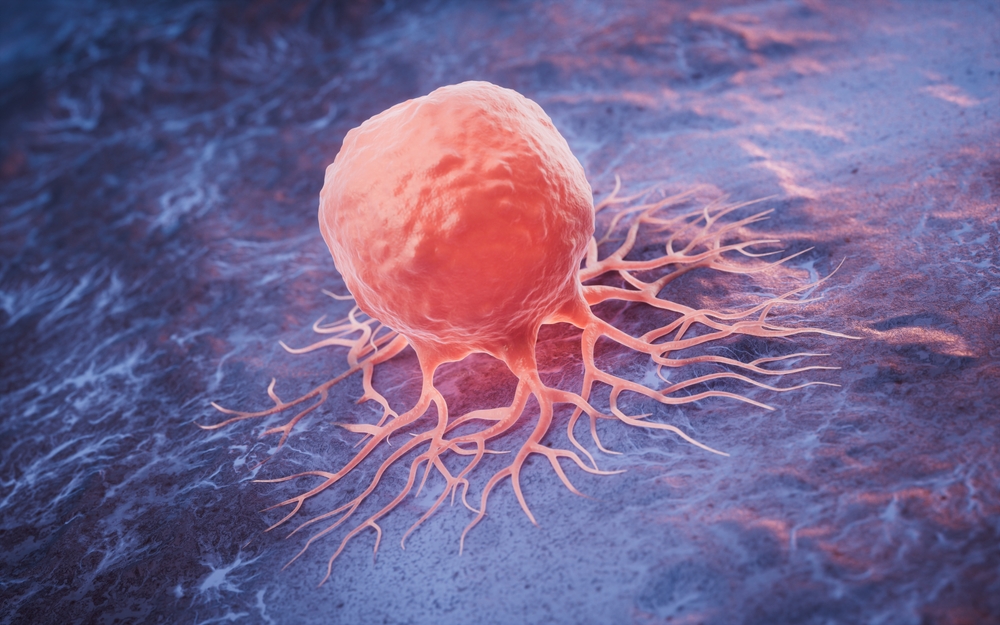
Breast cancer does not hold the monopoly on dormant recurrence. Prostate cancer, ovarian cancer, and melanoma all share similar problems. Survivors face years or decades of uncertainty. Hidden cells remain invisible until they cause metastatic disease. If this strategy works for breast cancer, the same approach might work for other cancers. Detecting dormant cells. Testing them for vulnerability. Treating them before they ever cause harm. Such a shift would change cancer care from managing advanced disease to preventing it entirely.A Future Without Fear’s Shadow
Every cancer survivor knows the peculiar mixture of emotions that comes with finishing treatment. Joy mixes with anxiety. Relief mixes with dread. Survivors have survived, yet survival itself becomes uncertain. This research changes that calculus. By offering survivors a real chance to eliminate the invisible threat of dormant cancer cells, science has done something powerful. It has given survivors more than medicine. It has given them peace. They can ring a final bell. They can hear the words “no evidence of disease.” And for the first time, they might believe it is truly over.Some of the links I post on this site are affiliate links. If you go through them to make a purchase, I will earn a small commission (at no additional cost to you). However, note that I’m recommending these products because of their quality and that I have good experience using them, not because of the commission to be made.


 JOIN OVER
Comments