Presbyopia has been a quiet companion of aging for as long as humans have been reading fine print. It creeps in slowly, often announced by the moment someone has to stretch a menu farther from their face, or when their phone seems to shrink overnight. For generations, the default answer has been reading glasses. Simple, reliable, and universal. Still, many people never quite feel at home with them. Glasses fog up, slip down, or get misplaced. They create an odd layer between you and the world.
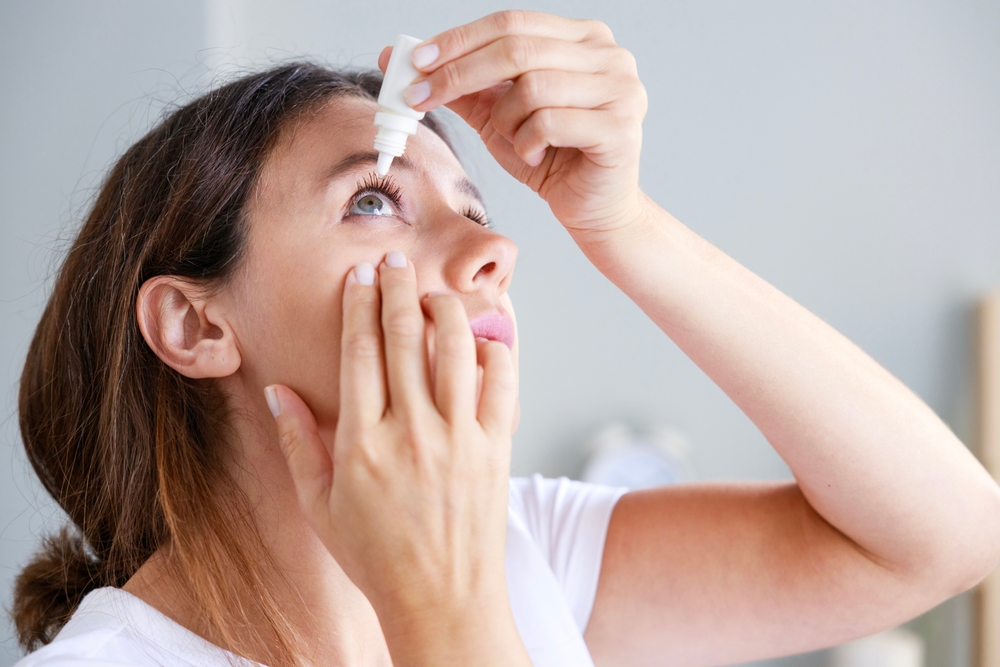
Now science has stepped in with a surprising alternative. VIZZ, a new prescription eye drop, has entered the medical landscape with the potential to let millions of adults see up close without relying on glasses. It is one thing to claim convenience. It is another to back the claim with clinical trials, molecular design, and a growing body of research that suggests this little vial might be the first step toward a new era in vision care. The entire territory invites both scientific curiosity and a deeper reflection on how the body adapts, ages, and possibly rejuvenates through targeted interventions.
The story of VIZZ is not simply a pharmaceutical update. It touches on how we understand visual perception, how the eye focuses, and how subtle biological adjustments can open new possibilities. It also nudges us to contemplate our relationship with aging itself. When a single drop can sharpen the world again, the question becomes larger than eyesight alone. It becomes about what it means to regain clarity in a world that changes as rapidly as we do.
The Science of Near Vision and Why It Fades
To understand why VIZZ is stirring so much attention, it helps to look closely at what presbyopia actually is. The condition appears for most people in their forties. The crystalline lens inside the eye gradually becomes less flexible. This lens is responsible for fine focusing, especially for objects that sit within arm’s reach. When it stiffens, the ciliary muscle that tries to reshape it for close tasks loses effectiveness. Words blur. Threads on fabric merge. Close work takes more effort than it once did.
The traditional fixes are clever but external. Glasses bend light before it enters the eye, helping the lens compensate for its reduced ability to change shape. Contacts use a similar principle. Surgical options reshape the cornea or implant artificial lenses. These methods work well for many people, but they still depend on adding tools rather than altering the focusing mechanism itself.
VIZZ steps into the process from another direction. Instead of trying to mimic what the lens used to do, it changes the way light enters the eye in the first place. This is a subtle but powerful shift. The drop contains a medicine called aceclidine, which encourages the iris to constrict. That smaller pupil creates what scientists call a pinhole effect. The smaller the opening, the greater the depth of field, meaning more of the visual world appears in focus at once. This idea is the same principle behind the tiny aperture settings on a camera. Narrow the opening, sharpen the image.
Why Vizz Stands Out in the Medical Landscape
Aceclidine is not new in the scientific world, but its use for presbyopia is groundbreaking. It sets VIZZ apart from older drops that rely on pilocarpine, which acts more strongly on the muscles that reshape the lens. Pilocarpine can help many users, but it sometimes affects distance vision or comes with a shorter duration of action. Aceclidine focuses more narrowly on the iris, preserving distance vision for most people and providing a sustained window of improved near clarity.
Clinical trials for VIZZ involved hundreds of participants and thousands of days of use. The results were consistent. Most users experienced noticeable improvement in near vision within half an hour. The benefits often lasted up to ten hours, long enough to cover a workday, a long study session, or a full evening of reading and close tasks. The trials also reported no serious treatment related side effects. The most common issues included irritation, mild dimming in low light, and temporary headaches.
This kind of data is powerful because it moves the conversation from possibility to practicality. It means that the method does not only work in theory. It works in daily life, with real people performing real tasks. It also means that the leap from reading glasses to a once a day drop is not just a wish but a supported medical option.
How the Pinhole Effect Changes Perception
It might seem unusual at first that narrowing the pupil can sharpen near vision so dramatically. The mechanism is rooted in optics. When the pupil becomes smaller, less scattered light reaches the retina. The incoming rays become more aligned. This alignment reduces blur rings that normally appear when the eye struggles to focus. What remains is a cleaner, more defined image across a wider range of distances.
The effect is not the same as restoring youthful elasticity to the lens. Science has not yet developed a way to reverse that biological change with a simple drop. Yet the pinhole effect bypasses the problem entirely. Instead of trying to restore the original machine, it optimizes the light entering it. That reframing is a reminder of how many bodily limitations can sometimes be addressed through creative engineering rather than direct repair.
There is something almost poetic about this approach. The eye does not need to be forced into its younger shape. It only needs a wiser way to work with the light it receives. In that sense, VIZZ does not turn back the clock. It redesigns the experience of seeing in a way that suits the present moment of the body.
Comparing Vizz to Earlier Eye Drop Treatments
Before VIZZ appeared, two other prescription drops already existed for presbyopia. These relied on pilocarpine, a compound that stimulates the ciliary muscle to contract more strongly. Pilocarpine based drops can improve near vision, though they often last for shorter periods, around eight or nine hours, and may affect distance vision for some users.
The aceclidine approach in VIZZ sidesteps some of these issues. It directs its action toward the iris without significantly pushing the ciliary muscle. This makes the near vision improvement feel more natural for many users and reduces the chances of blurred distance vision. It also creates a smaller pupil size than earlier drops, which contributes to the longer lasting clarity.
These distinctions may sound subtle, yet in practice they can mean the difference between a drop that feels like a temporary workaround and one that integrates seamlessly into daily routines. The evolution from pilocarpine to aceclidine mirrors a broader pattern in medicine. Early solutions tend to be strong and sometimes heavy handed. Later generations of treatment refine the concept until it becomes both more targeted and more elegant.
Practical Considerations and Safety Insights
Even with promising results, every medical option has guidelines worth understanding. VIZZ is a prescription medication and should be used with a proper eye exam. After applying the drop, vision may dim for a short time, especially in low light. This dimming comes from the smaller pupil and is usually temporary. Activities like driving at night or operating machinery should wait until the vision clears.
People who wear contact lenses need to remove them before using the drop and wait at least ten minutes before putting them back in. If someone uses multiple eye drops, spacing them by a few minutes prevents dilution or interference. Like all eye medications, the tip of the vial should not touch the eye or any surface. Once opened, the single use vial needs to be discarded.
There is also a rare but possible risk of retinal complications with medications that constrict the pupil. That risk is small but real enough that eye doctors recommend a retinal exam before starting the drops. This precaution connects to a deeper truth about vision. For all its sensitivity and complexity, the eye responds well to care when monitored correctly.
Scientific and Spiritual Perspective on Clarity
Science often restores what nature gradually changes, yet there is something symbolically rich about restoring clarity with a drop of liquid. It brings up questions about how perception shapes our experience of life. When near vision grows blurry, people often describe more than physical inconvenience. They talk about losing ease, losing certainty, or feeling the world soften in ways they did not choose. Regaining clarity becomes an emotional experience as much as a visual one.
In spiritual traditions, vision is often used as a metaphor for insight. The ability to focus, to perceive detail, to distinguish subtlety, becomes a metaphorical parallel to understanding one’s inner life. The arrival of VIZZ does not just restore the ability to read without glasses. It reminds us that clarity is something the body can still offer, even after years of gradual change. The idea that the eye can adapt, with just a touch of biochemical encouragement, speaks to a broader theme. Adaptation is not only possible. It is natural.
This intersection of biology and meaning is where science and spirituality often meet. The physical world gives us a tool. The mind gives that tool context. For some, these drops will feel like convenience. For others, they may carry a sense of renewal, a return to simplicity, or even a feeling of empowerment.
The Role of Innovation in Reshaping Aging
Aging is not a problem to solve but a process to understand. Each decade changes the body in ways that reflect lived experience. Yet treatments like VIZZ show that aging does not need to be accepted as an absolute decline. It can be navigated with nuance, intelligence, and creativity. Rather than resisting aging completely, we can refine the parts of it that interfere with living fully.
Eye drops that sharpen near vision may seem like a small improvement in the grand scheme of medical progress. Yet they highlight a shift in how modern medicine approaches aging. Instead of waiting for major interventions like surgery or lens replacement, scientists are experimenting with treatments that are gentle, reversible, and accessible. These approaches preserve autonomy and choice. They acknowledge that the goal is not to become younger but to function with comfort and clarity.
There is a parallel here with larger spiritual ideas about change. In many teachings, clarity does not come from forcing transformation. It comes from small shifts in perception, repeated gently over time. VIZZ works on that same principle. A small drop, a slight narrowing of the pupil, a subtle adjustment, and suddenly the world becomes crisp again.
Where This Innovation May Lead
As research on presbyopia continues, scientists are already exploring future versions of pharmacologic treatments that might last longer or work through different mechanisms. Some aim to soften the lens itself. Others investigate ways to strengthen the ciliary muscle. Still others look to regenerative approaches that may one day restore true accommodation, the original flexing ability of the youthful eye.
VIZZ represents a milestone in that journey. It is not the end point but a clear step forward. By proving that daily drops can reliably improve near vision without major side effects, it opens the door to more advanced formulations. It also shifts public awareness. People who once believed glasses were the only option may now begin asking better questions, seeking new alternatives, and engaging more actively with their eye health.
Science advances in stages, not leaps. Each improvement builds on decades of study and experimentation. VIZZ stands on the shoulders of earlier research and will likely support even greater developments in the future.
Bringing It All Into Focus
The arrival of VIZZ shows how much impact a carefully designed medicine can have. It blends optical physics, ocular biology, and pharmaceutical innovation into a simple routine that can change how millions of adults navigate daily life. It delivers long lasting near clarity without glasses and does so through a mechanism that respects both the biology of the eye and the practical needs of modern living.
Beyond the clinical data, this development invites a broader contemplation. Clarity, whether visual or emotional, is not only about reversing loss. It is about finding new ways to engage with the world as it is. Aging brings change, but not all change needs to limit us. Some change simply asks for a fresh perspective. A single drop that sharpens near vision becomes a reminder of how quickly perception can shift, and how science continues to offer pathways toward greater comfort and understanding.
As researchers continue to refine treatments for presbyopia, the story of VIZZ marks a moment where innovation, insight, and simplicity converge. It stands as one more example of how the human body can be supported in ways that feel intuitive rather than disruptive. The future of vision care is not just brighter. It is clearer, and it begins with something as small as a drop of liquid and a willingness to see the world anew.
Some of the links I post on this site are affiliate links. If you go through them to make a purchase, I will earn a small commission (at no additional cost to you). However, note that I’m recommending these products because of their quality and that I have good experience using them, not because of the commission to be made.





 JOIN OVER
Comments