Muraoka, A., Suzuki, M., Hamaguchi, T., Watanabe, S., Iijima, K., Murofushi, Y., Shinjo, K., Osuka, S., Hariyama, Y., Ito, M., Ohno, K., Kiyono, T., Kyo, S., Iwase, A., Kikkawa, F., Kajiyama, H., & Kondo, Y. (2023b). Fusobacterium infection facilitates the development of endometriosis through the phenotypic transition of endometrial fibroblasts. Science Translational Medicine, 15(700), eadd1531. https://doi.org/10.1126/scitranslmed.add1531
Endometriosis has long been a medical mystery, leaving millions of women to navigate a maze of chronic pain with treatments that often force a difficult choice between relief and fertility. This status quo of hormonal suppression and invasive surgeries may finally be crumbling. New research challenges the traditional understanding of the disease, pointing to a surprisingly common bacterial culprit and raising the possibility of a cure that treats the cause rather than just the symptoms.
The Link Between Bacteria and Endometriosis
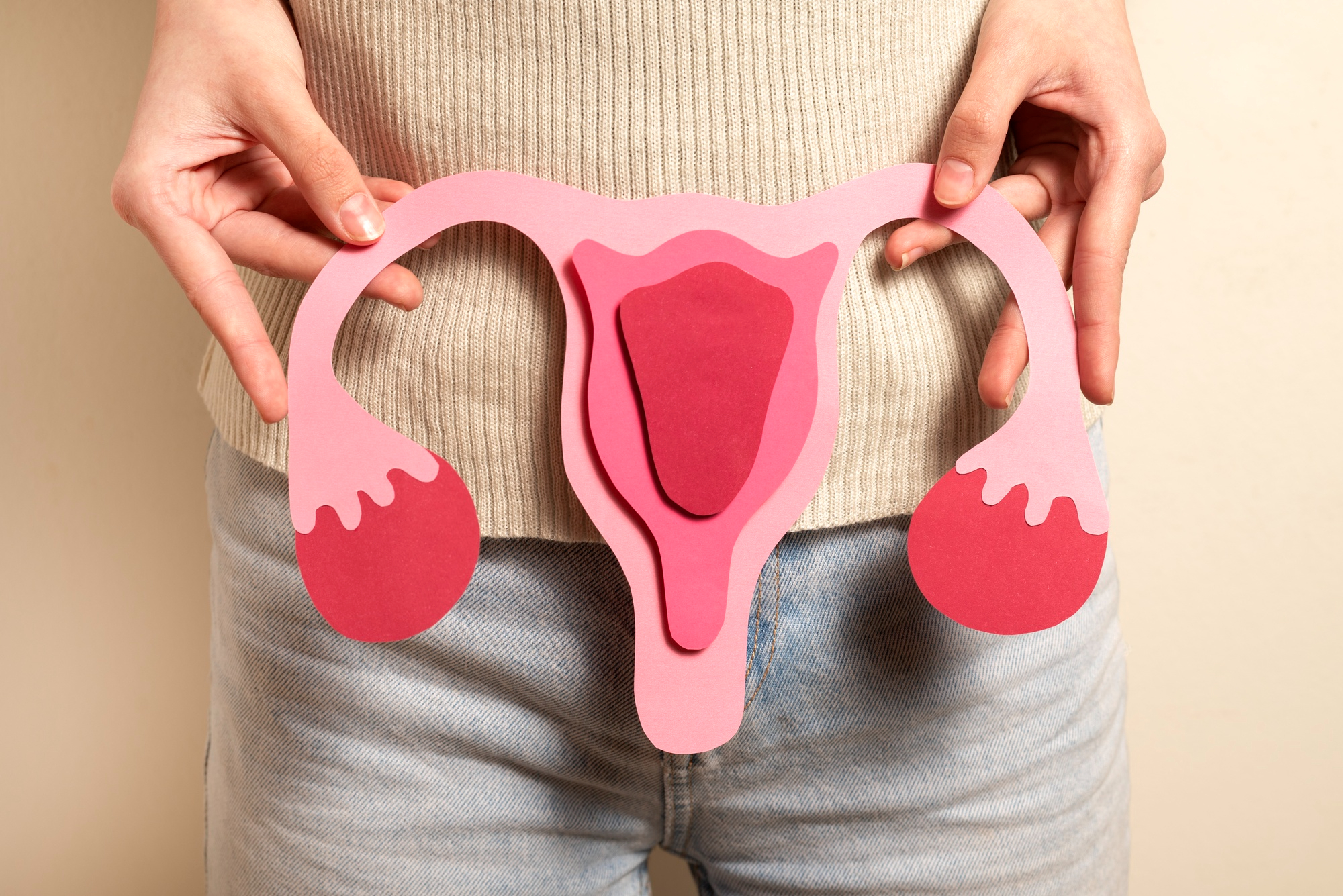
Endometriosis affects roughly one in 10 women of reproductive age, often causing debilitating pelvic pain and infertility. Despite its prevalence, patients frequently face an agonizing eight-year delay in diagnosis. For decades, the leading theory for the cause has been “retrograde menstruation,” where menstrual blood flows backward into the pelvic cavity. However, this theory has a significant flaw: while many women experience retrograde menstruation, only a fraction develop endometriosis. This discrepancy has puzzled the medical community, suggesting a missing piece in the puzzle.
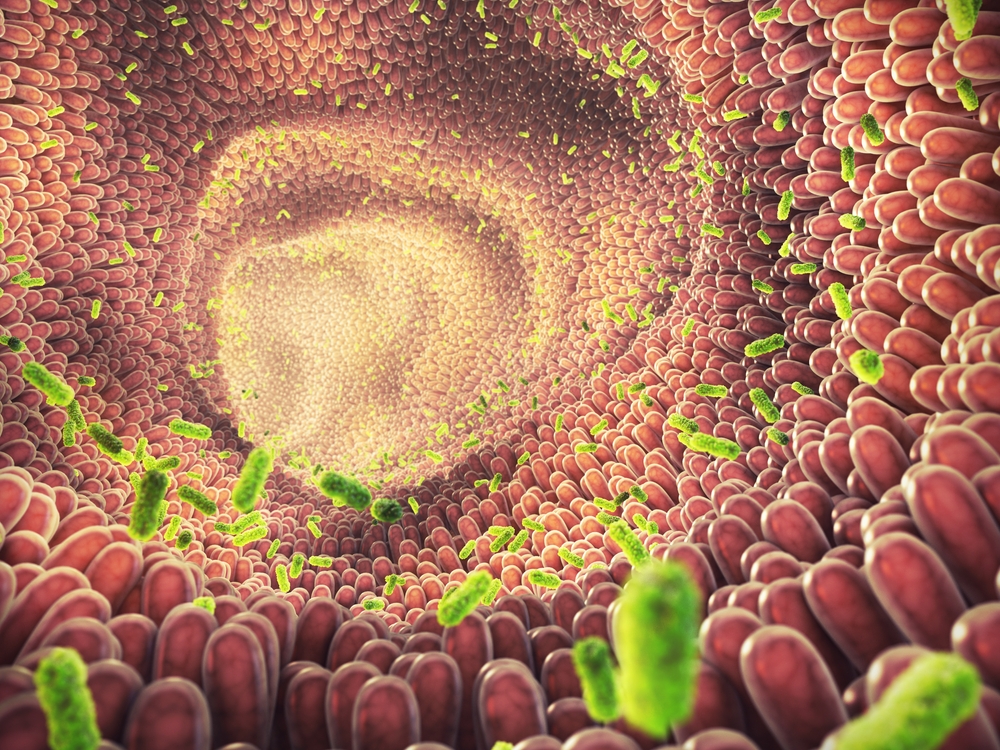
A breakthrough study from Nagoya University in Japan provides a compelling answer. Led by Professor Yutaka Kondo and Assistant Professor Ayako Muraoka, the research team identified a specific bacterial infection, Fusobacterium, as a likely culprit. In their analysis of tissue samples from 155 women, they found that 64% of patients with endometriosis carried this bacterium in their uterine lining. In sharp contrast, fewer than 10% of the healthy control group tested positive.
This finding suggests that bacterial infection may be the key event that triggers the disease in susceptible individuals. Professor Kondo highlighted the significance of this shift, stating, “Our data provide a strong and novel rationale for targeting Fusobacterium as a non-hormonal antibiotic-based treatment for endometriosis.” This discovery fundamentally changes the conversation, moving the focus from purely hormonal management to potentially treating the root cause with antibiotics.
How Bacteria Drives the Disease
The researchers went beyond simple identification to map out exactly how Fusobacterium promotes the development of endometriosis. The process begins with the body’s own immune system. When the bacteria infiltrate the uterus, they trigger an immune response from macrophages, the cells tasked with detecting and eliminating harmful invaders. In an attempt to fight the infection, these activated macrophages release a signaling protein known as transforming growth factor beta (TGF-β).
This immune signaling sets off a destructive chain reaction. The release of TGF-β stimulates quiescent (dormant) fibroblasts in the endometrium to transform into transgelin (TAGLN)-positive myofibroblasts. Unlike their dormant counterparts, these myofibroblasts are active and aggressive. They gain the ability to proliferate rapidly, adhere to other tissues, and migrate. This cellular transformation is critical because it provides the physical mechanism for endometrial tissue to escape the uterus, attach to the pelvic lining or ovaries, and grow into painful lesions.
To verify this “Fusobacterium-TAGLN-endometriosis axis,” the team utilized a mouse model. Since mice do not naturally menstruate or form spontaneous endometrial lesions, the researchers transplanted endometrial tissue into the abdominal cavities of the animals. The results were conclusive: mice inoculated with Fusobacterium developed significantly more abundant and heavier lesions compared to the uninfected group. This experimental evidence confirms that the presence of the bacteria does not merely correlate with the disease but actively drives the progression and severity of the lesions through this specific inflammatory pathway.
A Potential Cure: Antibiotics Over Hormones
Current treatment options for endometriosis are often limited and frustrating. Standard care typically relies on hormonal therapies to suppress menstruation and manage symptoms. While effective for pain management, these treatments prevent ovulation, making them unsuitable for women actively trying to conceive. Surgery to remove lesions is the primary alternative, yet it is invasive, carries recovery risks, and often sees the disease recur within a few years.
The discovery of Fusobacterium opens the door to a targeted, non-hormonal treatment strategy. In the animal trials, researchers administered antibiotics—specifically metronidazole or chloramphenicol—vaginally to the infected mice. The results were striking: the antibiotic treatment largely prevented the development of endometriosis and significantly reduced the number and weight of established lesions.
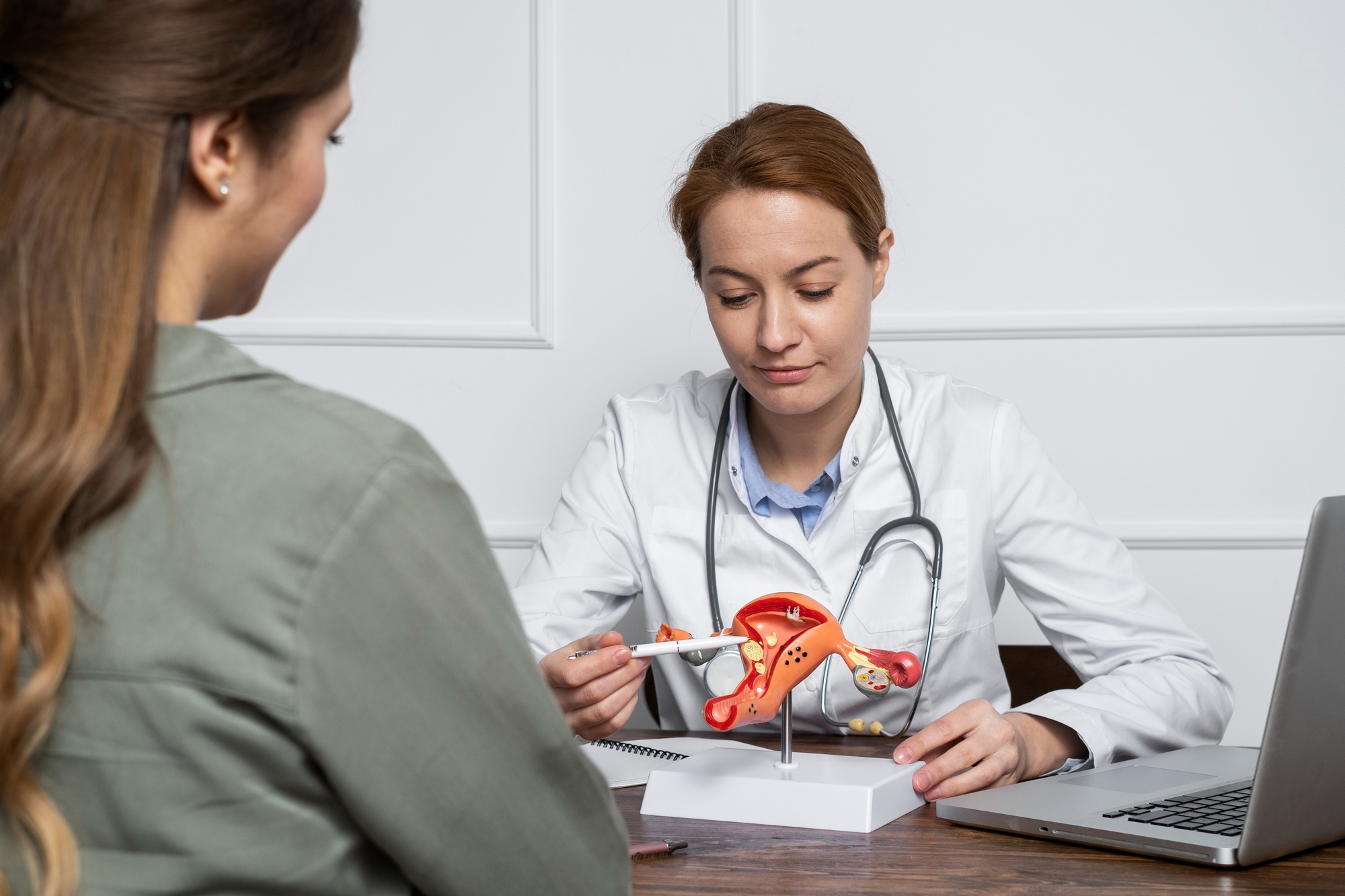
This approach targets the root cause—the bacterial infection—rather than just masking symptoms. For patients, this could mean a treatment that alleviates pain and reduces lesions without interfering with fertility. Clinical trials are already underway at Nagoya University Hospital to test this antibiotic protocol on human patients. If successful, this could revolutionize care, offering a much-needed option for those who cannot use hormonal treatments or are actively seeking pregnancy.
The Path Forward: Validating the Findings
While the results are promising, the research is still in its early stages. A significant portion of the data relies on mouse models. As noted by researchers, mice do not naturally menstruate or form spontaneous endometrial lesions, meaning they are not perfect replicas of human biology. The success observed in the lab must now be replicated in large-scale human clinical trials to ensure safety and efficacy.
Additionally, the study’s scope requires expansion. The initial analysis focused on patients at Japanese hospitals. To confirm Fusobacterium as a universal target, scientists need to test the association in a more ethnically diverse population. Verifying these findings across different genetics and demographics is crucial to determine if this treatment will work for the wider endometriosis community.
It is also important to note that this treatment may not apply to everyone. The study found Fusobacterium in 64% of endometriosis patients, meaning roughly a third of cases might be driven by other factors. Nevertheless, identifying a clear bacterial cause for the majority of cases offers a concrete target for drug development, moving the field beyond symptom management toward actual eradication of the disease driver.
A New Paradigm for Women’s Health
This discovery feels like a breath of fresh air for the millions of women living with endometriosis. For years, the journey has been filled with unanswered questions and treatments that force a difficult choice between managing pain and planning for a family. Knowing that a specific bacterium might be the cause offers a deep sense of validation. It confirms that the pain is real and biological, not something “all in your head” or just “part of being a woman.”
The possibility of a non-hormonal cure changes everything. It paints a picture of a future where you do not have to put your life or your fertility on hold to find relief. While we wait for clinical trials to finish, the message is loud and clear: science is listening. The era of overlooking chronic pelvic pain is coming to an end.
Keep this research on your radar. Share it with your friends, family, and doctors. Your voice matters in pushing these advancements from the lab to the clinic. We are standing on the edge of a new chapter where a simple antibiotic treatment could give women back their lives.
Source:
Muraoka, A., Suzuki, M., Hamaguchi, T., Watanabe, S., Iijima, K., Murofushi, Y., Shinjo, K., Osuka, S., Hariyama, Y., Ito, M., Ohno, K., Kiyono, T., Kyo, S., Iwase, A., Kikkawa, F., Kajiyama, H., & Kondo, Y. (2023b). Fusobacterium infection facilitates the development of endometriosis through the phenotypic transition of endometrial fibroblasts. Science Translational Medicine, 15(700), eadd1531. https://doi.org/10.1126/scitranslmed.add1531
Some of the links I post on this site are affiliate links. If you go through them to make a purchase, I will earn a small commission (at no additional cost to you). However, note that I’m recommending these products because of their quality and that I have good experience using them, not because of the commission to be made.






 JOIN OVER
Comments