
Trump Weighs Softer Cannabis Laws as Doctors Warn of a Serious Side Effect

Last updated on

Cannabis is often talked about as either harmless and natural or dangerous and addictive, with very little space in between. Now, a possible shift in U.S. law under Donald Trump is colliding with reports of a little-known condition in some long-term users that turns a source of comfort into episodes of severe sickness. As the politics heat up and more people experiment with stronger products, the real question quietly emerges: what does all of this actually mean for the human body using it?

What “Law Change” Is Trump Actually Talking About?

When Trump talks about a “major” change to cannabis law, he isn’t promising full legalization. The key shift he has floated is reclassifying marijuana under federal law. Right now, cannabis is listed as a Schedule I drug — the strictest category, alongside heroin and LSD — which officially means it has “no accepted medical use” and a high potential for abuse. At a recent press conference, Trump said his administration is “looking at reclassification” and would make a determination “over the next few weeks,” calling cannabis “a very complicated subject. Reclassifying it to a lower schedule, such as Schedule III, would acknowledge medical use and could make research and prescribing easier, without automatically legalizing recreational use nationwide. This fits a long-running pattern in his comments. On the campaign trail, Trump repeatedly backed medical marijuana “100 percent,” while sounding wary of recreational markets like Colorado’s and insisting the country should “see what the medical effects are” before moving further. He has also framed legalization as primarily a state decision, saying states that vote for it should be allowed to proceed, even if “there’s a question as to how it’s all working out there.” In other words, the “law change” Trump is now entertaining is a technical but significant move: softening cannabis’s federal status, especially for medical use, while leaving broader legalization fights largely to the states.

Trump’s Cautious, Contradictory History With Cannabis
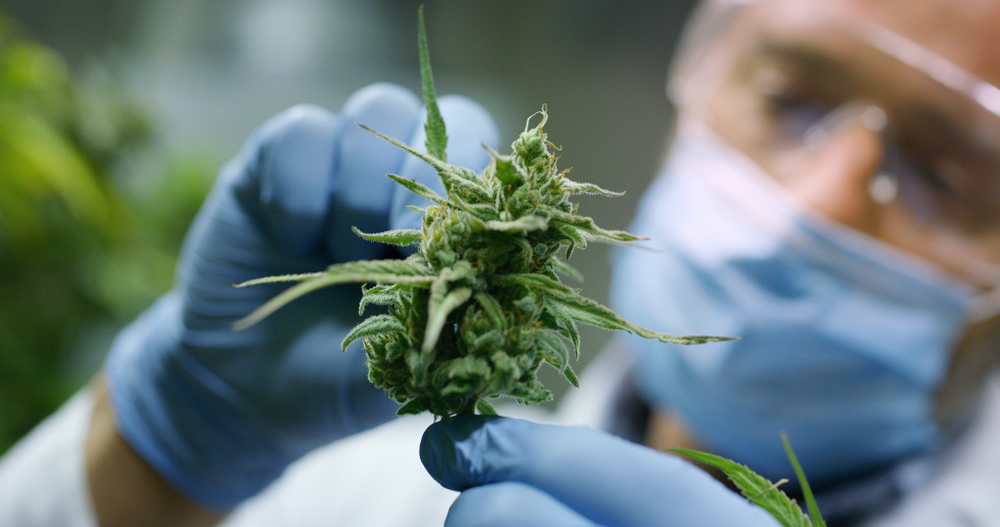
Trump’s current talk of changing federal cannabis law doesn’t come out of nowhere. For years, his comments on marijuana have walked a careful line: supportive of medical use, skeptical of recreational markets, and keen to push responsibility back onto individual states. On the campaign trail, he repeatedly framed medical cannabis as a legitimate tool, saying he was “in favor of it a hundred percent” for people with “serious problems” who found real relief. At the same time, he cast doubt on wider legalization, calling Colorado’s recreational experiment “a real problem” and claiming there were emerging concerns about “illness” and what marijuana might be doing to “the brain and the mind.” Rather than setting out a clear national vision, Trump often fell back on a states’ rights argument: if voters in places like Colorado backed legalization, he suggested, that choice should generally be respected, even while warning that things were “not going exactly trouble-free.”
https://www.youtube.com/watch?v=vnr8re8B2ek
This mix of openness and alarm is important context for his latest remarks. Any move to reclassify cannabis federally is likely to be framed not as an endorsement of widespread recreational use, but as an attempt to reconcile medical benefits with lingering fears about long-term harms.

The Little-Known Condition Behind the New Health Warning

The renewed focus on Trump’s cannabis stance comes as doctors highlight a disturbing but often overlooked condition linked to heavy, long-term use: cannabis hyperemesis syndrome (CHS). First described in medical literature in the early 2000s, CHS is a pattern of severe, repeated vomiting and abdominal pain in people who use cannabis regularly over months or years. Many patients say they once used marijuana to ease nausea, only to later find it worsening their symptoms. Emergency physician Dr. Chris Buresh has treated people who believed cannabis was harmless, even therapeutic, until something suddenly changed. Some report using marijuana without problems “for decades” before hitting a personal threshold and developing intense bouts of vomiting that can lead to dehydration and repeated hospital visits. For reasons that are still not fully understood, even relatively small amounts can trigger attacks once someone becomes vulnerable.
CHS appears to be rare compared to the number of cannabis users overall, but clinicians say cases are rising as use becomes more common and products grow more potent. The condition also tends to be misdiagnosed as food poisoning, stomach flu, or anxiety until a pattern of heavy cannabis use emerges. For people living in states where marijuana is promoted as a safer alternative to opioids or alcohol, hearing that a minority of users can experience such extreme reactions complicates the narrative—and adds urgency to debates over how the drug is regulated and discussed.

How New Health Warnings Complicate Softer Cannabis Laws

Trump’s openness to easing federal cannabis rules is emerging at the same time doctors are sounding the alarm about conditions like cannabis hyperemesis syndrome. That tension matters. It means the next phase of U.S. cannabis policy will not just be about criminal justice or business opportunities, but about how honestly the country confronts health risks. Studies suggest emergency department encounters for CHS have risen sharply as cannabis use has expanded. One recent analysis found CHS-related visits in U.S. hospitals increased several-fold over recent years, even as overall vomiting syndromes declined. Clinicians also report that many patients arrive after years of use with no obvious problems, which makes the diagnosis harder to accept and easier to miss. At the same time, CHS remains relatively uncommon compared with the total number of people who consume cannabis. Authoritative reviews emphasize that it mainly affects long-term, frequent users and that symptoms usually resolve once cannabis use stops.
For policymakers, this creates a delicate balance. Reclassifying cannabis could expand legitimate medical research and help patients who benefit from it. But ignoring CHS and other emerging harms would risk repeating past mistakes made with opioids and tobacco, where enthusiasm outpaced evidence. The real question is whether any legal change will be paired with clear education: honest information about who is most at risk, what warning signs to watch for, and the fact that “natural” does not automatically mean “risk-free.”

The Double-Edged Leaf: Cannabis, Awareness, and Real-World Consequences

For most people, cannabis is not a political talking point. It is a friend’s coping tool, a partner’s sleep aid, or something a loved one quietly uses for pain when other options feel worse. That is why debates about Trump, federal schedules, and state laws eventually land at the same place: real lives, real bodies. A looser law will not automatically make cannabis safe, just as a stricter law does not erase the relief some people genuinely feel from medical use. The stories of cannabis hyperemesis syndrome are a reminder that the same substance that soothes one person can make another desperately ill, especially when use is heavy and long term. For anyone who uses cannabis or cares about someone who does, the most practical step is awareness. Noticing patterns — how often it is used, how strong it is, whether new symptoms like persistent nausea or stomach pain appear — can be the difference between dismissing a problem and catching it early. Ultimately, this moment is an invitation to move past slogans. Instead of “miracle cure” or “dangerous drug,” the more helpful question is: What is this actually doing in a specific person’s life — and what needs to change for them to be safer, healthier, and truly informed?

Some of the links I post on this site are affiliate links. If you go through them to make a purchase, I will earn a small commission (at no additional cost to you). However, note that I’m recommending these products because of their quality and that I have good experience using them, not because of the commission to be made.

About Juicing For Health

Loading...

Comments

Leave a Reply

XHTML: You can use these tags: