
Toxic Hammerhead Worm Invades Texas Triggering Warnings Across the State
Last updated on
Texas has been dealing with droughts, heat waves, hurricanes and the regular lineup of nature’s chaos for as long as anyone can remember. But nothing quite prepares you for the moment your neighbors start whispering about a long, slick, snake like creature sliding across driveways after storms. A creature that dissolves earthworms, regenerates when chopped apart and coats itself in the same neurotoxin found in pufferfish. It sounds like an urban legend meant to scare kids away from puddles, yet it is happening right now across North Texas. The hammerhead worm is turning into one of the region’s most unsettling invasive species stories in years. These alien looking flatworms, native to Southeast Asia, have been spotted in growing numbers following weeks of heavy rain. Local officials, scientists and environmental groups are raising alarms, warning people not to squish the worms and not to touch them with bare hands. The situation is stranger and more complex than the short clips circulating on social media. Behind every slimy trail in a garden bed or patio lies a deeper concern about soil health, climate change and the way invasive species take advantage of shifting environmental conditions. This worm is not just a backyard curiosity. It is a potential disruptor of the underground world that keeps Texas ecosystems alive.The Unexpected Visitor That Slipped Into Texas
Hammerhead worms were never meant to shape the ecology of North America. Their homeland stretches across the humid, tropical regions of Southeast Asia, where dense forests and steady rainfall support the moist habitats these flatworms love. They arrived in the United States the way many invasive species do, quietly slipping into horticultural shipments and greenhouse materials. Historical evidence shows they were already widespread in American greenhouses over a century ago. Early twentieth century zoology classes in New Orleans used them as teaching specimens because they had become so plentiful. Once they entered the plant trade, they moved from greenhouse to greenhouse, eventually hitching rides into the landscaping industry.A Creature That Breaks the Rules of Normal Biology

The Pufferfish Poison Hidden in Their Slime
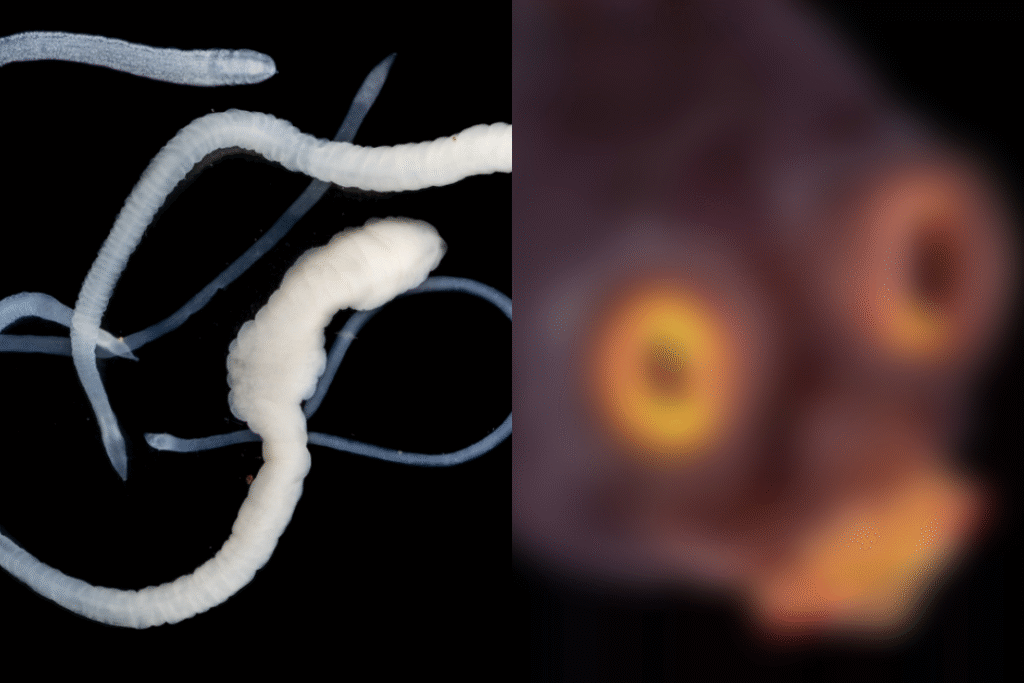
Eating the Earthworms That Keep Texas Soil Alive
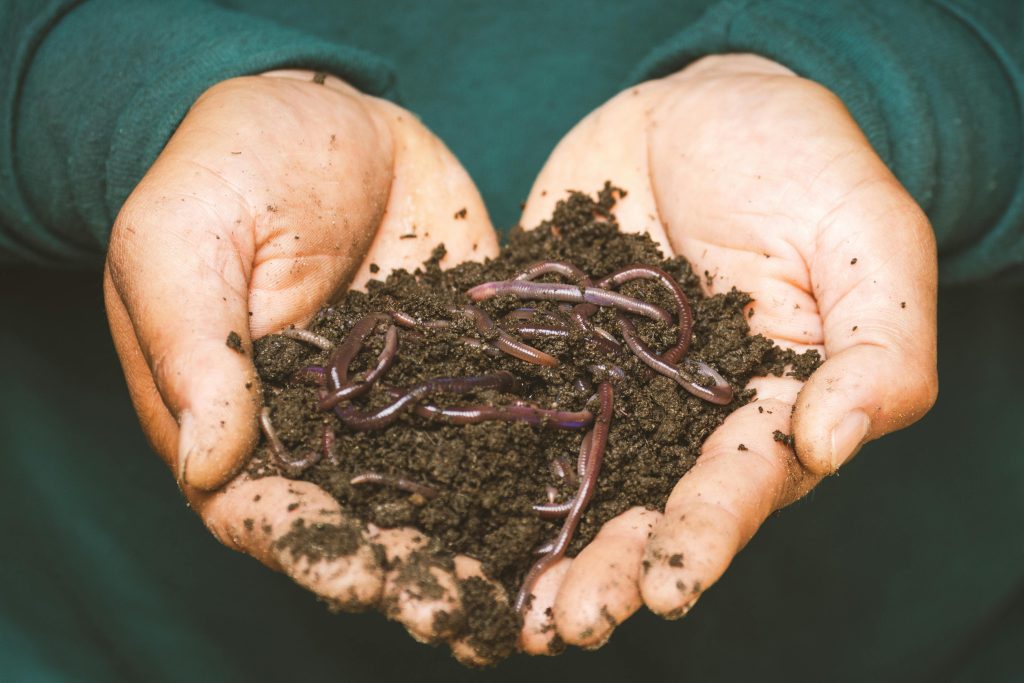
Climate Change and the Perfect Storm for Their Spread
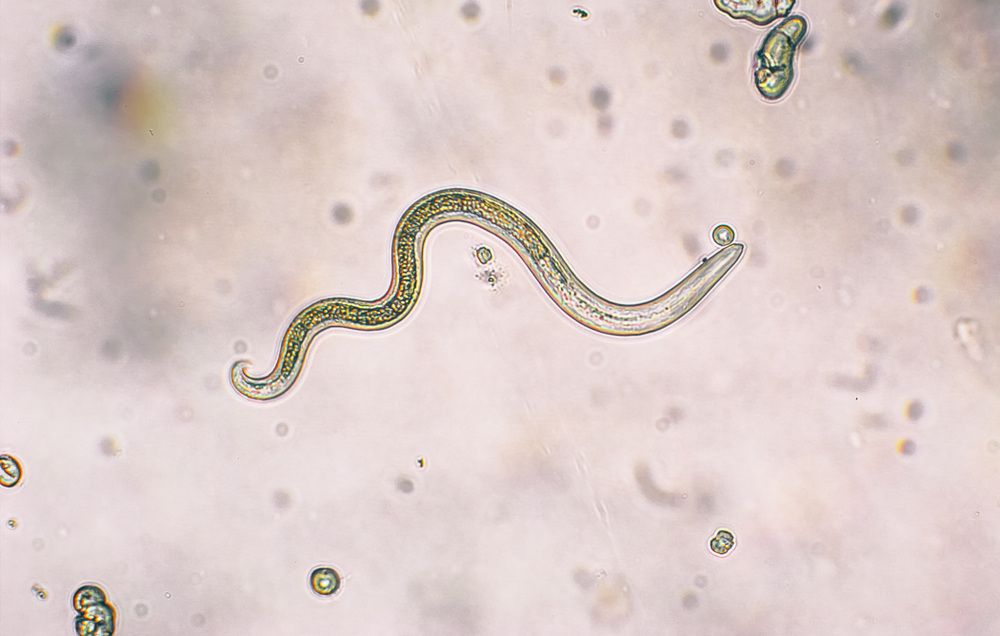
The Human Role in Their Movement
Invasive species often rely on human behavior more than nature. Hammerhead worms move only short distances on their own. Their real travel happens when people move soil. Transporting potting mixes to a new home, dropping yard waste in a wooded area, importing mulch from another county, buying plants from out of town nurseries, all of these actions carry the risk of moving a worm or its eggs. This is why experts are asking residents to avoid transporting soil between communities unless necessary. Something as simple as a potted plant exchange between friends can accidentally introduce hammerhead worms into a neighborhood that had none before. Waste disposal habits matter as well. Dumping soil or mulch in natural areas introduces these worms directly into ecosystems where they can spread undetected.
How To Safely Remove a Hammerhead Worm
Handling these worms requires calm and careful steps. Texas officials are emphasizing one instruction above all others. Do not cut or crush the worm. This defeats the purpose of removal and multiplies the problem. Experts recommend several safe methods. A plastic bag and a freezer remain the preferred approach. Place the worm into a sealed bag using gloves or a tool, then freeze it for forty eight hours. This guarantees the worm cannot regenerate. For immediate neutralization, citrus oil, salt or vinegar can be applied directly to the worm. These substances dissolve the worm’s tissues. Even in these cases, placing the remains in a sealed bag is important because pieces can sometimes still move if not fully destroyed. Never handle the worm with bare hands. Even though the toxin typically does not penetrate skin deeply, irritation is possible and hygiene matters. Officials are also urging residents to report sightings through state invasive species hotlines or online reporting forms. Mapping the worms’ spread gives researchers critical data for understanding the scale of the invasion.
The Bigger Picture Behind This Creeping Invasion
The hammerhead worm issue is part of a broader environmental story unfolding across Texas. As weather patterns shift and global shipping becomes faster and more interconnected, the state becomes increasingly vulnerable to species that were never meant to exist here. These worms highlight the fragility of soil systems that usually go unnoticed. People tend to think of environmental threats as large and dramatic. Hurricanes. Wildfires. Floods. But sometimes the threats are small, quiet and hidden beneath leaf litter. The flatworm invasion also challenges local communities to rethink how they manage gardens, compost piles and landscaping materials. Sustainable gardening practices now need to include vigilance for invasive soil organisms. Most importantly, this story underscores how climate pressures and human movement combine to create openings for species that adapt quickly.A Chance to Learn and Prepare
Texas residents are learning about hammerhead worms in real time. While the invasion is unsettling, it offers an opportunity to strengthen community awareness and environmental resilience. People can learn to recognize the worms quickly. They can adopt safe handling practices. Gardeners can monitor soil health and watch for signs of declining earthworm activity. Local governments can share updated guidance as research advances. In the long term, this incident may encourage deeper conversations about how Texas prepares for future invasive species and how climate change influences biological invasions. The hammerhead worm may not be the most terrifying organism on earth, but its arrival is a pointed reminder that ecosystems depend on countless small interactions. When something disrupts those interactions, the effects ripple outward in ways we cannot always predict. The more Texans learn about this unusual invader, the better equipped they become to protect their soil, their gardens and the natural spaces that define the state.Some of the links I post on this site are affiliate links. If you go through them to make a purchase, I will earn a small commission (at no additional cost to you). However, note that I’m recommending these products because of their quality and that I have good experience using them, not because of the commission to be made.


 JOIN OVER
Comments