
The Surprising Link Between Leg Strength and Brain Health
Last updated on
For decades, modern wellness culture has separated the body and mind into two distinct arenas, as if muscles belonged to the gym and intelligence belonged to the library. Yet emerging research from neuroscience, kinesiology, and even epigenetics suggests these worlds are far more interconnected than we once believed. One of the most surprising revelations from recent studies is the profound relationship between leg strength and brain health, especially in women. Far from being an accidental correlation, this link offers a window into how the body communicates with the brain in ways that support memory, resilience, and long-term cognitive vitality. The idea that stronger legs can predict better brain aging feels both intuitive and revolutionary. Intuitive because movement has always been a core aspect of human survival and identity. Revolutionary because the studies identifying this connection were meticulously designed to remove genetic and environmental noise. They reveal a biological truth that even many scientists did not expect. When women maintain powerful leg muscles, their brains tend to age more gracefully. This finding is supported not only by twin-based longitudinal research but also by a growing body of work on neurogenesis, myokines, and brain plasticity. For Spirit Science readers, this discovery offers more than health advice. It acts as a bridge between ancient wisdom and modern science. Ancient cultures recognized the legs as foundational energy centers tied to grounding, stability, and life force. Modern neuroscience now observes measurable, structural changes in the brain that result from leg-focused movement. When science and spirituality meet on common ground, it becomes easier to understand the deeper story of how the body supports consciousness itself.The Science Behind the Surprising Leg-Brain Connection
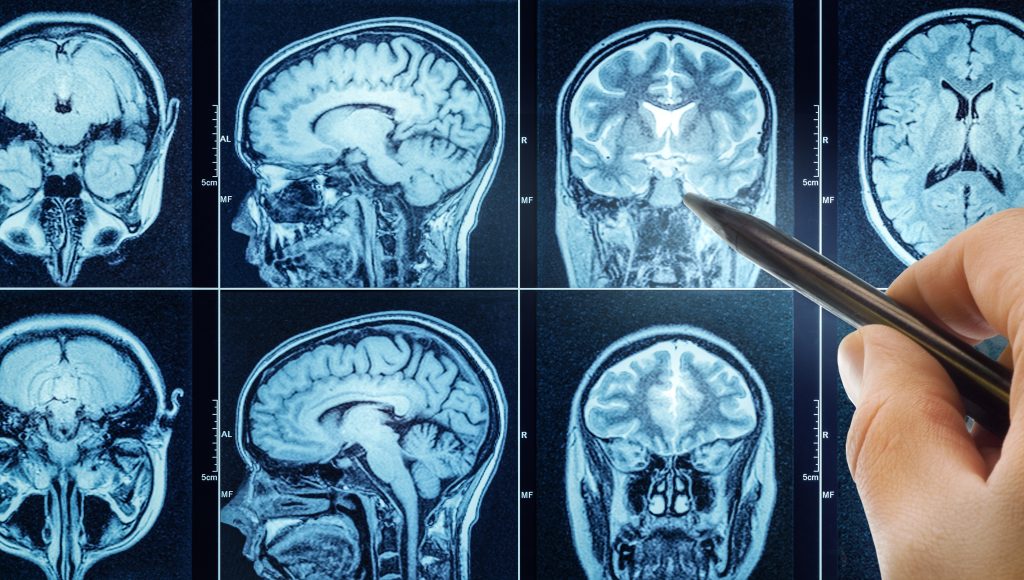
The modern understanding of this connection began with a groundbreaking study from King’s College London that followed more than 160 pairs of older female twins over a decade. The researchers measured leg explosive power at the beginning of the study and compared changes in cognition ten years later. Because twins share genetics and early environment, any differences in cognitive aging could be linked more confidently to physical fitness rather than genetic predisposition. Their findings were striking. Women with stronger legs at the start of the study showed significantly less decline in thinking skills a decade later. They also had larger volumes of grey matter and fewer signs of brain aging. Even within identical twin pairs, the twin with stronger legs consistently demonstrated better cognitive outcomes than her sister.
How Movement Feeds and Shapes the Brain

Neuroplasticity: How Exercise Changes Brain Structure
Why Leg Strength Matters More for Women

Different Types of Exercise and Their Cognitive Benefits

Aerobic training
Activities like walking, jogging, swimming, and cycling increase heart rate and promote blood flow. Aerobic exercise supports working memory, executive function, and long term memory. It also contributes to the growth of new blood vessels in the brain, improving nutrient delivery.Strength training
Resistance exercises, especially involving the legs, stimulate growth factors and promote the release of myokines. This type of training improves associative memory, cognitive flexibility, and structural brain integrity.Coordination based activities
Forms of movement that require balance, precision, or complex timing, such as yoga, tai chi, martial arts, or dancing, challenge the brain’s sensory and motor regions simultaneously. These exercises improve spatial memory, reaction time, and synaptic density.High intensity interval training
HIIT produces rapid spikes in BDNF and can lead to faster improvements in cognitive function. It supports emotional regulation and helps stabilize neurotransmitter levels.Yoga and mind body practices
Yoga influences muscle strength, breath control, and mindfulness. Standing poses build lower body strength while simultaneously engaging attention and proprioception. Research indicates improvements in attention, emotional balance, and hippocampal health. Each category engages different forms of neuroplasticity. A brain healthy exercise routine ideally includes a mixture of these approaches.Healing the Brain Through Movement
Exercise does more than protect the brain. It can also support healing. In cases of stroke, traumatic brain injury, or degenerative disease, physical activity can play a vital role in neurological recovery. When the brain is injured, surviving regions often need to compensate for damaged areas. This process depends heavily on neuroplasticity. Movement stimulates this rewiring, encouraging the brain to create new pathways. Exercise also promotes angiogenesis, the formation of new blood vessels that supply oxygen to recovering tissue. In conditions such as Parkinson’s disease or multiple sclerosis, movement improves mobility, coordination, and mood. It slows the progression of symptoms and helps maintain quality of life. Importantly, healing is not limited to overt injuries. Chronic stress, emotional trauma, and long periods of inactivity can also impair neural function. Movement helps regulate stress hormones, clear metabolic waste, and restore a sense of grounded presence.
How to Build Leg Strength for Brain Health
Strengthening the legs does not require a gym or complex equipment. What matters most is consistency, gradual progression, and covering the major muscle groups of the lower body. Foundational exercises: Squats, lunges, deadlifts, hip thrusts, and step ups train the quadriceps, hamstrings, glutes, and hips. These movements build strength, improve mobility, and support pelvic stability. Plyometric movements: Once a baseline of strength exists, adding power based exercises like pop squats, jumping lunges, or tuck jumps builds fast-twitch muscle fibers. These fibers produce the lactate that supports brain energy. Yoga standing poses: Warrior poses, chair pose, tree pose, and half moon pose develop strength, balance, and concentration simultaneously. These movements stimulate the nervous system while grounding the body. Walking and stair climbing: Even simple daily activities contribute meaningfully to leg strength and cardiovascular health. Progressive overload: To continue generating benefits, gradually increase intensity. A common guideline is to increase weight or difficulty by no more than ten percent per week. The point is not pushing to exhaustion but activating muscle fibers in ways that encourage growth.Movement as Medicine for the Aging Brain
The emerging science on leg strength and cognitive aging paints a compelling picture of how intertwined the body and mind truly are. Far from being isolated systems, muscle activity, cardiovascular health, metabolism, and neural function form a complex, living network. When women build stronger legs, they are not simply improving their physical fitness. They are nourishing their brains, protecting their future cognitive vitality, and activating deep biological pathways that support memory, clarity, emotional balance, and longevity. This connection aligns beautifully with ancient spiritual principles. In many traditions, the legs are seen as the foundation of physical and energetic stability. They anchor us to the earth, carry us through life, and support our ascent into higher awareness. Modern neuroscience now confirms that this foundation also supports the organ that makes consciousness possible. A lifetime of healthy cognitive function does not depend exclusively on genetics or luck. It can be shaped through movement, intention, and the simple choice to stay active. Every squat, every walk, every rise from the ground becomes a small vote for a healthier brain. If strong legs help create a younger mind, then movement becomes one of the most accessible tools for long term wellbeing. The study that revealed this truth may have surprised scientists, but it echoes something deeper. The body is not separate from the mind. They grow together. They age together. They heal together. And when we move with purpose, they thrive together.Some of the links I post on this site are affiliate links. If you go through them to make a purchase, I will earn a small commission (at no additional cost to you). However, note that I’m recommending these products because of their quality and that I have good experience using them, not because of the commission to be made.


 JOIN OVER
Comments