Human beings are natural storytellers, meaning-makers, pattern seekers. Yet for generations we were told that our brains were largely fixed by adulthood, that our personality, habits, emotional tendencies and even our worldview were essentially set in stone. Today, neuroscience is showing us something radically different. Our brains remain malleable, adaptive and incredibly responsive throughout life. This ability to reshape and reorganize itself is known as neuroplasticity, and it is not only a biological process but also a doorway into understanding personal transformation, emotional healing and the deeper spiritual dimensions of being human.
The idea that focusing on the good can literally shift the architecture of the brain is not poetic metaphor. It reflects decades of research into how neural networks strengthen, weaken and reconfigure based on repeated experiences and focused attention. When you choose to look for the good, especially consciously and consistently, you stimulate neural pathways associated with positive emotions, reward, meaning and resilience. Over time the brain begins to prefer these pathways, making optimism and emotional stability feel more natural and automatic.
This is the quiet magic of neuroplasticity. It shows that transformation is not purely psychological, nor is it purely spiritual. It is mechanical in one sense, yet deeply mystical in another. It bridges the gap between modern neuroscience and ancient practices that taught humanity to train the mind, cultivate presence and direct attention with intention. Meditation, gratitude, mantra, prayer and visualization have always been tools for reshaping consciousness. Today, neuroscience can finally explain why they work.
In this article, we will explore the science of neuroplasticity, how focusing on the good changes the brain, why your habits and lifestyle have more influence than you may realize, and how spiritual insight and scientific understanding meet in this incredible discovery about the power of the human mind.
Understanding Neuroplasticity Through the Lens of Modern Science
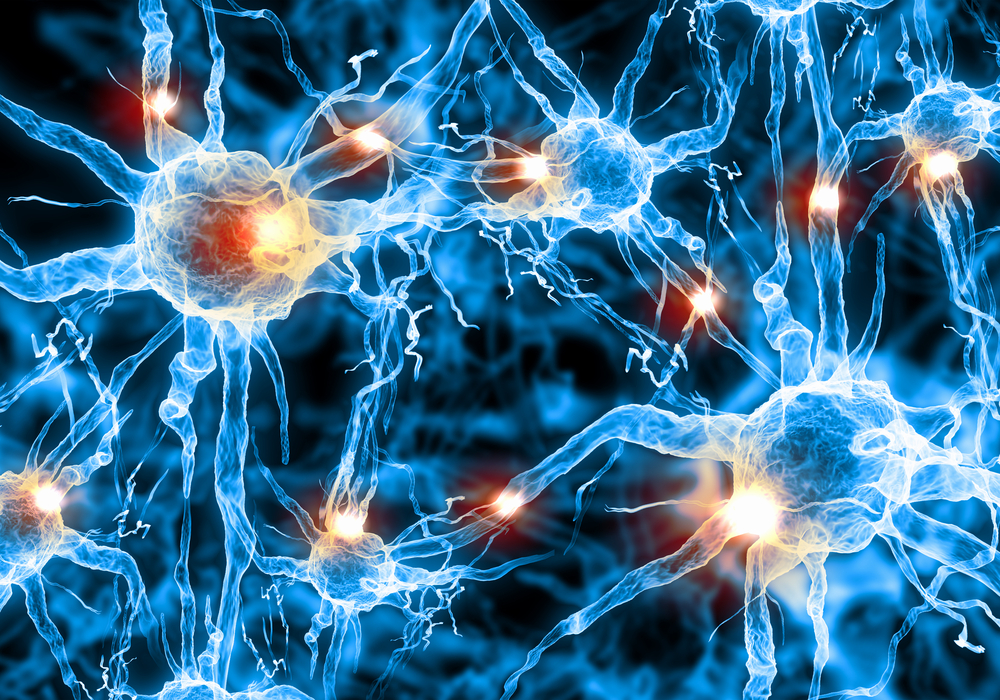
Neuroplasticity is the brain’s ability to change its structure, function and network organization in response to experience. This includes creating new synapses, strengthening existing ones, pruning away unused pathways and reorganizing entire regions of the brain after injury. Far from being static, the brain is always in flux. Each thought, emotion and behavior becomes part of the architecture of the mind itself.
Scientists divide neuroplasticity into two main categories. Functional plasticity refers to the brain’s capacity to shift functions from damaged areas to healthy ones. This is seen in stroke recovery when other regions take over tasks once performed by an injured part of the brain. Structural plasticity refers to the brain’s capacity to physically change its configuration by creating new neural connections or reshaping existing ones as a result of learning, practice and experience.
Most of the neuroplastic changes that influence emotional patterns happen at the synaptic level. Synapses strengthen through a process known as long-term potentiation, or LTP. When two neurons fire repeatedly in close proximity, their connection becomes more efficient. The postsynaptic neuron increases its number of receptors, meaning the threshold for activation becomes lower and the circuit becomes easier to ignite. This process is the biological foundation of learning, memory formation and habit development.
This is also how focusing on the good becomes a reinforced pattern. Each time you redirect your attention to something uplifting, meaningful or safe, you activate neural networks associated with reward, calmness and emotional regulation. Repetition strengthens these pathways. Over time shifting toward optimism becomes less effortful because the brain has wired itself to favor that route.
Conversely, chronic stress, rumination or a negative worldview strengthen pathways associated with threat detection, fear and emotional discomfort. The brain becomes quicker to perceive danger or difficulty not because life is objectively more negative but because those circuits have become dominant through use. Neuroplasticity is neutral in this sense. It will reinforce whatever you practice, whether helpful or harmful.
Recognizing this gives us an incredible sense of agency. We are not stuck with default settings. We can participate in building a brain that supports the life we want to live.
How Positive Focus Reshapes Neural Pathways
Neuroplasticity does not unfold in one sudden transformation. It happens through small incremental changes repeated over time. When someone consistently focuses on the good, a sequence of neurobiological processes begins to unfold.
First, the shift in attention activates the reward circuitry of the brain. Dopamine and other neuromodulators increase, enhancing motivation and reinforcing the behavior. These chemical messengers help signal the brain that this pathway is beneficial, encouraging the formation of stronger neuronal connections.
Second, repeated experiences of gratitude, mindfulness or positive reflection create long-term potentiation within specific circuits. Neurons become more responsive, the synapses become more efficient and the overall network grows more coordinated. What once required conscious effort begins to happen automatically.
Third, the brain begins to prune away some of the synapses associated with negative attention patterns. This does not mean the brain loses the ability to detect danger or respond to challenge. Instead, it becomes more balanced. Instead of defaulting to threat perception or stress responses, it becomes capable of holding a wider and more accurate view of reality.
Finally, neuroplasticity impacts stress regulation. When positive neural circuits strengthen, the brain becomes more resilient to external triggers. The amygdala, which handles emotional reactivity, becomes less reactive. The prefrontal cortex, which governs focus, reasoning and emotional control, becomes more dominant. This shift creates a sense of inner steadiness and emotional clarity.
Over time this can transform the way you see the world. You begin noticing moments of kindness, beauty and opportunity. You respond to challenges with more adaptability. You feel more connected to yourself and others. What began as a cognitive practice eventually becomes a new baseline experience.
Regeneration, Reorganization and More
While positive focus and emotional awareness shape the brain through synaptic plasticity, a wide range of deeper neurological processes also contribute to the brain’s ability to adapt. Understanding these mechanisms reveals just how dynamic the brain truly is.
One pathway involves neuronal regeneration and collateral sprouting. In some areas of the brain, especially in the hippocampus, new neurons can form in adulthood. Although scientists debate the extent of adult neurogenesis in humans, evidence suggests that some degree of new cell formation may occur and that it is influenced by environment, exercise and emotional wellbeing.
Another mechanism is functional reorganization. This process is most visible after brain injury, when new regions adapt to take over functions once performed by damaged areas. Yet this adaptability is not limited to trauma. Functional reorganization occurs anytime we learn complex skills or engage in deep emotional healing. The brain identifies new patterns and redistributes activity to support them.
There is also the phenomenon of metaplasticity, which refers to the brain’s ability to change how it changes. In other words, previous neural activity influences how future plasticity unfolds. This is why consistent attention to inner work increases the brain’s readiness for transformation. Each step paves the way for the next.
On the other hand, maladaptive plasticity reminds us that the brain can reorganize itself in ways that create difficulty. Chronic stress, unprocessed trauma or repetitive negative thinking can carve pathways that reinforce patterns of distress. This is not a personal failure but a biological process that can be redirected with awareness, support and intentional practice.
All of these mechanisms work together to create the living, evolving architecture of the human mind.
Practices That Harness Neuroplasticity for Cognitive and Emotional Growth
Because neuroplasticity is driven by experience, lifestyle and intention, many practices can help shape the brain in positive ways. These practices do not need to be intense or complex. They simply need to be consistent. Here are some evidence-supported approaches:
Gratitude journaling helps shift attention toward positive experiences and strengthens neural pathways associated with reward and emotional satisfaction.
Mindfulness meditation enhances gray matter in regions responsible for attention, empathy and emotional regulation.
Learning new skills such as languages, musical instruments or creative arts stimulates neural growth and promotes cognitive resilience.
Physical exercise increases levels of brain-derived neurotrophic factor, a protein that supports neural growth and protects existing neurons.
Quality sleep supports memory consolidation and dendritic growth, making it essential for healthy neuroplasticity.
Social engagement strengthens networks related to communication, memory and emotional wellbeing.
Exposure to new environments such as travel or cultural experiences challenges the brain with novelty, stimulating structural and functional plasticity.
A nutritious diet rich in whole foods supports metabolic and cognitive health and may reduce inflammation that interferes with neural network function.
Each of these practices encourages the brain to build resilience, flexibility and inner coherence. When combined with the intention to focus on the good, they create a powerful environment for long-lasting transformation.
The Spiritual Dimension of Neuroplasticity and the Ancient Art of Training the Mind
Long before neuroscience knew the word neuroplasticity, ancient wisdom traditions taught that the mind is trainable. Meditation practices from India, breathwork disciplines from China, visualization rituals from mystical traditions and contemplative prayer from religious lineages all emphasized the power of directed attention. They shared a common belief that consciousness is shaped by intention and that the practice of presence can awaken latent potential.
From a spiritual perspective, focusing on the good is not about avoiding difficulties or pretending everything is perfect. It is about attuning the mind to a deeper reality that includes possibility, connection and meaning. Many spiritual traditions teach that compassion, gratitude and awareness open the heart and mind to what is fundamentally real and life affirming.
Neuroscience now offers a biological explanation for these teachings. When practitioners cultivate inner peace, gratitude or loving awareness, the neural networks associated with empathy, emotional balance and insight strengthen. Over time these traits become traits rather than states. In this way, spiritual development and scientific understanding converge. One describes the inner experience. The other describes the mechanism.
This integration invites us to approach neuroplasticity not merely as a clinical phenomenon but as a profound opportunity for conscious evolution.
The Future of Neuroplasticity Research and Human Potential
As research advances, scientists are uncovering increasingly detailed insights into the functional connections of the brain. Imaging technology reveals how networks shift during learning, emotional processing or recovery. Studies of diet, exercise, meditation and environmental enrichment show that lifestyle shapes the brain far more than previously understood.
There is also growing interest in the concept of cognitive reserve, which refers to the brain’s ability to maintain function even in the face of aging or disease. Lifelong learning, social engagement and mental stimulation build this reserve, making the brain more resilient to decline.
Emerging therapies use neuroplasticity intentionally. Mirror therapy helps reduce phantom limb pain by reorganizing somatosensory networks. Constraint-induced movement therapy helps stroke survivors regain function by forcing the brain to rewire motor circuits. Medications that influence neurotransmitter systems can enhance plasticity during recovery from injury. Technology-assisted rehabilitation programs are expanding what is possible for neurological healing.
At the same time, research raises important questions about how modern stressors influence neuroplasticity. Chronic stress and sleep deprivation can impair neural growth and affect memory. Diets high in processed foods may reduce the levels of key neurotrophins. Recognizing these patterns gives individuals greater agency to choose habits that support brain health.
There is also a growing sense of convergence between neuroscience and spirituality. Many researchers note that the brain is most plastic in environments that offer novelty, emotional safety, deep engagement and meaningful connection. These conditions resemble the environments created by intentional spiritual communities, transformative ceremonies, mindful living and holistic healing traditions. It suggests that human flourishing sits at the intersection of biological adaptability and conscious cultivation.
You Can Train Your Brain to Look for the Good
The discovery that focusing on the good can rewire the brain is a profound reminder that human beings are not passive observers of their inner world. We are active participants in shaping our thoughts, emotions and perceptions. Neuroplasticity reveals that change is not only possible but biologically supported. With intention and practice, the brain can become more resilient, more balanced and more attuned to the beauty and possibility woven through everyday life.
This does not mean ignoring pain or pretending challenges do not exist. Instead, it means recognizing that the mind can be trained to see the entire picture, including the good that so often hides behind the noise. It means understanding that emotional habits can shift, cognitive patterns can evolve and the inner landscape can grow more harmonious with time.
Whether through science, spirituality or a combination of both, the path to inner transformation begins with attention. What you focus on, you become. What you practice, your brain reinforces. And each moment offers a chance to guide your mind toward clarity, gratitude and genuine wellbeing.
Neuroplasticity shows that the magic of focusing on the good is not wishful thinking. It is a natural capacity of the human brain. It is also a call to live consciously, to cultivate habits that support growth and to embrace the incredible potential of a mind that can always change.
Some of the links I post on this site are affiliate links. If you go through them to make a purchase, I will earn a small commission (at no additional cost to you). However, note that I’m recommending these products because of their quality and that I have good experience using them, not because of the commission to be made.






 JOIN OVER
Comments