
The New Science Behind Killing Cancer

Last updated on

Cancer has always been one of humanity’s most formidable adversaries, a shape-shifting foe capable of evading medications, adapting to treatments, and defying decades of medical innovation. For years the world has watched scientists race for groundbreaking solutions, sometimes with tremendous hope and other times with disappointment when clinical promises fall short. But every so often, a discovery emerges that challenges the very framework through which we understand disease. This is the story behind Dr. Patrick Soon-Shiong and his controversial, ambitious, and potentially revolutionary cancer therapy called Anktiva. To some, it may sound like the long-anticipated answer to a global plague. To others, it may resemble yet another overhyped claim in the long history of medical moonshots. Yet beneath all the debate lies a deep scientific curiosity: what if the power to eliminate cancer is not an external weapon, but an internal force that has been dormant all along? Anktiva, a form of immunotherapy based on the natural immune protein IL-15, aims to turn the body’s own defenses into something stronger than chemotherapy, more precise than radiation, and more adaptable than conventional drugs. It does not attack cancer directly. Instead, it empowers natural killer cells and T cells, the very soldiers our bodies were born with, to launch an internal uprising against tumors. The approach pulls from the frontier of immunology, reframing cancer not as a foreign invader but as a challenge of immune intelligence and resilience. The spiritual implications are just as striking. Across cultures, illnesses have long been seen not only as biochemical disorders but as disruptions in internal harmony. The idea that the cure might come from awakening what is already within us aligns with millennia of ancient healing traditions that speak of inner life force, self-regeneration, and the body’s hidden reserves of energy. Whether viewed through the lens of science or spirit, the concept is compelling: perhaps the body is not broken, but simply disconnected from its own strength.

The Scientific Premise Behind Anktiva

To understand the significance of Anktiva, one must first understand natural killer cells, often called NK cells. These cells operate as first responders within the immune system. They survey the body continuously, inspecting cells and eliminating those that appear abnormal. Cancer cells, infected cells, and certain damaged cells are all targets for NK cell activity. A typical adult carries roughly two billion NK cells circulating in the bloodstream. These cells function like biological security guards, checking identification badges on every cell they encounter. When they detect irregularities, they respond quickly and decisively. But modern cancer treatments often injure the immune system in collateral damage. Chemotherapy and radiation, while powerful against tumors, can also suppress or destroy NK cells and T cells. This paradox has long troubled immunologists who ask why our primary treatments work by weakening the very system we rely on for long-term defense. Anktiva aims to solve this paradox.
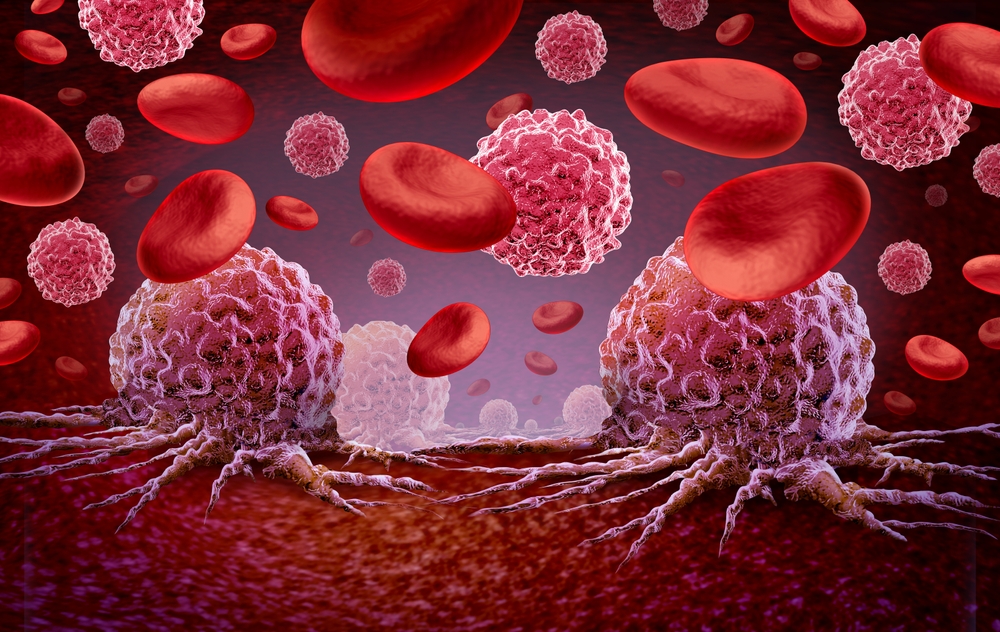
It delivers a form of interleukin 15, a naturally occurring protein that activates and multiplies NK cells and T cells without stimulating suppressive immune cells that might counteract the effect. Soon-Shiong compares the enhancement to turning an ordinary soldier into a supercharged warrior. When NK cells receive IL-15 through Anktiva, they grow stronger, more durable, and they multiply at accelerated rates. In turn, this army of enhanced cells seeks out cancer more aggressively and more efficiently. This is not a traditional drug that targets a tumor. Instead, it is a catalyst that awakens the body’s latent ability to fight. The process can involve harvesting a patient’s NK cells, exposing them to Anktiva, expanding them, freezing them, and reinfusing them. But even when administered directly alongside BCG, a decades old bladder cancer immunotherapy, Anktiva appears to stimulate lymphocyte recovery in a way the medical field has never seen before. One way Soon-Shiong describes it is through a concept he calls the triangle offense. In this triangle, each side represents a crucial immune component: NK cells, CD8 killer T cells, and memory T cells. If these three systems operate in unison and balance, the immune system can both eliminate current tumors and develop long term memory against recurrence. In theory, this creates the foundations of a true cancer vaccine.

A History of Bold Promises and Turbulent Progress

Dr. Patrick Soon-Shiong is not new to dramatic medical aspirations. He built a reputation as a transplant surgeon in the 1980s and later became a billionaire through the development and sale of Abraxane, a reformulated chemotherapy drug. His career history includes both breakthroughs and controversies, including past ventures where scientific ambitions outpaced clinical reality. In 2016, he announced the Cancer Moonshot 2020, a sweeping initiative aiming to enroll 20,000 patients into vaccine based cancer trials and develop an effective immunotherapy by the end of the decade. But progress was slow. Enrollment numbers were far below goals, several trials yielded limited results, and the initiative’s digital footprint eventually faded. Critics described the project as more hype than substance. This history follows Soon-Shiong into the Anktiva era. Some oncologists and journalists argue that he markets too aggressively, pointing to instances where small patient groups are used to report impressive percentages. They warn that medicine requires caution, large data sets, and patience. Yet, for every critique, there are patients who insist that Anktiva saved their lives. Individuals with advanced cancers have credited the therapy with tumor disappearance, long term remission, and recovery where conventional treatment failed. These testimonials give voice to another layer of reality, one that cannot easily be dismissed. Medicine is a field where the scientific and the subjective often collide. Human bodies and human experiences vary widely. For some, the therapy may be a miracle. For others, the science might remain inconclusive. Both truths can coexist during the early stages of innovation.

NK Cells, Ancient Healing Principles, and the Intelligence of the Body
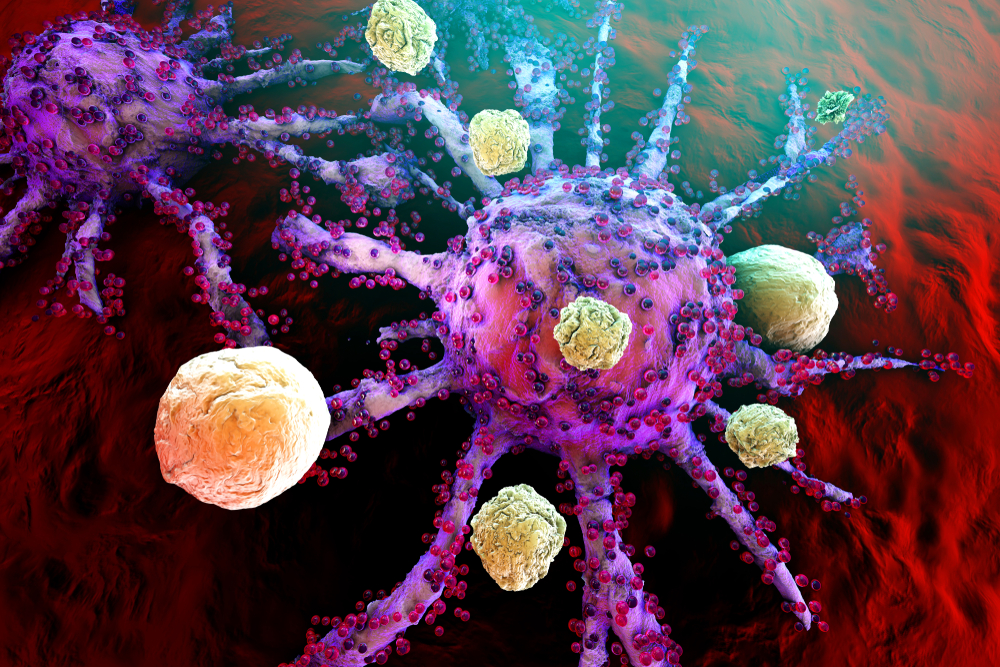
From a spiritual or consciousness-based perspective, perhaps the most profound element of Anktiva is its underlying message. The treatment does not introduce a foreign weapon into the system. Instead, it encourages the body to remember what it is capable of. This idea mirrors teachings across ancient traditions. In Traditional Chinese Medicine, vitality flows through internal pathways, and illness arises when circulation or communication between systems falters. Restoring harmony means realigning internal forces rather than attacking the ailment. In Ayurveda, disease stems from imbalances within the doshas and disruptions in cellular intelligence. Healing involves rekindling the natural fire within the body’s tissues so they can restore balance on their own. In indigenous traditions, healers often speak of inner memory, the notion that the body carries ancestral knowledge of wholeness that can be awakened under the right conditions. Anktiva echoes these concepts scientifically. When NK cells and T cells are activated and multiplied, they behave like a community returning to its original strength. When memory T cells are established, they preserve long term knowledge of how to protect the body against specific cancer types. It suggests that cancer is not merely a foreign invasion but a breakdown in internal communication. When immune cells fail to recognize tumor cells or cannot mount a strong enough response, cancer gains ground. Anktiva attempts to reestablish this recognition, reminding immune cells of their essential identity.

Clinical Outcomes and the Promise of Long Term Remission

One of the most compelling aspects of Anktiva lies in patient outcomes reported during trials and expanded access programs. Although many of these reports come from small sample sizes and early stage studies, some findings have been remarkable. Small groups of bladder cancer patients treated with Anktiva have demonstrated extended durations of complete response, sometimes lasting six to nine years or longer. In BCG-naive patients, early studies recorded complete remission in all participants, with long term freedom from disease that suggests immune memory formation. Individual accounts from patients with metastatic cancers, including pancreatic, head and neck, and triple negative breast cancer, describe significant reductions in tumor burden or complete disappearance after receiving Anktiva based protocols. While testimonials are not substitutes for large randomized trials, they do point to biological activity worth exploring. If Anktiva truly rescues lymphocytes in a sustained way, as early evidence suggests, it could introduce a paradigm shift. Therapies like Epogen and Neupogen revolutionized the management of anemia and neutropenia by rescuing red blood cells and neutrophils. Anktiva could do for lymphocytes what those drugs did for their respective cell lines. Since lymphocytes govern cancer surveillance and adaptive immunity, stabilizing or increasing them could change how cancer is managed across almost all tumor types.

Regulatory Battles and the Struggle Between Innovation and Caution
Even with promising science, Anktiva faces significant regulatory hurdles. Although the FDA approved it for a narrow subset of bladder cancer in 2024, attempts to expand approval have been met with resistance. Regulators seek large, controlled, multi year trials across each cancer type, citing the need for clear statistical evidence. Soon-Shiong argues that such delays cost patients their lives. Regulators argue that bypassing safety and efficacy protocols could cause harm. The conflict highlights a broader tension within medicine: innovation pushes forward while regulation holds the line. Supportive doctors express frustration at the pace of approval, stating that treatments showing early promise should not be held to slow timelines when lives are at stake. Others caution that emotionally compelling patient stories cannot replace rigorous data. Just as the immune system must find balance between aggression and restraint, the medical system must navigate the space between opportunity and caution. This tension is not purely scientific. It is societal, political, and philosophical. When an innovation challenges the dominant model, resistance is inevitable. Whether resistance proves protective or obstructive remains part of the unfolding narrative.

The Spiritual Symbolism of the Triangle Offense

Soon-Shiong’s triangle offense of NK cells, killer T cells, and memory T cells is more than a clinical framework. It carries symbolic weight. Triangles appear across spiritual and esoteric traditions as representations of balance, harmony, and divine alignment. In sacred geometry, the triangle represents stability and manifestation. In Taoism, the triad symbolizes the Heaven, Earth, and Human connection. In the Vedic tradition, triangular yantras channel energetic balance. In body-mind frameworks, the triangle often represents the synergy between physical vitality, mental clarity, and spiritual awareness. While the scientific intention behind the triangle offense is strictly biological, its symmetry resonates with deeper archetypal patterns. The idea that healing occurs when multiple systems are aligned is both metaphorically rich and biologically accurate. Immunology itself reflects a profound inner intelligence. Cells communicate across vast networks, respond to subtle signals, and adapt dynamically to challenges. These processes mirror broader cosmic principles of interconnectedness, feedback loops, and self organization. In this sense, the immune system becomes a microcosm of universal structure, a living reminder that complexity can operate with intention.

Future for Anktiva and Immune Based Therapies

If Anktiva continues to demonstrate long term benefit, the implications are vast. Cancer treatment may shift away from regimens that degrade the immune system toward strategies that rehabilitate it. Therapies may become more personalized, aligned with each patient’s biological makeup. Soon-Shiong has already begun applying Anktiva research to prostate cancer, exploring protocols that combine lymphocyte rescue with targeted immune memory. Other tumor types are being investigated, though formal results remain pending. Whether Anktiva fulfills its most ambitious promises remains to be seen. Medicine has witnessed many innovations that began with enthusiasm only to fade during extensive testing. Yet some breakthroughs defy doubt and transform the field entirely. The deeper possibility, beyond any single drug, is that medicine is moving into an era where the body’s internal wisdom becomes central again. The immune system, long viewed as a secondary component of treatment, may become the main character in the narrative of recovery.

Awakening the Power Within

Cancer has always challenged our ingenuity, pushing scientists to new frontiers and inspiring spiritual seekers to question the nature of illness and healing. Anktiva sits at the crossroads of these paths. On one hand, it represents an advanced scientific intervention based on molecular immunology. On the other, it reflects a timeless truth found across cultures: that the body may hold more power than we realize. If NK cells, T cells, and memory cells can be awakened through IL-15, the cure may not come from outside the self but from restoring inner alignment. This idea bridges the scientific and the spiritual, reminding us that innovation sometimes leads us back to fundamental principles. Whether Anktiva ultimately transforms medicine or simply contributes an important chapter to the history of cancer research, it carries a message worth contemplating. Healing is not always about external attack. Sometimes it is about recognition, communication, memory, and empowerment. The doctor says he found a way to kill cancer. Perhaps what he truly found is a way to help the body remember how powerful it already is.

Some of the links I post on this site are affiliate links. If you go through them to make a purchase, I will earn a small commission (at no additional cost to you). However, note that I’m recommending these products because of their quality and that I have good experience using them, not because of the commission to be made.

About Juicing For Health

Loading...

Comments

Leave a Reply

XHTML: You can use these tags: