
Texas Becomes the 7th State to Officially Ban Lab-Grown Meat, Joining Alabama, Mississippi, Florida, Montana, Nebraska, and Indiana
Last updated on
Texas has taken a major step that has erupted into a national flashpoint as the state officially became the seventh in the country to ban the sale of lab grown meat. The move came after Governor Greg Abbott signed a bill that temporarily prohibits the sale of cell cultured protein products. Supporters say it protects ranchers, consumers, and long standing traditions, while critics argue it holds back innovation at a moment when food systems are shifting rapidly. With ranchers praising the ban as a safeguard and tech forward companies calling it an obstacle to progress, the issue has become one of the most talked about food policies of the year. The law creates civil and criminal penalties for selling lab grown meat in Texas and is set to last for two years. This timeframe mirrors the approach taken in Indiana earlier this year, and lawmakers have said the temporary pause allows the state to examine labeling, consumer impacts, and economic effects. The debate has grown especially intense because Texas leads the nation in cattle and produces nearly 15 percent of all U.S. beef, which means any shift in the definition of meat could feel like a threat to heritage as much as business. The ban has also sparked immediate legal action from cultivated meat companies who are challenging what they describe as a restriction on choice and competition.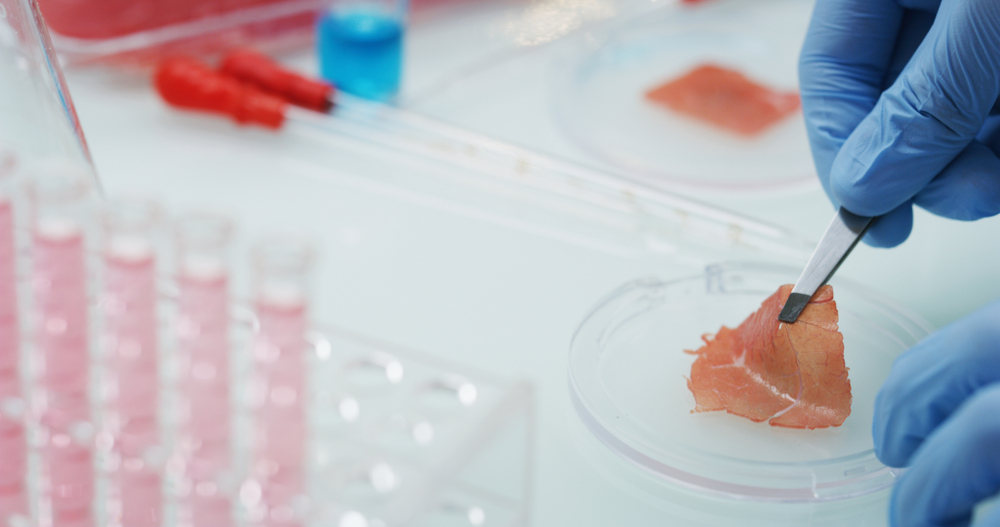
Texas Implements a Two Year Halt on Cultivated Meat
When Texas enacted the ban, the state joined Alabama, Mississippi, Florida, Montana, Nebraska, and Indiana in restricting the sale of lab grown meat. According to the legislation, any attempt to sell or distribute cultivated meat will trigger penalties until the law expires in 2027. The two year period was chosen partly because Indiana had adopted the same timeline, and supporters of that model said it provided enough space to gather research without committing to a permanent stance. Texas officials agreed with that reasoning, arguing that it gives room to evaluate a technology that is still in its early stages. The Texas Department of Agriculture emphasized that the move was intended to protect consumers while preserving the values that shape the state’s food identity. The state’s cattle industry, which plays a crucial economic role, strongly favored the ban. Many ranchers expressed concern about how cultivated meat would be labeled, how it might disrupt conventional livestock markets, and whether consumers could be misled about what they were buying. These concerns became central talking points throughout legislative hearings. Agriculture Commissioner Sid Miller described the passage of the bill as a landmark moment, stating, “This ban is a massive win for Texas ranchers, producers, and consumers” and later adding that “Texans have a God given right to know what’s on their plate, and for millions of Texans, it better come from a pasture, not a lab.” He also said it was “plain cowboy logic that we must safeguard our real, authentic meat industry from synthetic alternatives.” His comments resonated with ranchers who view cultivated meat not only as a new competitor but as a dramatic shift away from the traditions that built the state’s agricultural economy.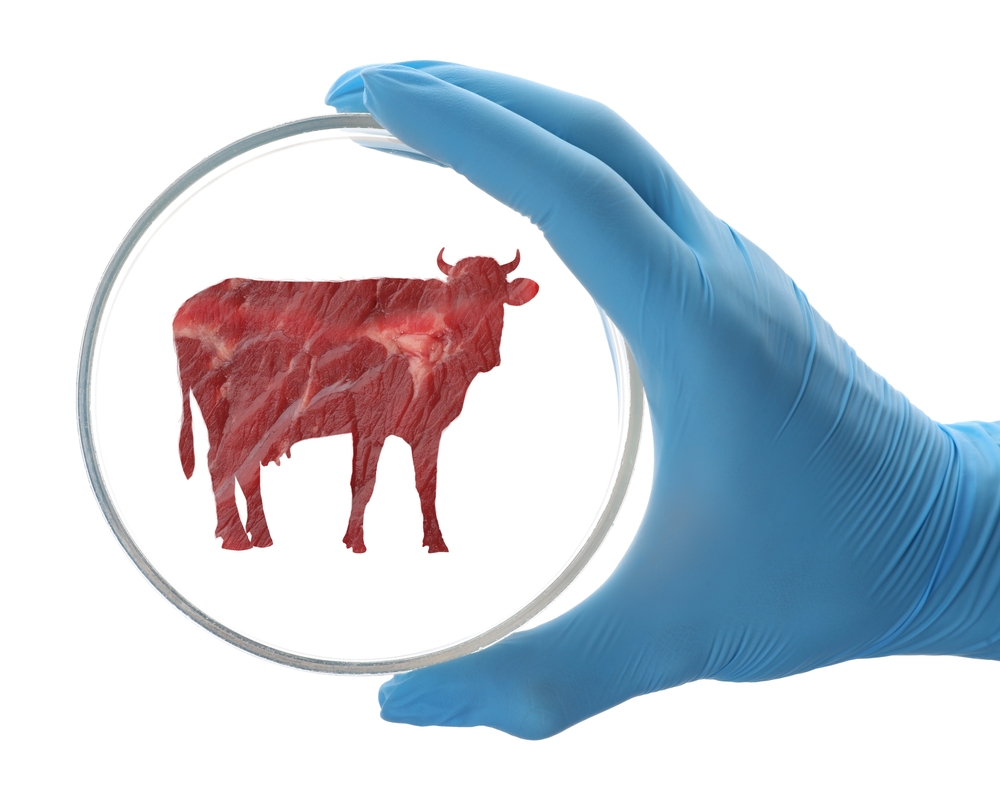
The Motivations Behind the Ban and Growing Rural Concerns
Supporters of the ban highlighted a mix of cultural, economic, and consumer driven priorities. Rural lawmakers stressed that livestock is not just a business but the foundation of entire communities, and any industry capable of replacing conventional meat could ripple through family owned operations. During hearings, State Senator Charles Perry said, “The introduction of lab grown meat could disrupt traditional livestock markets, affecting rural communities and family farms,” summing up the fears many ranchers shared. Another major concern repeatedly raised in discussions was labeling. Many agricultural leaders argued that consumers should not have to guess whether a product originated from an animal or a laboratory. Perry and other lawmakers said they wanted to ensure that “checks and balances” would be in place before any cultivated products became widely available in Texas. They emphasized that transparency mattered as much as safety because food carries cultural meaning in addition to nutritional value. For supporters of the bill, the ban represented a way to pause long enough to understand the consequences before allowing new products into the marketplace. They saw the moratorium as a measured step that avoided irreversible change. Ranching organizations testified that they supported thoughtful innovation but worried that rushing into unfamiliar territory could destabilize markets that families have relied on for generations.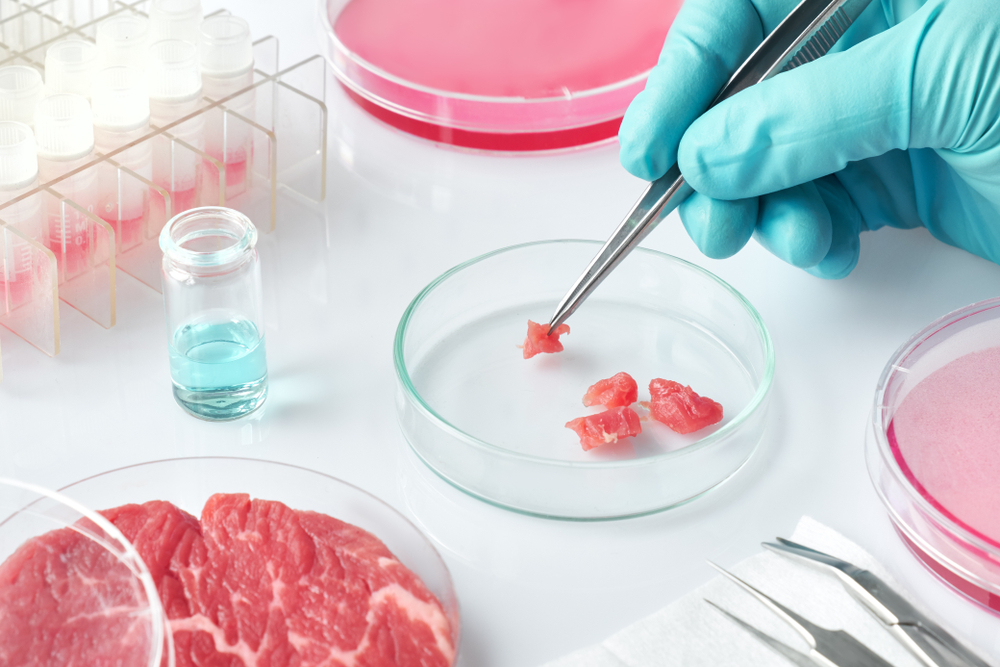
The Cultivated Meat Industry Pushes Back Through Legal Action
One day after the ban took effect, two companies at the forefront of cultivated meat technology, Wildtype Foods and Upside Foods, filed a lawsuit challenging the state. The lawsuit names several officials including Jennifer Shuford of the Texas Department of State Health Services. For these companies, the ban represented a threat not only to their business model but to their ability to compete fairly in states where they already had federal clearance to sell specific products. Wildtype CEO Justin Kolbeck said the company did not plan to take legal action but ultimately felt compelled to do so, explaining that “This was really a last resort for us.” Upside Foods also issued strong criticism of the ban. The company’s general counsel, Myra Pasek, said, “The purpose of these bans is to try to kill the cultivated meat industry before it gets off the ground.” Their statements reflect industry wide concerns that moratoriums could make it harder to attract investors, expand research, and scale up production in ways that could eventually lower costs and open opportunities for consumers. The Good Food Institute, a nonprofit focused on alternative proteins, warned that these types of restrictions could have national consequences. Pepin Andrew Tuma, the organization’s vice president of policy and government relations, said in a statement that “Moratoriums on sale like this not only deny Texans new choices and economic growth, but they also send chilling signals to researchers and entrepreneurs across the country.” While the group is not part of the lawsuit, it has closely monitored how state level bans affect the trajectory of innovation.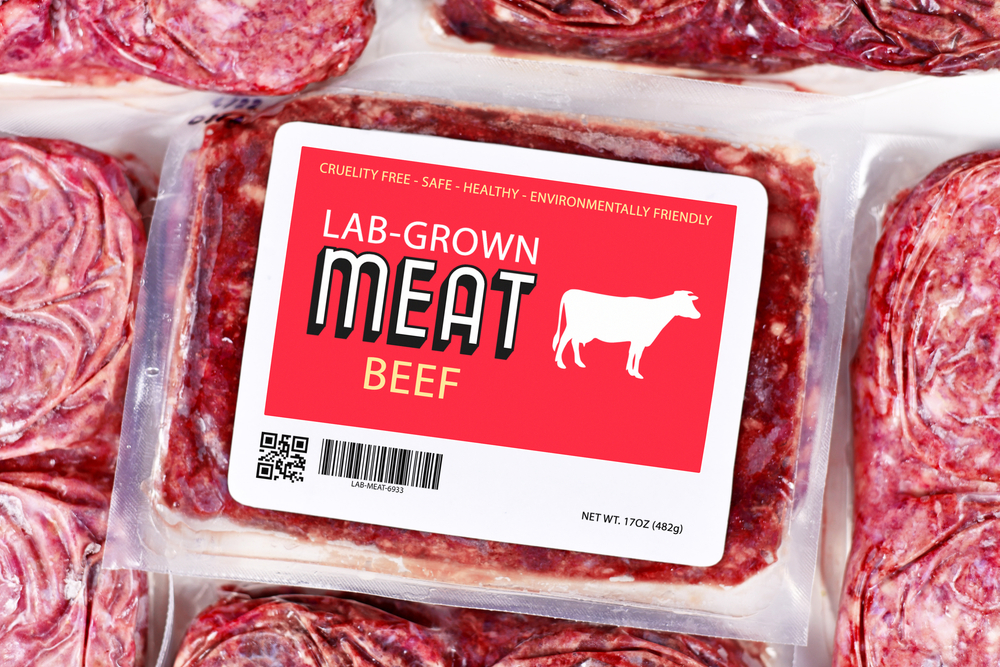
Science and Sustainability Debates Reveal Unsettled Questions
Scientific research surrounding cultivated meat remains divided, which adds complexity to the public debate. While some studies suggest that lab grown protein could reduce land use, water consumption, and methane emissions, other research indicates that the environmental footprint of current production methods may exceed that of retail beef. Because cultivated meat is still in early development, its full environmental cost is not yet clear. Supporters of cultivated meat argue that it offers a promising alternative for reducing greenhouse gas emissions since livestock accounts for an estimated 10 to 20 percent of global climate pollution. They believe that technological advancements will eventually lower production energy demands and create a system that supports sustainability without sacrificing consumer choice. Critics point out that these benefits remain hypothetical until labs can operate with far more efficiency. The uncertainty has made it difficult for policymakers to determine whether cultivated meat will become a climate solution or simply a new form of resource heavy production. Both sides agree that more research is needed, which is one reason some lawmakers supported a temporary pause. Environmental experts say the next few years of development will be crucial for understanding whether cultivated products can deliver on their promises.
Cultural Identity and the Future of Food in Texas
Food often carries emotional weight, and in Texas the cultural attachment to beef is especially strong. To many residents, the idea of replacing pasture raised meat with lab grown alternatives feels like a departure from the customs that shaped family traditions and community gatherings. Barbecue culture, cattle ranching history, and regional pride all influence how Texans view emerging food technologies. At the same time, younger and more climate conscious consumers have shown growing interest in alternatives to conventional meat. These individuals see cultivated products as a way to reduce environmental impact while still enjoying familiar foods. The divide between these viewpoints reflects broader generational and cultural shifts that extend beyond Texas. Some consumers have already experimented with cultivated meat in limited settings. Wildtype’s cultivated salmon appeared in a sushi restaurant in Austin earlier this year, where chefs described it as tasting similar to wild caught salmon. These small experiences illustrate how new technology is gradually reaching the public, even if access remains extremely limited.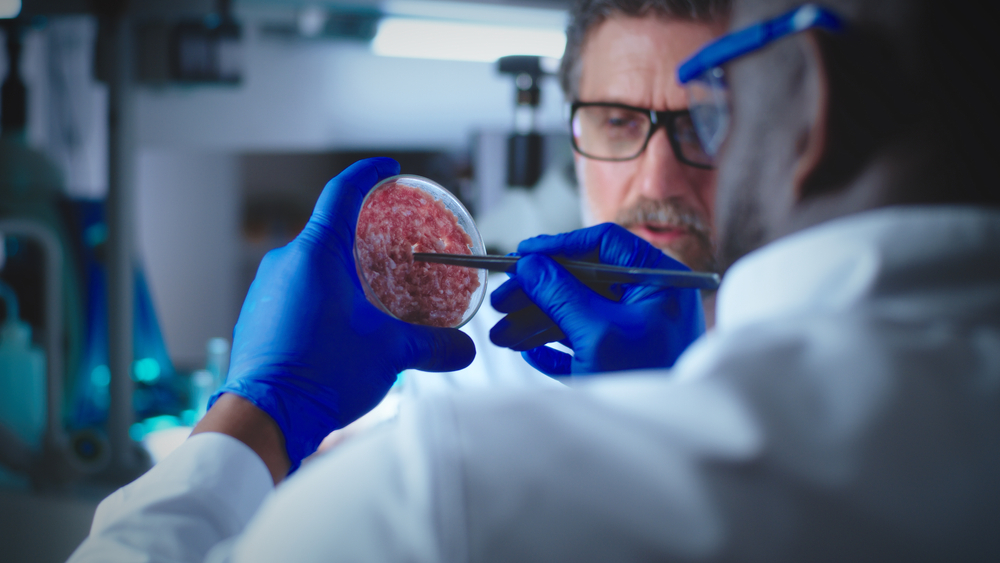
What Comes Next for Texas and the National Conversation
As the lawsuit moves forward, legal experts expect a prolonged battle over whether states have the authority to restrict technologies that have federal approval. The outcome could influence how other states craft their own policies and whether additional bans appear in regions with strong agricultural identities. Meanwhile, companies like Upside and Wildtype must navigate the challenge of scaling production while facing barriers to market entry in multiple states. Lawmakers in states considering similar legislation will be watching the Texas case closely. Even though the moratorium ends in 2027, its effects could shape the future of labeling standards, interstate commerce, and food innovation. Some predict that the federal government may eventually step in with nationwide guidelines to clarify how cultivated meat should be presented and regulated. Researchers and entrepreneurs continue working to lower costs and improve production methods. If they succeed, cultivated meat could become more accessible and potentially shift consumer expectations. If not, the technology may struggle to gain traction before public opinion settles against it. Texas’s decision has effectively set a timer on a debate that will evolve in real time.Some of the links I post on this site are affiliate links. If you go through them to make a purchase, I will earn a small commission (at no additional cost to you). However, note that I’m recommending these products because of their quality and that I have good experience using them, not because of the commission to be made.


 JOIN OVER
Comments