
Study Links Anxiety to Lower Levels of a Key Brain Supporting Nutrient
Last updated on
Anxiety has a way of quietly reshaping how the brain experiences the world. Everyday situations can feel heavier, thoughts may spiral more easily, and the sense of being constantly on edge can linger even during moments that should feel calm. For years, anxiety has largely been discussed in terms of thoughts, emotions, trauma, or learned behavior, often leaving people wondering why their efforts to “think differently” do not always bring relief. What is becoming clearer through research is that anxiety is not only psychological. It is also deeply biological, involving measurable changes in how the brain functions under long-term stress.
New scientific findings now suggest that this mental strain may be linked to lower levels of a critical brain nutrient called choline. By analyzing brain chemistry data from hundreds of people, researchers found that individuals with anxiety disorders consistently showed reduced choline levels in key areas of the brain involved in emotional control and decision making. This discovery does not point to a simple fix or a supplement solution, but it does add an important piece to the anxiety puzzle. It suggests that anxiety may reflect a brain working under sustained metabolic pressure rather than a personal failure to cope or stay calm.

What the Large Analysis Revealed
The findings come from a meta analysis published in Molecular Psychiatry that combined results from 25 separate brain imaging studies. Together, these studies examined neurometabolites, which are chemicals produced during normal brain metabolism. The researchers compared data from 370 people diagnosed with anxiety disorders and 342 people without anxiety, using advanced imaging methods that allow scientists to measure chemical levels in living brain tissue.
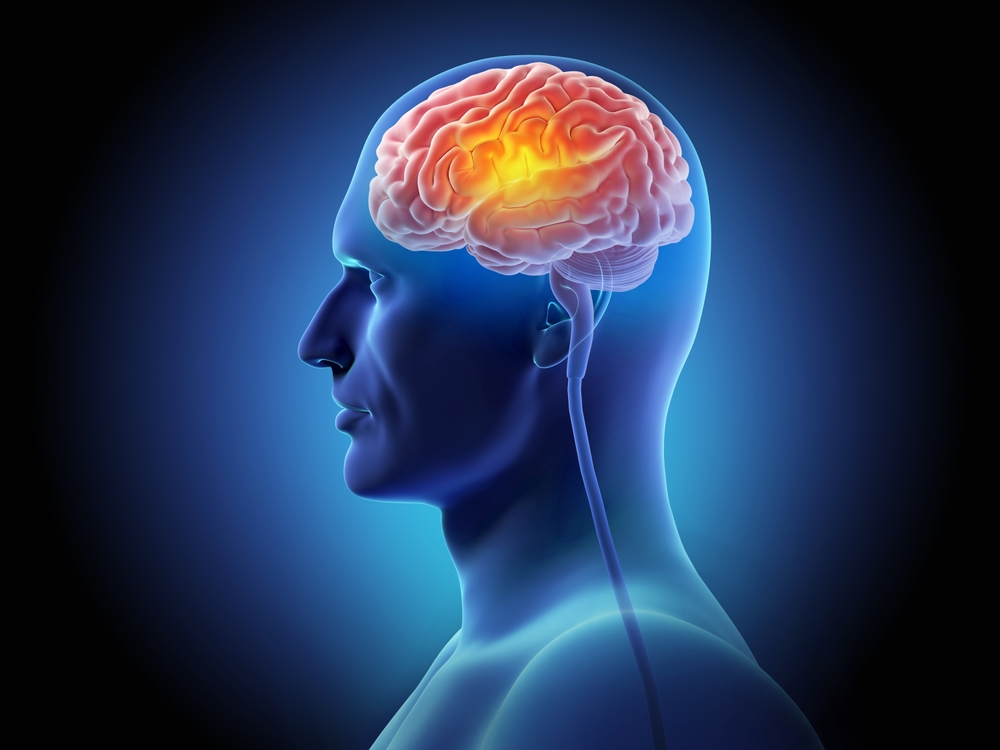
Across these studies, one pattern emerged consistently. People with anxiety disorders had approximately eight percent lower levels of choline in the brain. This reduction was especially clear in the prefrontal cortex, a region responsible for regulating emotions, planning, impulse control, and rational thought. This part of the brain plays a central role in helping people assess whether a situation is truly threatening or manageable.
Jason Smucny, one of the study’s authors, explained the importance of this finding by saying, “This is the first meta-analysis to show a chemical pattern in the brain in anxiety disorders.” He noted that the results suggest nutritional approaches, such as ensuring appropriate choline intake, may help support brain chemistry. While the study does not claim that low choline causes anxiety, it clearly shows that anxiety disorders are associated with real, measurable differences in brain metabolism.

Why Choline Is Essential for the Brain
Choline is an essential nutrient that supports some of the brain’s most basic functions. It is required to build and maintain cell membranes, which allow brain cells to communicate effectively. Choline is also necessary to produce acetylcholine, a neurotransmitter involved in memory, learning, attention, and emotional regulation. Without adequate choline, the brain’s signaling systems may become less efficient, especially during periods of sustained stress.
Although the body can produce small amounts of choline on its own, most of it must come from food. Common dietary sources include eggs, fish, poultry, beef, and soybeans. Despite this, research shows that many people in the United States do not meet the recommended daily intake for choline. This means that even individuals without anxiety may already be operating with limited nutritional support for optimal brain function.
For people with anxiety disorders, this shortfall may be more impactful. Chronic stress increases the brain’s metabolic workload, which may raise its demand for choline over time. When that demand is not met, brain regions involved in emotional regulation may show lower choline levels, making it harder to manage worry, fear, and mental tension.
The Prefrontal Cortex and Emotional Control
The prefrontal cortex acts as the brain’s command center for reasoning and emotional regulation. It works closely with the amygdala, which is responsible for detecting potential threats and triggering fear responses. In a healthy system, the amygdala alerts the brain to danger, while the prefrontal cortex evaluates the situation and helps calm the response when the threat is manageable.
In anxiety disorders, this balance can become disrupted. The amygdala may remain overactive, sending repeated danger signals, while the prefrontal cortex struggles to regulate those responses effectively. Lower choline levels in this region may add to the difficulty by limiting the brain’s ability to maintain efficient communication under stress.
Richard Maddock, the senior author of the study, emphasized the importance of this finding when he said, “An 8% lower amount doesn’t sound like that much, but in the brain it’s significant.” Even small shifts in brain chemistry can influence how neural circuits function, especially in areas responsible for emotional control. Over time, this can contribute to persistent anxiety, excessive worry, and difficulty calming the mind.

Does Low Choline Cause Anxiety
The researchers are careful not to overstate what the data shows. The study does not prove that low choline causes anxiety, and it does not suggest that increasing choline intake will automatically reduce symptoms. Instead, the findings point to a relationship between anxiety and the brain’s metabolic demands.
Maddock and his colleagues suspect that prolonged fight or flight activity plays a key role. Anxiety disorders involve chronic activation of stress pathways, which increases the brain’s need for certain nutrients. Over time, this increased demand may lower choline levels in brain regions involved in emotional regulation. Once levels drop, the brain may find it harder to manage stress, creating a cycle that reinforces anxiety symptoms.
Because of this uncertainty, the researchers caution strongly against self medicating with high dose choline supplements. Excess choline can cause side effects, and more research is needed before supplementation can be considered a treatment approach. What the study does support is the importance of a balanced diet and healthy lifestyle in supporting brain health over time.

Anxiety, Brain Chemistry, and Chronic Stress
Anxiety disorders are already known to involve changes in neurotransmitters such as norepinephrine, which is closely tied to the body’s stress response. The new findings suggest that nutrients involved in brain metabolism may also be part of the picture. Rather than being a purely emotional condition, anxiety appears to reflect multiple systems working under prolonged strain.
Maddock highlighted the scale of the issue when he said, “Anxiety disorders are the most common mental illness in the United States, affecting about 30% of adults. They can be debilitating for people, and many people do not receive adequate treatment.” This widespread impact makes it especially important to understand the biological factors that may influence anxiety and recovery.
For many people, these findings offer a sense of validation. Anxiety symptoms may reflect real changes in brain chemistry shaped by stress, nutrition, and lifestyle rather than a lack of willpower or resilience. While choline is not a cure, it represents one more biological clue that mental health is deeply connected to physical nourishment.

Supporting Brain Health Through Everyday Choices
Although the research does not recommend supplements or drastic dietary changes, it does reinforce the importance of everyday nutrition. Eating balanced meals that include protein, healthy fats, and whole foods can help support brain metabolism during periods of stress. Including natural food sources of choline as part of a varied diet may help address common nutritional gaps.
Lifestyle factors such as sleep quality, stress management, and regular movement also influence how the brain uses nutrients and regulates emotions. Reducing chronic stress where possible may lower the metabolic burden on brain regions involved in anxiety, allowing them to function more efficiently.
For now, choline stands as an important piece of a much larger picture. It does not explain anxiety on its own, but it deepens our understanding of how long-term stress can reshape brain chemistry. That insight helps move the conversation around anxiety toward compassion, biology, and practical support rather than blame.


 JOIN OVER
Comments