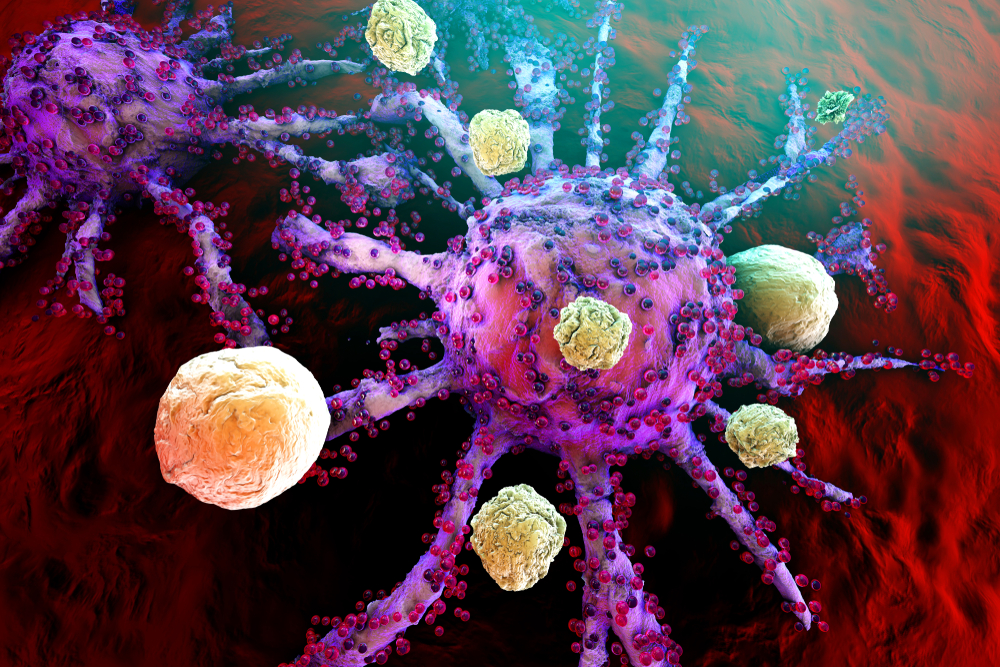
Pancreatic cancer is one of the toughest cancers to treat. Most people diagnosed with it face a difficult journey, with less than 10% surviving beyond five years. This alarming number has pushed researchers to search for new and creative ways to fight this deadly disease. One new study from 2025 may have found something remarkable: inside a simple plant we already know from our kitchen, stevia.
A team of scientists discovered that when stevia, the popular natural sweetener, is fermented using healthy bacteria, it produces a compound that can kill pancreatic cancer cells in the lab without harming healthy cells. This exciting research, published in the International Journal of Molecular Sciences, could someday help shape new treatments for one of the deadliest cancers known.
How a Sweet Plant Became a Cancer Fighter
You may already know stevia as a natural sugar substitute, often used by people looking to cut back on sugar. But this study looked at stevia in a completely different way. Researchers found that when they fermented stevia leaves with a probiotic called Lactobacillus plantarum (the same kind of “good bacteria” found in yogurt and fermented foods), something powerful happened.
This fermentation process transformed the regular Stevia Leaf Extract into what the scientists call Fermented Stevia Leaf Extract (FSLE). The FSLE showed stronger cancer-fighting power than plain stevia extract in lab-grown pancreatic cancer cells. Even more interesting, it left normal, healthy cells largely untouched. In other words, the fermentation process changed stevia from a natural sweetener into a potential medical breakthrough.
The Secret Behind the Transformation
So what makes fermented stevia special? The answer lies in a natural plant compound called chlorogenic acid, found in stevia leaves. During fermentation, the probiotics acted like tiny chefs, turning this chlorogenic acid into a new compound called chlorogenic acid methyl ester, or CAME for short.
CAME appears to be the real cancer-fighting ingredient. While chlorogenic acid is already known for its antioxidant properties, the fermentation process supercharges it, giving it a new structure and stronger effects. The researchers saw that the fermented version was far more active in stopping the growth of pancreatic cancer cells in a petri dish than the unfermented version.
To put it simply, fermentation acted like a natural “upgrade,” unlocking hidden potential in the plant. This is similar to how fermentation can make certain foods, like kimchi or yogurt, easier to digest and more nutritious for your gut.
Three Ways Fermented Stevia Targets Cancer Cells
The study found that the newly created compound CAME fights pancreatic cancer in three main ways:
1. It slows down cancer cell growth. CAME blocks the cancer cells from dividing and multiplying. In simple terms, it keeps them “stuck” in place so they can’t grow or spread quickly. Think of it as pressing the pause button on cancer cell growth.
2. It helps the cancer cells self-destruct. CAME triggers what’s called programmed cell death, a natural process where damaged or unhealthy cells break down and disappear. It changes the balance of certain genes that tell a cell whether to survive or die, essentially encouraging the cancer cells to destroy themselves.
3. It may stop cancer from spreading. One of the reasons pancreatic cancer is so deadly is its ability to spread quickly to other organs. CAME seems to boost levels of a protein called E-cadherin, which helps cells stick together. This may prevent cancer cells from detaching and moving to new areas of the body.
A More Precise Attack on Cancer
One of the most promising parts of this study is that the fermented stevia extract seemed to attack only the cancer cells while leaving normal, healthy cells unharmed. That kind of selectivity is rare and valuable in cancer research since most treatments today, like chemotherapy, also damage healthy cells, causing difficult side effects such as nausea, fatigue, and hair loss.
Imagine if future cancer treatments could target only cancer cells and leave the rest of the body intact. That would mean fewer side effects, faster recovery, and a better quality of life for patients. This study gives hope that natural substances could someday inspire gentler, more targeted cancer therapies.
A Note of Caution
Even though the study’s results are exciting, the scientists remind us that this discovery is still in its early stages. The experiments were done in cell cultures, not in animals or humans. That means we don’t yet know if the compound would survive inside the body or work the same way in real life.
In fact, CAME may break down quickly once it enters the digestive system. Our bodies have enzymes that could dismantle it before it reaches any tumor cells. The next step for scientists will be to test CAME in animal studies to see how it behaves inside a living system. Only then can researchers understand whether this natural compound has real potential as a cancer therapy.
Your Action Plan for Better Health
While this fermented stevia compound is not available as a supplement or medicine, the good news is that both probiotics and plant-based antioxidants are already part of a healthy diet. And for families, especially busy moms or adults looking to stay healthy, small changes can make a big difference.
Here’s how you can take inspiration from this study in your own life:
1. Add more probiotic foods to your diet.Probiotics are the “good bacteria” that keep your gut healthy and support your immune system. You can find them in yogurt, kefir, sauerkraut, kimchi, and other fermented foods. These foods help balance your gut bacteria and may even play a role in lowering inflammation in the body.
2. Eat a colorful, plant-rich diet. Chlorogenic acid and similar compounds are found in many everyday foods, especially fruits, vegetables, coffee, and tea. Try to include a rainbow of foods like apples, pears, berries, artichokes, and leafy greens in your meals. These provide antioxidants that help protect your cells from damage and can boost your long-term health.
3. Limit added sugars and processed foods. While stevia is often used as a sugar alternative, it’s best to use all sweeteners in moderation. A diet high in added sugars can feed inflammation and increase the risk of chronic diseases like diabetes, heart disease, and cancer. Focus instead on whole, nutrient-dense foods that nourish your body.
4. Make small, consistent changes. You don’t need to overhaul your diet overnight. Start by swapping one sugary drink for water or tea, or adding a serving of fermented food a few times a week. These small steps can have a big impact over time.
5. Stay informed about research. Studies like this show how science continues to explore nature for answers to our toughest health problems. While it’s too soon to call fermented stevia a “cure,” this kind of research opens the door to new ideas about how probiotics and natural compounds can work together for better health.
A Hopeful Outlook
Pancreatic cancer is one of the most aggressive cancers, and new treatments are desperately needed. While fermented stevia is far from becoming a medicine, this research gives us a glimpse of how even simple natural ingredients can inspire new ways to fight disease.
For now, the best thing any of us can do is take care of our overall health through nutritious eating, regular movement, good sleep, and supporting our gut with probiotic and polyphenol-rich foods. Our daily choices may not cure cancer, but they do strengthen the body’s natural defenses and improve overall well-being.
It’s amazing to think that something as simple as fermentation—the same process that makes yogurt or sourdough bread—could one day lead to a discovery that changes how we fight cancer. Nature continues to remind us that healing often starts with what we eat and how we care for our bodies.
Source:
Zhang, R., Danshiitsoodol, N., Noda, M., Yonezawa, S., Kanno, K., & Sugiyama, M. (2025). Stevia Leaf Extract Fermented with Plant-Derived Lactobacillus plantarum SN13T Displays Anticancer Activity to Pancreatic Cancer PANC-1 Cell Line. International Journal of Molecular Sciences, 26(9), 4186. https://doi.org/10.3390/ijms26094186
Some of the links I post on this site are affiliate links. If you go through them to make a purchase, I will earn a small commission (at no additional cost to you). However, note that I’m recommending these products because of their quality and that I have good experience using them, not because of the commission to be made.




 JOIN OVER
Comments