
Paper Coffee Cups May Be Leaching Microplastics and Chemicals Into Your Drink
Last updated on
Paper coffee cups are widely perceived as a safer and more natural alternative to plastic cups, especially among people who are trying to reduce their environmental footprint or make healthier lifestyle choices. The word “paper” itself creates an impression of simplicity and biodegradability, leading many to believe these cups pose little to no health risk. For millions of people, grabbing a hot coffee or tea in a paper cup is part of a daily routine that feels harmless and familiar. This habit is so ingrained that few stop to consider what happens at a chemical level when boiling hot liquid meets a disposable container designed for convenience rather than long-term safety. What recent research reveals is far more unsettling. Scientists now warn that this everyday habit may introduce invisible contaminants directly into your drink. When hot beverages sit in disposable paper cups, microscopic plastic particles, chemical ions, and heavy metals can migrate into the liquid. These substances cannot be detected by taste or smell, which makes the exposure easy to overlook. Over weeks, months, and years, repeated intake from daily coffee or tea consumption could quietly add to the body’s overall toxic load, raising concerns that extend far beyond a single cup of coffee.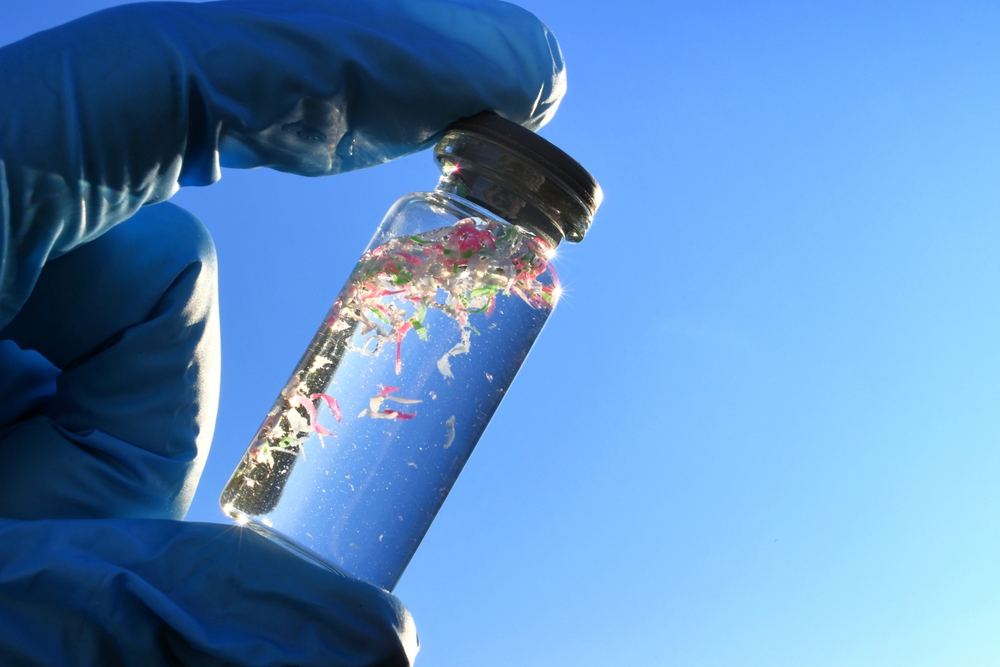
What Scientists Observed When Hot Liquid Met Paper Cups
Researchers set out to understand what actually happens when hot liquid is poured into disposable paper cups, and their findings challenge long-held assumptions. According to the study, “Exposure to hot liquid for 15 minutes makes plastic-coated disposable paper cups release tiny plastic particles, harmful ions and heavy metals into liquid.” This observation confirms that the materials used in these cups are not inert under heat and that temperature plays a decisive role in contamination. To reach this conclusion, scientists poured hot ultrapure water into standard 100 ml paper cups and allowed it to remain there for 15 minutes, simulating real-world use. Afterward, they added a specialized dye that binds to plastic particles, making them visible and measurable. The analysis revealed a striking level of contamination that could only have originated from the cup itself, not the water. The researchers found that each paper cup released approximately 25,000 tiny plastic particles into the hot liquid. They further explained that “a person drinking three cups of tea or coffee daily might ingest 75,000 tiny plastic particles that are invisible to the human eye.” This means that what seems like a modest daily habit could lead to substantial cumulative exposure over time, especially for people who rely on takeout beverages throughout the day.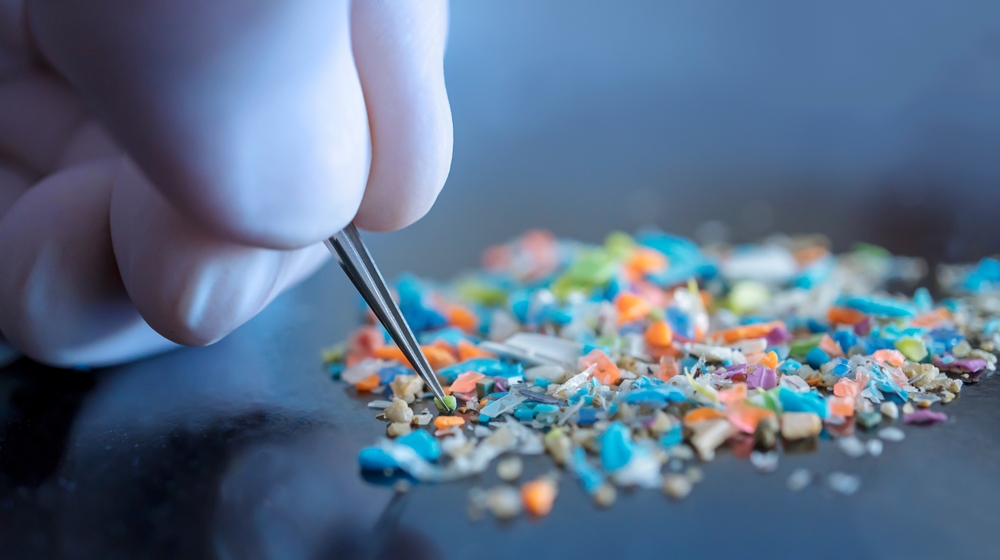
Why Paper Cups Contain Plastic in the First Place
Despite their appearance, paper cups are not made entirely of paper. To prevent leakage and structural collapse, manufacturers line the interior of these cups with a thin layer of plastic. This coating allows the cup to hold hot liquids without soaking through, but it also introduces a synthetic material into direct contact with your drink. At room temperature, this plastic lining remains relatively stable, which explains why the researchers detected no contamination when the cups held cool water. Heat, however, alters the chemical structure of the plastic layer. When exposed to hot beverages, the lining begins to weaken, allowing microscopic fragments to detach and mix with the liquid. The duration of contact matters as well. A drink that sits in the cup for several minutes gives the plastic more time to degrade and release particles. Slowly sipping a hot beverage during a commute or work session may therefore increase exposure compared to drinking it quickly, a detail that makes this issue particularly relevant to modern lifestyles.
Chemical Ions and Heavy Metals Found in Hot Drinks
The study did not stop at identifying plastic particles. Researchers also detected a range of chemical ions, including fluoride, chloride, sulfate, and nitrate, all of which migrated into the hot water from the cup. These ions are not expected to appear in ultrapure water, which confirms that the cup materials were the source. Even more concerning was the presence of toxic heavy metals such as lead, chromium, cadmium, and arsenic. These metals were absent when the cups held room-temperature water, reinforcing the conclusion that heat triggered their release. This suggests that inks, adhesives, and other manufacturing components may also contribute to contamination. Heavy metals are known to accumulate in the body over time. Chronic exposure, even at low levels, has been linked to neurological stress, kidney strain, and cardiovascular issues. Finding these substances in something as routine as a paper coffee cup raises serious questions about repeated, long-term exposure from everyday habits.
What Microplastics May Do Inside the Body
Once microplastic particles enter the body, their journey does not necessarily end in the digestive tract. Emerging research suggests that these particles may interact with gut tissue and immune cells rather than passing straight through without effect. Their small size allows them to come into close contact with biological systems. Microplastics have been associated with inflammatory responses and disruptions to gut microbial balance in experimental studies. Because gut health influences digestion, immunity, and even mental well-being, ongoing irritation or imbalance may have broader implications for overall health. The gut is also a key site for detoxification and immune signaling, making it especially sensitive to foreign particles. Another concern is that microplastics can act as carriers. Chemical additives and heavy metals can adhere to their surfaces, allowing multiple contaminants to enter the body together. This combined exposure may amplify biological stress compared to exposure to a single substance alone.
Links to Hormonal, Reproductive, and Neurological Health
Many disposable paper cups contain plastic additives such as BPA and phthalates, substances widely studied for their effects on hormone regulation. These chemicals can interfere with the body’s endocrine system by mimicking or blocking natural hormones, which guide essential functions throughout life. Hormonal disruption has been linked to fertility challenges, menstrual irregularities, and altered sperm quality. It has also been associated with developmental and neurological concerns, particularly when exposure occurs repeatedly over time. The brain and nervous system are especially sensitive to chemical interference, making this a critical area of concern. The researchers warned that ingesting these contaminants could increase “the risk of developing reproductive defects, cancer and even neurological disorders.” While occasional exposure is unlikely to cause immediate harm, the potential risk lies in repeated daily intake from a habit many people do not question.
Why Heat Changes Everything
One of the clearest findings from the study is the decisive role of heat. When the same paper cups held water at room temperature, no plastic particles or ions were detected. This confirms that temperature is the trigger that initiates chemical and particle release. Heat increases molecular movement and weakens the bonds within plastic coatings. Hot liquids also act as more effective solvents, drawing substances out of packaging materials more easily than cold liquids. This explains why hot coffee, tea, and soup are far more likely to become contaminated than cold beverages. This insight also extends beyond paper cups. Any hot food or drink served in plastic-lined containers may carry similar risks, making it important to think more broadly about how heat and packaging interact in daily life.Healthier Alternatives for Hot Beverages
Fortunately, reducing exposure does not require giving up your favorite hot drinks. Switching to safer materials can significantly limit the amount of microplastics and chemicals that enter your body. Reusable stainless steel mugs provide a durable and travel-friendly option for daily use. Glass cups with protective sleeves offer another non-reactive choice that does not leach chemicals into hot liquids. Ceramic mugs remain one of the safest options for home and office settings. Bringing your own cup when buying coffee outside can make a meaningful difference. Many cafes support reusable cups and some offer incentives for doing so. These choices protect both personal health and the environment without sacrificing convenience.Rethinking Convenience and Everyday Habits
Disposable packaging was designed for speed and ease, not for long-term health protection. Paper cups, often promoted as an environmentally friendly solution, may create a misleading sense of safety when their plastic lining is ignored. This research encourages a closer examination of daily habits that seem minor but occur repeatedly. Small exposures, when accumulated over years, can have a meaningful impact on health. Awareness allows you to make informed decisions rather than relying on assumptions. Choosing safer containers for hot drinks is a simple step toward reducing unnecessary chemical intake. By questioning what has become normal, you give yourself the opportunity to protect your health in quiet but powerful ways.Some of the links I post on this site are affiliate links. If you go through them to make a purchase, I will earn a small commission (at no additional cost to you). However, note that I’m recommending these products because of their quality and that I have good experience using them, not because of the commission to be made.


 JOIN OVER
Comments