Something strange has been happening in dental chairs across America. Patients walk in for routine cleanings and leave with unexpected diagnoses. Dentists examine mouths and find decay where there was none before. Gums bleed more easily. Teeth feel sensitive to hot and cold. And many of these patients share one thing in common.
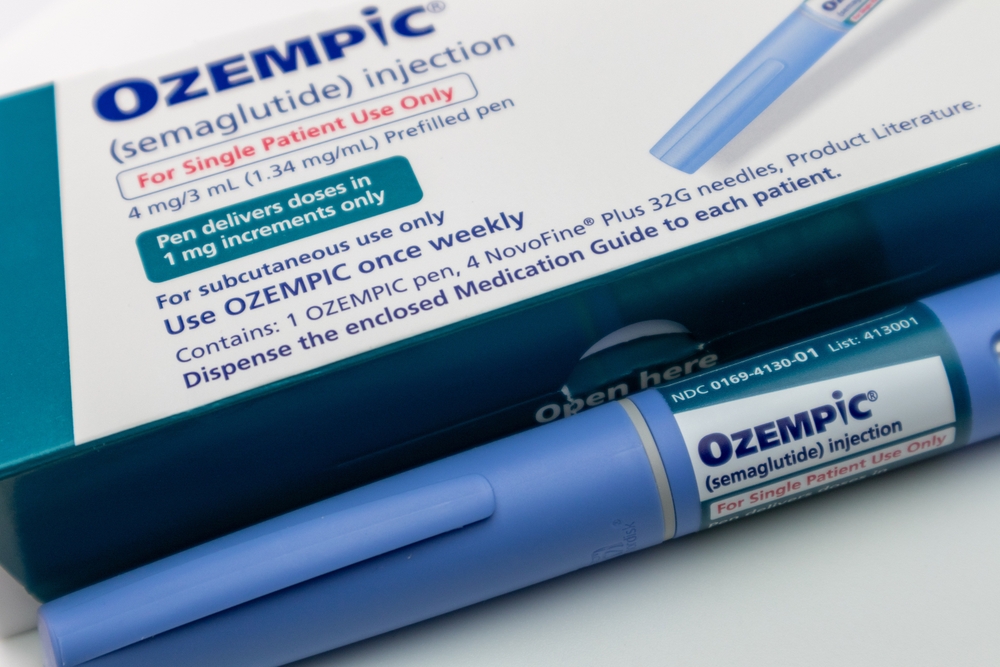
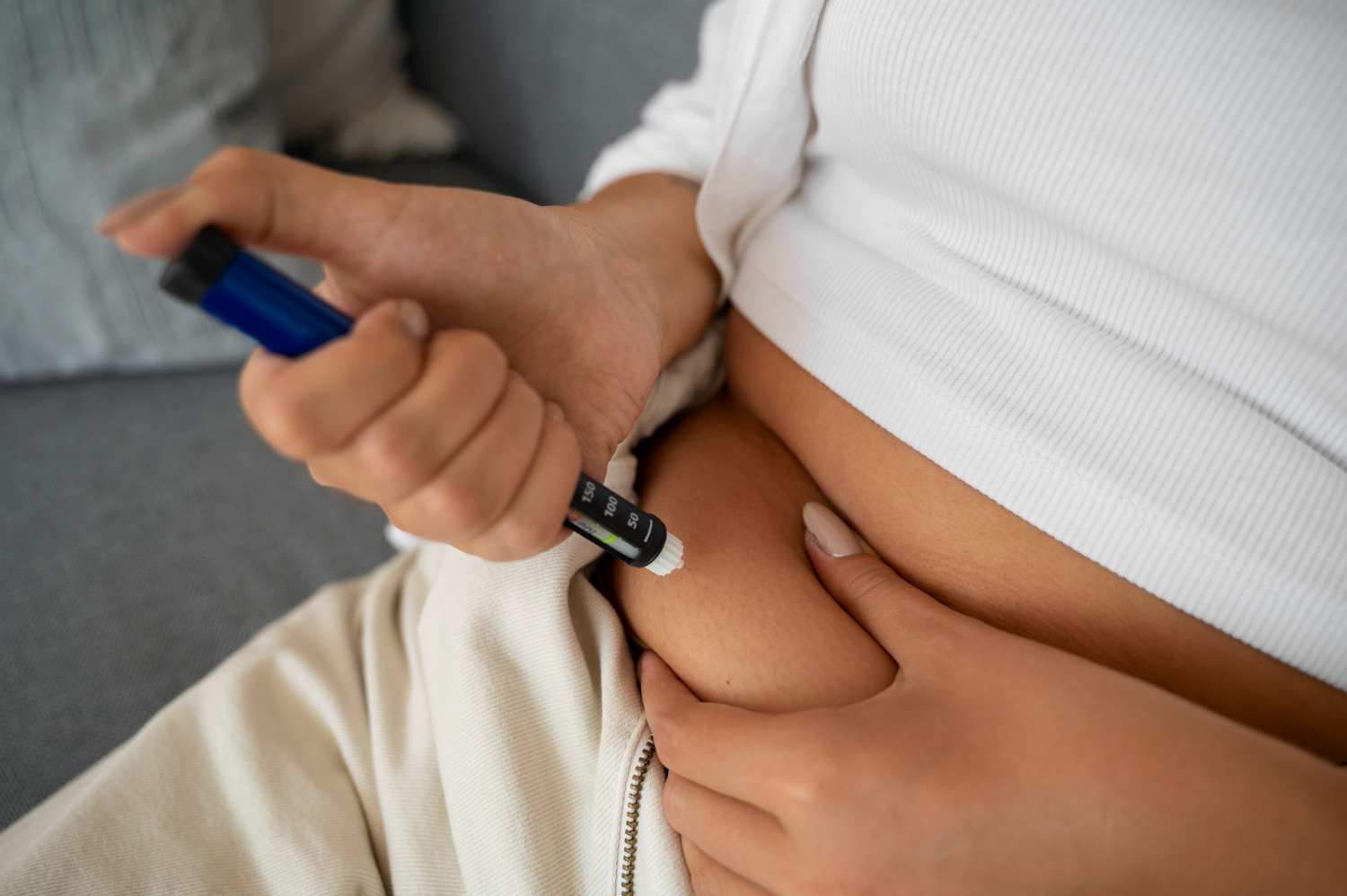
GLP-1 medications have taken center stage in conversations about weight loss and diabetes management. Celebrities from Oprah Winfrey to Sharon Osbourne have spoken openly about using these drugs. Approximately 5.7 million Americans now take them, according to a 2024 KFF Health Track study. Yet as prescriptions rise, so do reports of an unexpected problem that has earned its own nickname online.
“Ozempic teeth” has become a catch-all term for oral health problems reported by people taking semaglutide and similar medications. Dentists and patients have started sharing alarming stories on social media platforms, describing everything from minor sensitivity to severe tooth loss. But what exactly causes these problems? And should millions of GLP-1 users be worried about their smiles?
What “Ozempic Teeth” Actually Looks Like
https://www.youtube.com/watch?v=y8qoAnq5QVk
Reports from dental professionals paint a concerning picture. Patients describe tooth decay appearing faster than expected. Enamel erodes. Sensitivity increases. Dry mouth becomes a constant companion. Gums grow inflamed and bleed during brushing. Bad breath lingers despite regular oral hygiene. In severe cases, teeth crack or become loose.
Cosmetic dentist Catrise Austin has witnessed these patterns firsthand in her practice. “While not officially labeled as a clinical diagnosis, ‘Ozempic teeth’ is becoming a catch-all phrase describing the sudden onset of dental decay, sensitivity, and even tooth loss in patients on these medications,” Austin told Healthline.
GLP-1 drugs themselves do not damage teeth directly. Instead, they may create conditions that increase dental risks. Ozempic, Wegovy, Mounjaro, Trulicity, Saxenda, and other medications in this class all carry similar potential for these side effects. Understanding why requires a closer look at how these drugs affect the body.
Dry Mouth and Its Domino Effect
Saliva does more than most people realize. It washes away food particles stuck between teeth. It neutralizes acids that would otherwise eat away at enamel. It delivers minerals that strengthen and protect tooth surfaces. When saliva production drops, teeth lose a crucial line of defense.
GLP-1 medications alter how substances move through the gastrointestinal tract. Ann Marie Defnet, an obesity medicine specialist at Northwell Health, explained that all GLP-1 agonists cause changes in GI secretions, which can affect saliva production. Patients taking these drugs also tend toward dehydration because they often feel neither hungry nor thirsty.
“Reduced salivary flow is one of the most common complaints I hear from patients on GLP-1 medications,” Austin said. “Saliva is essential for neutralizing acids and protecting enamel. When it’s diminished, the risk of decay and gum disease rises sharply.”
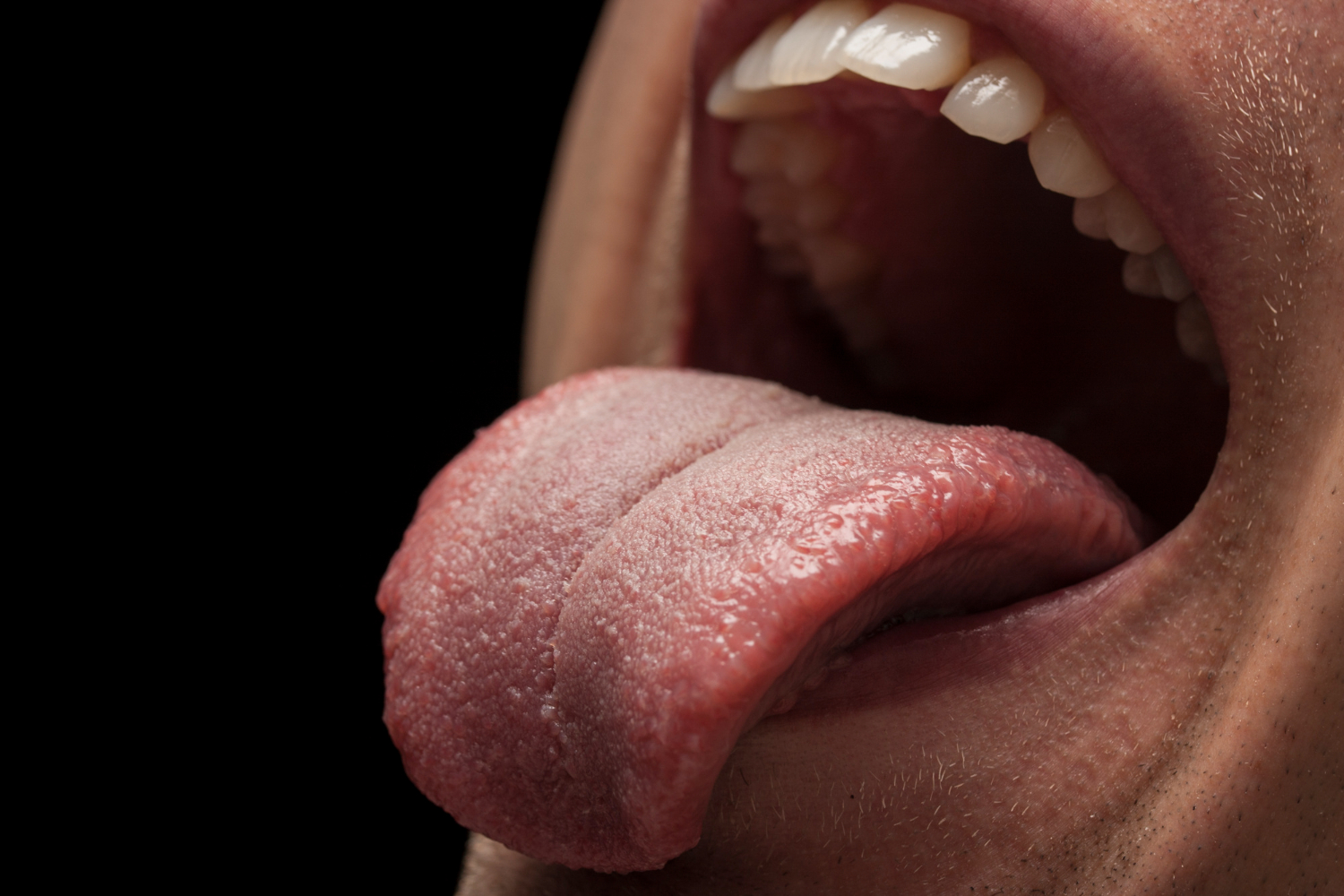
Dry mouth symptoms extend beyond simple discomfort. Patients may feel constantly thirsty, have trouble swallowing, notice a sticky sensation in their mouths, or develop dry and cracked lips. Plaque builds up more quickly without adequate saliva to wash it away. Bacteria in that plaque, combined with acidic foods and drinks, erode tooth enamel and set the stage for decay.
Nausea, Vomiting, and Acid Damage
Gastrointestinal side effects rank among the most common complaints from GLP-1 users. FDA data shows nausea affects 16 to 20 percent of Ozempic patients. Between 5 and 9 percent experience vomiting. While these symptoms often decrease over time, their impact on oral health can be lasting.
Stomach acid is highly corrosive. Each time it contacts tooth enamel during vomiting or acid reflux, it wears away protective layers. GLP-1 medications slow digestion, which can increase stomach acid production. When that acid travels upward through reflux, heartburn, or vomiting, teeth suffer the consequences.
Defnet noted that vomiting is not a typical symptom and should prompt a conversation with a medical provider. Patients who vomit frequently while on GLP-1 drugs may need dosage adjustments or additional medications to protect their stomachs. Chronic vomiting can damage not only teeth but also the throat and esophagus.
Brushing immediately after vomiting might seem like the right response, but timing matters. Scrubbing acid-weakened enamel can cause additional damage. Rinsing with water and baking soda first helps neutralize stomach acid and brushing can safely remove residue.
Appetite Suppression and Nutritional Gaps
GLP-1 medications work partly by reducing appetite. For many users, eating less comes easily because hunger signals quiet down. Yet reduced food intake can lead to nutritional deficiencies that affect oral health in ways patients might not anticipate.
Vitamins play crucial roles in maintaining healthy gums. Vitamin C supports gum tissue integrity. Vitamin D aids calcium absorption and bone health. B vitamins contribute to cell regeneration in the mouth. When appetite suppression leads to inadequate nutrition, gum tissue can weaken, and healing can slow after dental procedures.
Ehsan Ali, a board-certified internal medicine specialist, emphasized that dental health connects to overall health. Poor oral hygiene can increase risks for infections, inflammation, and even heart disease over time. Skipping meals might accelerate weight loss, but it can also deprive the body of nutrients, teeth and gums need.
Calcium deserves special attention for anyone concerned about oral health. Strong teeth require adequate calcium intake. Patients who eat very little may not consume enough dairy products, leafy greens, or other calcium-rich foods to maintain dental strength.
Neglected Brushing When Feeling Unwell
Nausea can make even simple tasks feel overwhelming. When patients feel sick, oral hygiene routines often suffer. Brushing and flossing may seem like low priorities compared to managing queasiness or fatigue.
Austin observed that some patients neglect regular brushing and flossing while feeling unwell, which can lead to accelerated tooth decay. Skipping even a few days of proper oral care allows plaque to accumulate. Bacteria multiply. Gum irritation increases. Problems that might have been prevented with consistent hygiene take root and grow.
Ketosis and Bad Breath
Some GLP-1 users eat so little that their bodies enter ketosis, a metabolic state where fat becomes the primary fuel source. Ketosis produces a distinct odor on the breath, often described as fruity or acetone-like.
Defnet noted that ketosis-related breath occurs mostly in people who have stopped eating fat entirely. Not every GLP-1 user will experience this effect, but those who restrict their diets severely may notice persistent bad breath that regular brushing cannot eliminate.
Hydration as a First Line of Defense
Water may be the simplest solution to many GLP-1-related oral health concerns. Drinking throughout the day counters dry mouth, helps wash away food particles, and supports saliva production.
Defnet offered straightforward advice for her patients. “One of the big things I always counsel my patients on is they just have to remember to continue to drink water, even if they’re not thirsty, even if they’re not hungry,” she said. “That seems to help with all of these symptoms.”
Patients who do not receive proper counseling about hydration may allow dehydration to accumulate over time. Without a healthcare provider emphasizing water intake, dry mouth and its consequences can worsen gradually until significant damage has occurred.
Sugar-free gum offers another tool for stimulating saliva production. Chewing prompts salivary glands to work harder, providing temporary relief from dry mouth symptoms. Mouth rinses designed to promote saliva can also help patients who struggle with persistent dryness.
Oral Hygiene Habits That Matter
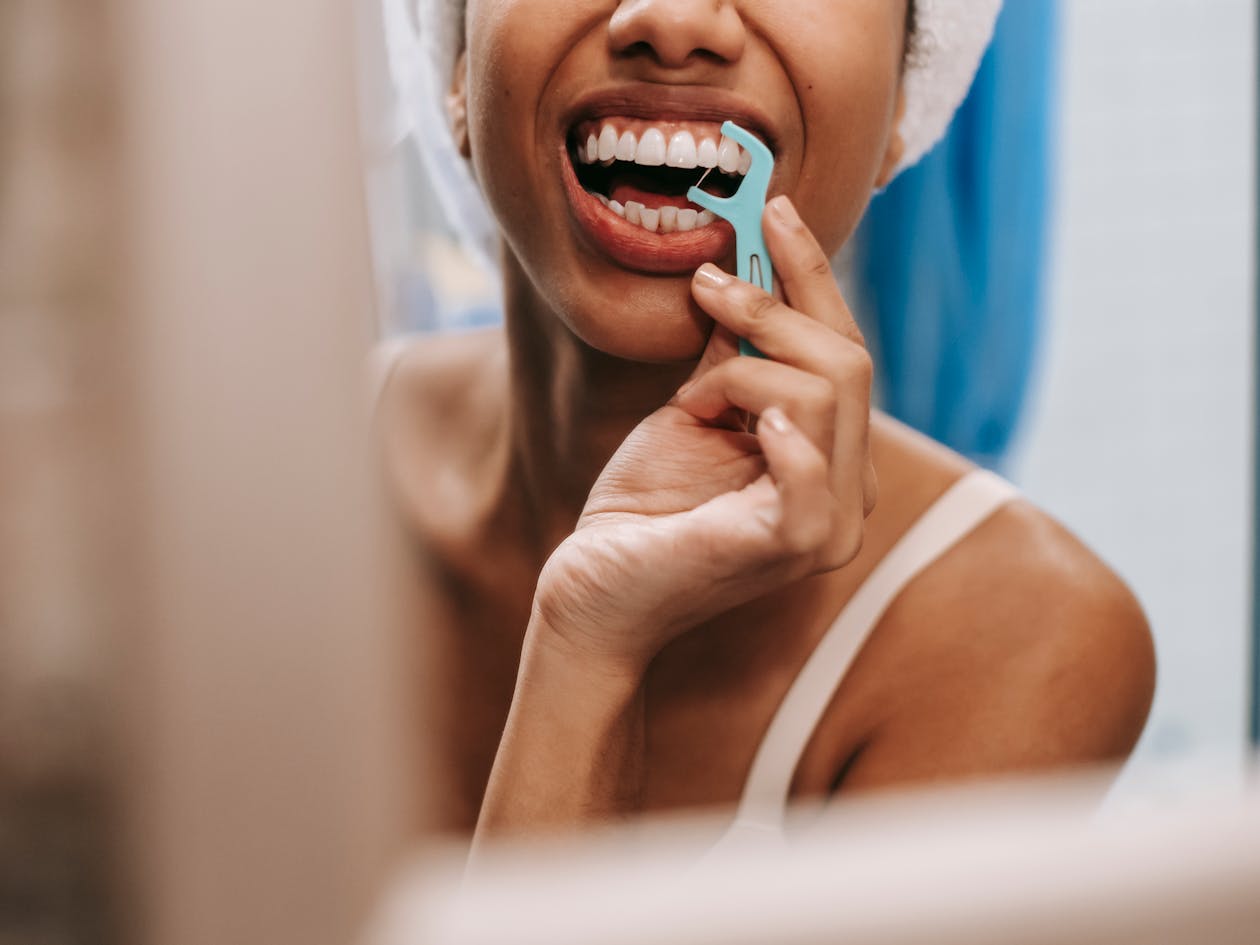
Consistent oral care becomes even more important for GLP-1 users. Brushing twice daily with fluoride toothpaste removes plaque before it can harden into tartar. Flossing daily clears debris from spaces that toothbrushes cannot reach. Fluoride rinses add an extra layer of protection against cavities.
Dietary choices also affect dental outcomes. Acidic drinks like soda, citrus juices, and sports beverages wear down enamel over time. Sugary snacks feed bacteria that produce acid as a byproduct. Sticky candies cling to tooth surfaces and extend acid exposure. Limiting these foods and beverages reduces stress on already vulnerable teeth.
Alcohol, tobacco, and caffeine can all worsen dry mouth symptoms. Patients concerned about oral health may benefit from reducing or eliminating these substances while taking GLP-1 medications.
Eating Well Despite Reduced Appetite
Skipping meals entirely may seem like a shortcut to faster weight loss, but teeth and gums pay the price. Ali recommended avoiding meal skipping even when hunger feels absent. Nutrients like calcium and vitamin D support oral health in ways that supplements alone cannot always replicate.
A balanced diet prevents the nutritional gaps that weaken gum tissue and slow healing. Patients can work with nutritionists or healthcare providers to develop eating plans that support weight loss goals without sacrificing dental health.
Warning Signs That Require Attention
Recognizing problems early makes treatment easier and prevents permanent damage. Ali outlined clear signals that should prompt a dental visit. “If you’re noticing new sensitivity, bleeding gums, bad breath that won’t go away, or any sudden changes like loose teeth or breakage, it’s time to call your dentist,” he said.
Visible enamel erosion, gum recession, and slower healing after dental procedures also warrant professional evaluation. Patients who experience frequent vomiting should speak with the physician managing their weight loss treatment. Dosage adjustments or additional medications may help protect the stomach and, by extension, the teeth.
Why Your Dentist Needs to Know
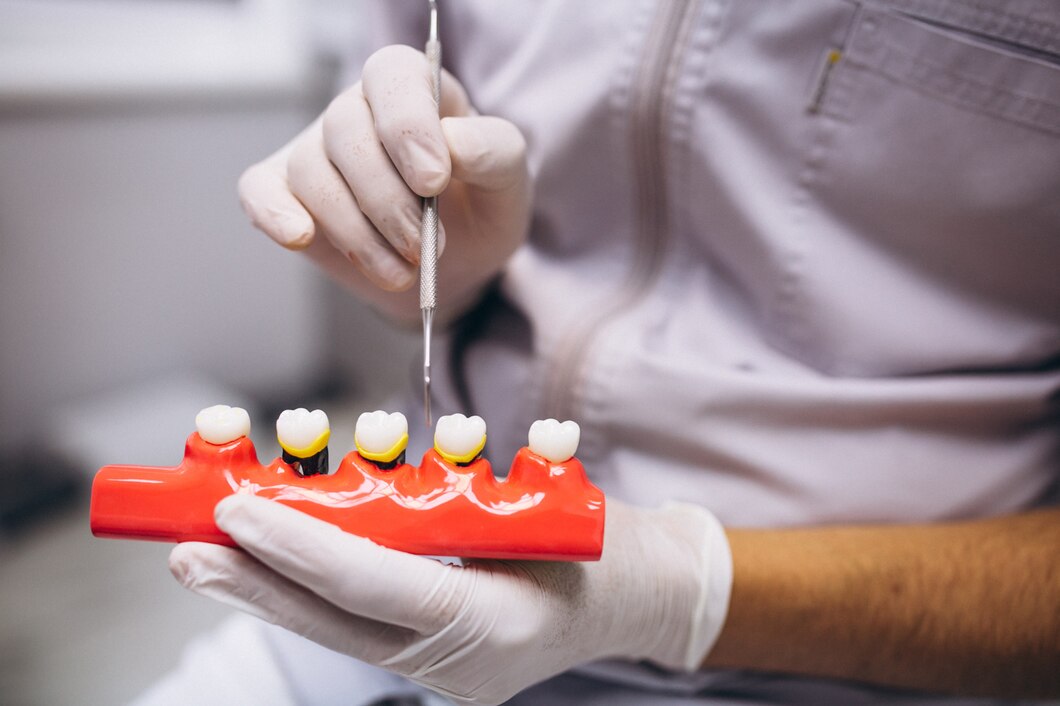
Dental professionals can provide better care when they understand what medications patients take. Periodontal disease requires professional diagnosis and treatment. Awareness of GLP-1 use allows dentists to monitor for changes in teeth and gums more closely.
Defnet emphasized that dentists should know when patients take these medications because GLP-1 drugs impact saliva and could affect periodontal health. Many other medications also influence oral health, making full disclosure essential for comprehensive dental care.
No Need to Stop Treatment
GLP-1 medications offer significant benefits for diabetes management and weight loss. Reports of oral health complications should not prompt patients to abandon treatments that improve their overall health. Instead, awareness and preventive care allow patients to protect their smiles while continuing their prescriptions.
Prescribing physicians can adjust dosages if side effects become problematic. Additional medications can help manage nausea or excess stomach acid. Working closely with both medical and dental professionals gives patients the best chance of benefiting from GLP-1 treatment without sacrificing oral health.
Early Action Prevents Lasting Damage
Unlike some GLP-1 side effects that resolve after stopping medication, dental damage may not reverse on its own. Eroded enamel does not regenerate. Lost teeth do not grow back. Catching problems early remains the best strategy for preserving long-term oral health.
Some of the links I post on this site are affiliate links. If you go through them to make a purchase, I will earn a small commission (at no additional cost to you). However, note that I’m recommending these products because of their quality and that I have good experience using them, not because of the commission to be made.





 JOIN OVER
Comments