Depression and persistent low moods affect millions worldwide, yet the standard route of prescription medication often comes with inconsistent results and significant side effects. While the medical community typically looks to complex pharmaceuticals for solutions, researchers at the University of Arizona recently discovered a potent alternative hiding in plain sight. Their study suggests that a common, low-cost kitchen staple—likely already sitting in your cabinet—possesses a surprising ability to alter brain chemistry and alleviate symptoms, challenging the conventional assumption that effective mental health treatment requires expensive intervention.
The Kitchen Cabinet Staple That Boosts Mood
A recent study published in the journal Nutrients suggests a potential mental health aid sits right in the kitchen cabinet. Researchers from the University of Arizona investigated whether daily vinegar consumption could positively impact mood. The team, led by dietitian Hailey Barrng, recruited 28 healthy but overweight adults for a four-week randomized controlled trial to test this theory.
Participants were divided into two distinct groups to isolate the effects of the ingredient. One group consumed two tablespoons of red wine vinegar diluted in water twice a day. The other group took a daily pill containing a negligible amount of vinegar to serve as a placebo. Throughout the month, both groups completed standard questionnaires designed to track changes in their mental state.
The findings revealed a significant gap between the two groups. Participants consuming the liquid vinegar reported a 42% reduction in depressive symptoms based on the Patient Health Questionnaire (PHQ-9). In contrast, the control group taking the placebo pill saw only an 18% decrease.
While the study focused on healthy adults rather than patients with a clinical diagnosis of major depressive disorder, the results indicate a clear link between this fermented staple and emotional well-being. The researchers noted in their report that the data provides support for daily vinegar consumption improving depressive symptoms. This offers a promising foundation for further research into low-cost, accessible interventions for mood regulation.
How Vinegar Changes Brain Chemistry
The study went beyond survey responses to investigate the biological drivers behind the improved mood scores. Researchers analyzed blood samples to monitor specific biochemical pathways and found a distinct metabolic shift in the participants who consumed vinegar. The most significant discovery was an 86% surge in nicotinamide levels.
Nicotinamide is a form of Vitamin B3 that plays a vital role in fueling the NAD+ pathway. This biological system is responsible for recycling cellular energy throughout the body. The sharp increase in this nutrient is substantial because medical research associates higher nicotinamide availability with reduced inflammation. Chronic inflammation is increasingly recognized by the psychiatric community as a potential biological contributor to depression and low mood.
https://www.youtube.com/watch?v=8cTB3AfaRwU
The primary component of vinegar, acetic acid, appears to be the catalyst for these changes. Acetic acid activates an enzyme known as AMP-activated protein kinase. This enzyme acts as a sensor that signals the body to produce more NAD+. When NAD+ levels rise, brain cells become more efficient at repairing DNA damage and maintaining healthy mitochondria, the power plants of the cell.
Previous animal research supports these findings. Lab studies on mice have demonstrated that boosting NAD+ levels can protect neurons from the damaging effects of stress hormones. By increasing nicotinamide, vinegar essentially provides the brain with an energy boost and strengthens its defense systems against biological stress.
Strengthening the Gut-Brain Connection
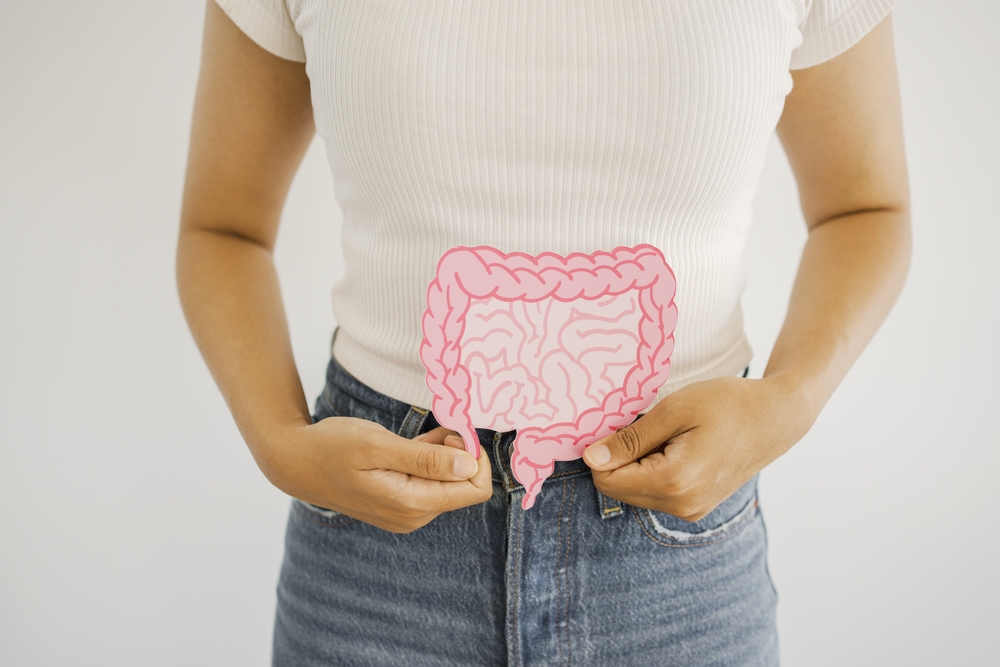
Beyond the metabolic changes found in blood samples, the benefits of vinegar likely originate in the digestive system. Modern science increasingly focuses on the communication network linking the emotional centers of the brain with intestinal functions. Vinegar appears to play a constructive role in this dialogue by influencing the internal environment of the gut.
Acetic acid does more than just activate enzymes; it helps shape the microbiome. This compound encourages the growth of specific beneficial bacteria strains. These microbes are essential because they produce the chemical precursors necessary for synthesizing neurotransmitters. When the gut population is healthy and diverse, it supports the production of these mood-regulating chemicals that the brain requires for stability.
This process establishes a positive feedback loop. By improving the health of the microbiome, vinegar helps regulate the signals sent from the gut to the nervous system. While the University of Arizona study highlighted the metabolic spikes in Vitamin B3, this influence on digestive health offers another layer of explanation for the improved depression scores. It reinforces the growing consensus among researchers that mental health relies heavily on the physical state of the digestive tract.
Safe Consumption and Practical Dosage
Implementing this finding into a daily routine is low-cost and accessible, but it requires adherence to specific protocols to prevent side effects. The study achieved results using two tablespoons of red wine vinegar diluted in water, taken twice daily. While the research utilized red wine vinegar, apple cider vinegar contains similar acetic acid concentrations and serves as a viable alternative.
For those who find the taste of diluted vinegar unpalatable, integration into meals is an effective strategy. Using vinegar as a base for salad dressings or mixing it into marinades ensures the necessary intake without the sharp, overpowering flavor of drinking it straight.
Despite its benefits, acetic acid is potent and can damage tooth enamel. To mitigate this risk, it is essential to dilute the vinegar heavily and rinse the mouth with plain water immediately after consumption. Never drink vinegar undiluted.
https://www.youtube.com/watch?v=T7FaD6jw2vU&t=3s
Certain medical conditions also require caution. The high acidity can aggravate symptoms in individuals with acid reflux or gastroesophageal reflux disease (GERD). Furthermore, people with kidney disease or those managing diabetes should consult a physician before adopting this regimen. Vinegar can lower potassium levels and affect blood sugar control, potentially interacting with diuretics or insulin.
Crucially, this dietary adjustment is a supportive tool, not a replacement for clinical treatment. The study participants had mild symptoms, and the trial lasted only one month. Patients currently on antidepressants should not discontinue or alter their medication without medical supervision. If used correctly, however, vinegar represents a low-risk, nutritional strategy to support mental resilience.
Rethinking the Menu for Mental Health
The findings from the University of Arizona underscore that nutrition is a powerful, often underutilized tool for emotional regulation. While pharmaceuticals remain necessary for many, this study proves that affordable dietary changes can produce measurable physiological benefits. Vinegar costs pennies per serving and sits on most grocery shelves, democratizing access to a biological support tool that effectively targets inflammation and energy pathways in the brain without the barriers of insurance or high prescription costs.
However, scientific rigor remains essential. The researchers explicitly state that future trials must examine these effects in populations with diagnosed clinical depression and those currently taking antidepressants. As the team noted, focusing on larger patient samples will strengthen the evidence. Until then, vinegar should be viewed as a scientifically backed supportive measure rather than a standalone replacement for established medical treatments.
The path to mental resilience may begin in the kitchen. Adding vinegar to a daily routine represents a low-risk intervention with potentially high rewards. It serves as a practical reminder that the brain is a physical organ requiring specific fuel to function optimally, and sometimes the most effective fuel is found in the simplest of ingredients.
Some of the links I post on this site are affiliate links. If you go through them to make a purchase, I will earn a small commission (at no additional cost to you). However, note that I’m recommending these products because of their quality and that I have good experience using them, not because of the commission to be made.








 JOIN OVER
Comments