
New Nanoparticle Retinal Implant Shows Vision Restoration in Lab Tests
Last updated on
For millions living with blindness, the idea of seeing again has long felt out of reach. Scientists are now inching closer to making that dream a reality. A recent study describes a retinal implant made of tellurium nanowires, a metallic material capable of converting light directly into electrical signals that the brain can understand. This innovation does more than restore partial vision in blind mice. It also enables sighted primates to perceive near-infrared light, which lies just beyond the natural range of human vision. The discovery opens the door not only to restoring sight but also to enhancing it. The research, led by Shuiyuan Wang and colleagues and published in Science, introduces a new form of neural interface that could one day help millions with retinal disease. It also raises an intriguing question about the future: will technology help us recover what is lost, or extend what is possible?Very excited that the clinical trial results for our PRIMA retinal prosthesis are published today in the New England Journal of Medicine! This is the first time that patients who are blind due to photoreceptor loss have been able to intuitively see again. pic.twitter.com/HIZ6IqmNie
— Max Hodak (@maxhodak_) October 20, 2025
How the Tellurium Nanowire Implant Works
The retina acts like a biological circuit board, capturing light and converting it into electrical impulses that travel to the brain. When diseases like macular degeneration destroy these light-sensitive cells, vision fades permanently. The new tellurium nanowire implant aims to fill that gap. Tellurium, a rare element with unique semiconductor properties, is woven into an ultra-thin lattice of nanowires. Once implanted beneath the retina, this network can absorb both visible and near-infrared light and transform it into natural electrical signals. The process mimics how healthy photoreceptor cells function, but without requiring external power or bulky cameras. In blind mice, the implant reactivated visual reflexes. Their pupils responded to light again, and neurons in the visual cortex fired in recognizable patterns. Behavioral tests showed that these mice could distinguish patterns and locate light sources with accuracy approaching that of normal mice. The simplicity and efficiency of this design set it apart from previous prosthetic attempts that struggled with interference, heat, or mechanical fragility.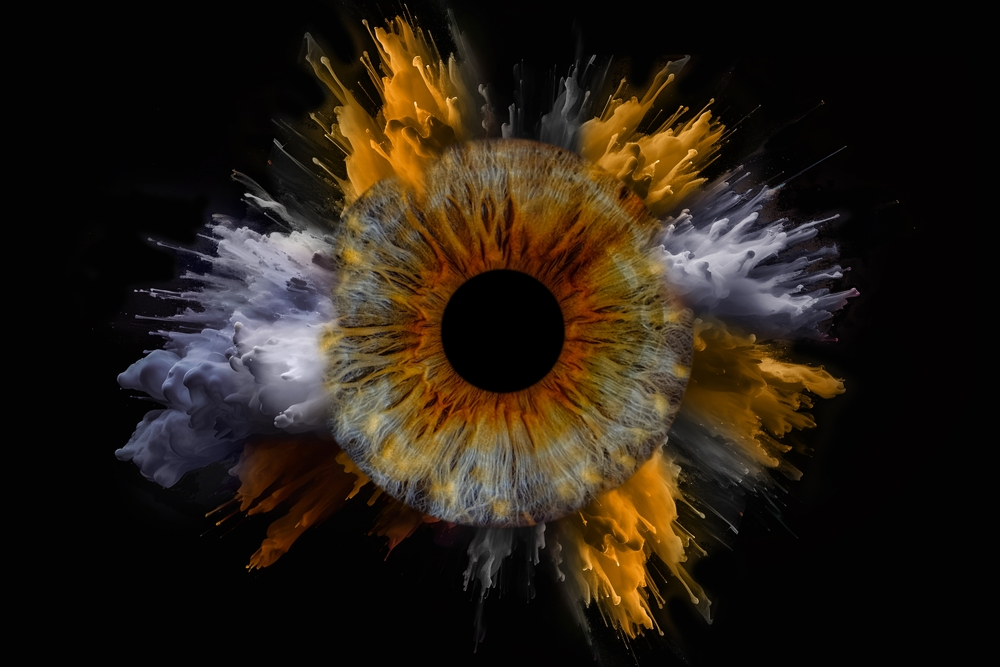
Infrared Vision: Seeing What Nature Conceals
Infrared light sits just beyond what human eyes can detect. It has longer wavelengths and lower energy than visible light, which makes it invisible to us. Some animals, such as snakes and certain fish, naturally detect infrared to sense warmth or navigate in darkness. The tellurium implant’s ability to respond to near-infrared light introduces a remarkable enhancement. In experiments with macaques, the prosthesis expanded the animals’ range of sight, allowing them to detect infrared patterns unseen by ordinary eyes. This could someday give humans an advantage in low-light environments or help those with visual impairments adapt to dim conditions. Beyond medical use, this finding fuels conversations about human sensory expansion. Restoring vision is the first goal, but this kind of research also brings up philosophical and ethical questions about extending human perception. Could the eyes of the future see beyond the limits of biology?Safety, Biocompatibility, and Long-Term Promise
Biocompatibility is the cornerstone of any implantable technology, especially when it involves delicate organs like the eye. The researchers prioritized this by designing the nanowire lattice to be soft, flexible, and stable inside living tissue. In both mice and macaques, the implant settled comfortably within the subretinal space without triggering inflammation or tissue damage. Its light sensitivity remained stable over extended periods, and it did not require any external connections. This passive design minimizes risks while maintaining continuous function. The success in nonhuman primates marks an important step toward clinical testing in humans. However, scientists caution that more research is needed to ensure long-term safety, scalability, and affordability. As Eduardo Fernández noted in a related commentary, accessibility will ultimately determine whether this innovation becomes a global solution or remains a laboratory milestone.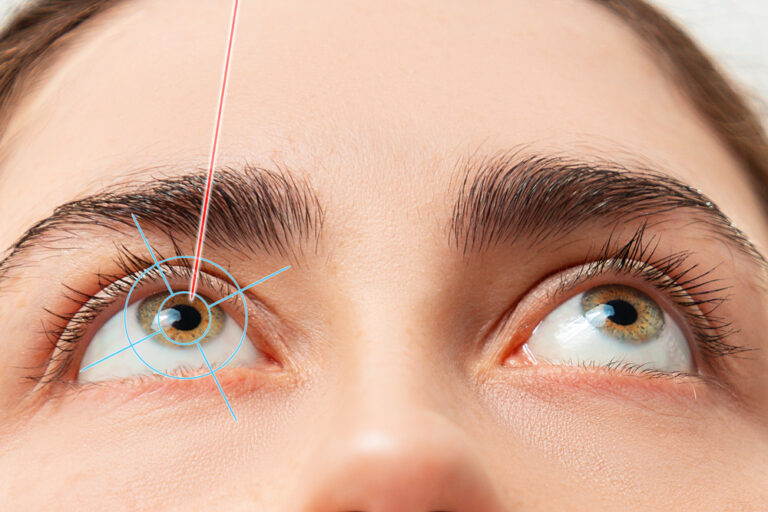
The Science Behind Seeing Again
Vision begins in the retina, where specialized photoreceptor cells convert light into chemical and electrical signals. These signals travel through the optic nerve to the brain’s visual cortex, creating the images we perceive as sight. When these photoreceptors die, as they do in conditions like retinitis pigmentosa or macular degeneration, the communication line is broken. https://youtu.be/GuGsS51tWHY The tellurium nanowire implant acts as an artificial interface, bypassing damaged cells to send signals directly to healthy retinal neurons. The brain, remarkably adaptable, learns to interpret these new signals much like it would natural visual input. This is a striking demonstration of neuroplasticity, the brain’s ability to rewire itself when given the right stimulus. In imaging studies, researchers observed renewed activity in visual processing areas of the brain. Mice with implants showed reflexive pupil contractions, a physiological indicator of restored light perception. These findings suggest that the brain does not need perfect biological tissue to process sight: it only needs meaningful patterns of light and energy.
Supporting Natural Eye Health
While this technology represents the future, there is much you can do right now to protect your natural vision. The eyes are delicate organs, and their health depends heavily on daily choices involving diet, rest, and environment. Eat for your eyes. A diet rich in antioxidants and carotenoids supports the retina’s protective barrier. Include spinach, kale, and carrots for lutein and beta-carotene, and add berries for vitamin C. These nutrients help reduce oxidative stress that contributes to age-related vision loss. Support healthy circulation. The retina relies on oxygen-rich blood to function. Omega-3 fatty acids found in flaxseeds, walnuts, and cold-water fish maintain the health of tiny retinal blood vessels. Hydration also matters, as the eyes depend on fluid balance for nutrient transport. Protect your visual rhythm. Adequate sleep, reduced screen strain, and limited blue light exposure help maintain retinal sensitivity. Following the 20-20-20 rule: every 20 minutes, look 20 feet away for 20 seconds: prevents fatigue and supports long-term clarity. Ayurvedic traditions also offer simple but effective practices for maintaining ocular vitality. Triphala eye rinses, cooling cucumber compresses, and ghee-based eye drops have been used for centuries to refresh and nourish tired eyes. Always consult your healthcare provider before trying new remedies, especially if you have existing eye conditions.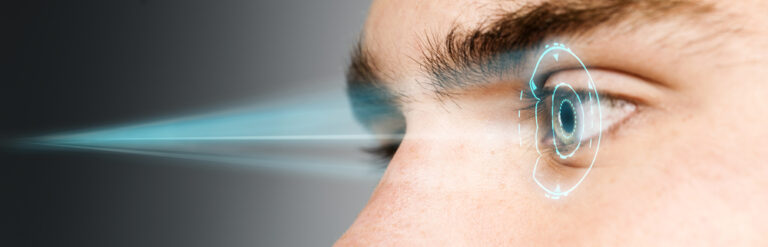
The Road Ahead for Vision Restoration
The tellurium nanowire retinal implant stands as a turning point in vision research. It merges the precision of nanotechnology with the adaptability of biology, creating a bridge between light and consciousness. Yet the true success of such technology will depend not only on its function but on its accessibility. Making this innovation affordable for patients around the world will require collaboration between scientists, healthcare systems, and policymakers. With time, it could offer hope to those living with blindness and inspire a new generation of technologies that blend healing with enhancement.Some of the links I post on this site are affiliate links. If you go through them to make a purchase, I will earn a small commission (at no additional cost to you). However, note that I’m recommending these products because of their quality and that I have good experience using them, not because of the commission to be made.


 JOIN OVER
Comments