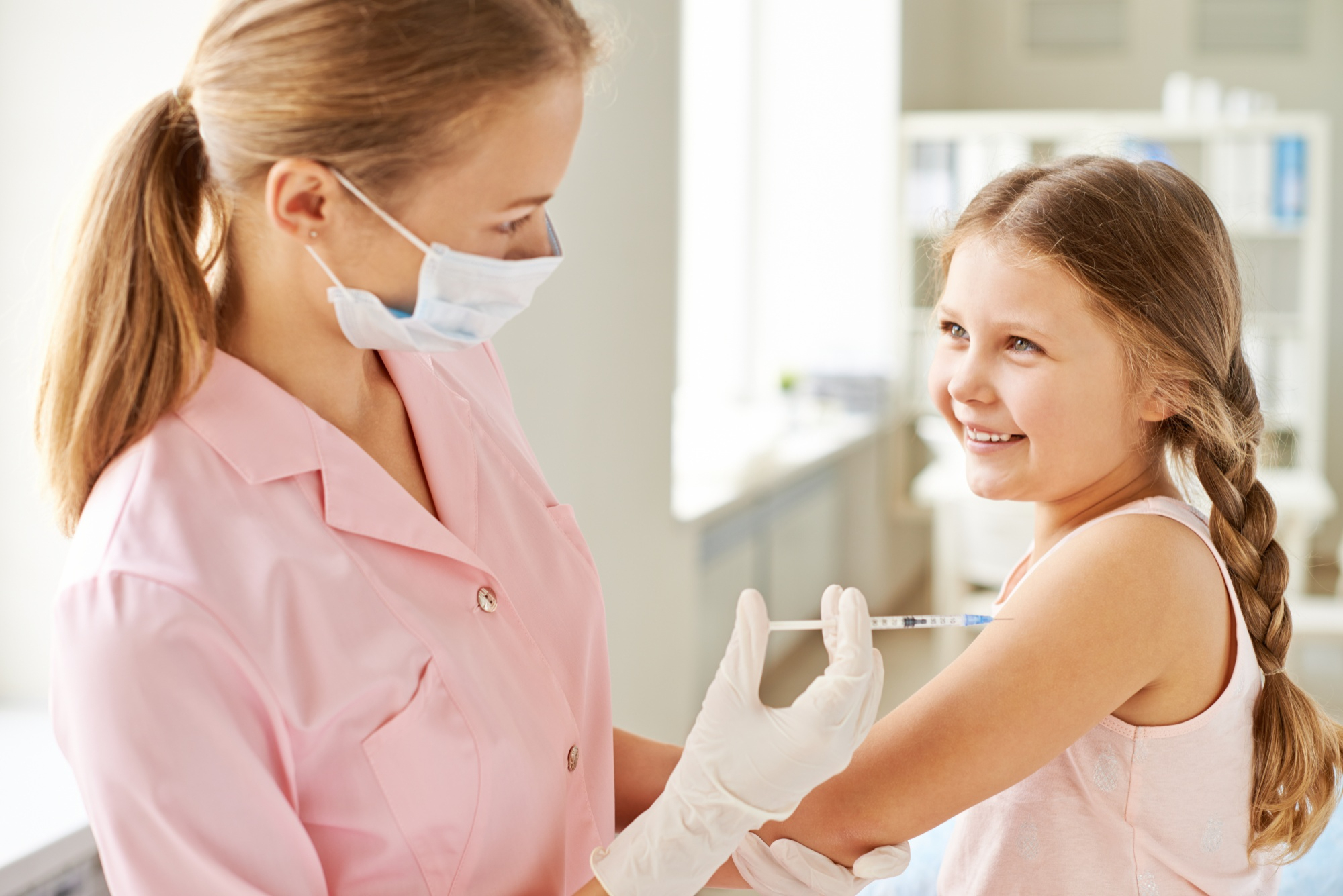
New Evidence Confirms HPV Vaccine Prevents Cervical Cancer

Last updated on

Many people have heard of the HPV vaccine but are still unsure how much it really protects against cervical cancer. Maybe you have wondered if it is truly necessary, if it is safe, or if it actually changes anything in the long run. New research is now answering those questions with much stronger evidence than before, showing how this vaccine is already shaping real life cancer outcomes, especially for younger generations. If you are trying to decide about vaccination for yourself or your child, what scientists are seeing now could make that choice feel much clearer.

What the New Research Really Tells Us

Two huge research projects have now confirmed something important: the HPV vaccine really does prevent cervical cancer. Scientists pulled together results from:
  • 60 clinical trials with over 150,000 people
  • 225 real-world studies involving more than 132 million people worldwide
When they compared people who got the HPV vaccine with those who didn’t, they saw a clear pattern:
  • Girls vaccinated at or before age 16 were about 80% less likely to develop cervical cancer.
  • There were big drops in serious pre-cancerous changes in the cervix (the kind doctors worry may turn into cancer if not treated).
  • Rates of anogenital warts, also caused by HPV, went down as well.
In trials, vaccines like Cervarix, Gardasil, and Gardasil-9 were very good at stopping infection with the HPV types most likely to cause cancer. In real life, using national cancer and vaccine records, countries that introduced the HPV vaccine—especially for young teens—are already seeing fewer cervical cancer cases in young women. The takeaway is simple and powerful: this isn’t just theory anymore. In everyday life, across many countries, getting the HPV vaccine in early adolescence is helping prevent cervical cancer.

Why Early Vaccination Matters Most

One of the strongest findings from the new evidence is that timing makes a big difference in how well the HPV vaccine works. The vaccine is most effective when given before someone is exposed to HPV, which typically happens through intimate skin-to-skin contact. This is why many countries offer the vaccine to students around ages 12 to 13. At this age, the immune system responds well, and most have not yet encountered the virus. Across studies, girls who got the vaccine at or before age 16 had the largest drop in cervical cancer risk, with an estimated 80 percent reduction compared with unvaccinated girls. Those vaccinated at older ages still benefited, but the level of protection was not as strong.
Researchers also point out that HPV does not only affect girls and women. High-risk HPV types can lead to cancers of the anus, penis, vulva, vagina, and throat. This is why several countries now vaccinate both boys and girls. When more people are vaccinated, the amount of HPV circulating in the community drops, which helps protect everyone. Another reason early vaccination matters is that HPV-related cancers often take many years to appear. By stopping the infection early, the vaccine interrupts the chain of events long before any abnormal cells have a chance to develop into cancer. Vaccinating early offers the strongest and most lasting protection, reducing the chances of HPV infection and the cancers it can cause later in life.

How Safe Is the HPV Vaccine, Really?

Safety is one of the biggest worries people have about any vaccine, and HPV is no exception. The new evidence gives a very clear picture. Across 60 clinical trials and over 150,000 participants, researchers found that HPV vaccines were safe and well tolerated. The most common side effects were:
  • Soreness, redness, or swelling where the shot was given
  • Mild fever
  • Feeling tired or unwell for a short time

These effects usually passed quickly. Crucially, serious side effects were rare and occurred at similar rates in both vaccinated and unvaccinated groups. In other words, serious health problems did not appear more often in people who got the HPV vaccine than in those who did not.
The larger real world review, which included over 132 million people, went a step further. Researchers looked closely at claims that the HPV vaccine might cause serious long term problems. By checking these claims against health records and follow up data, they found no evidence that the vaccine increased the risk of serious adverse events. Scientists involved in the reviews emphasize this point. The side effects people often talk about online do not match what is seen in careful, large scale studies. Put simply, current data show that the HPV vaccine has a strong safety record, with mostly mild, short term side effects and no proven link to serious long term harm.

What These Findings Mean for Public Health
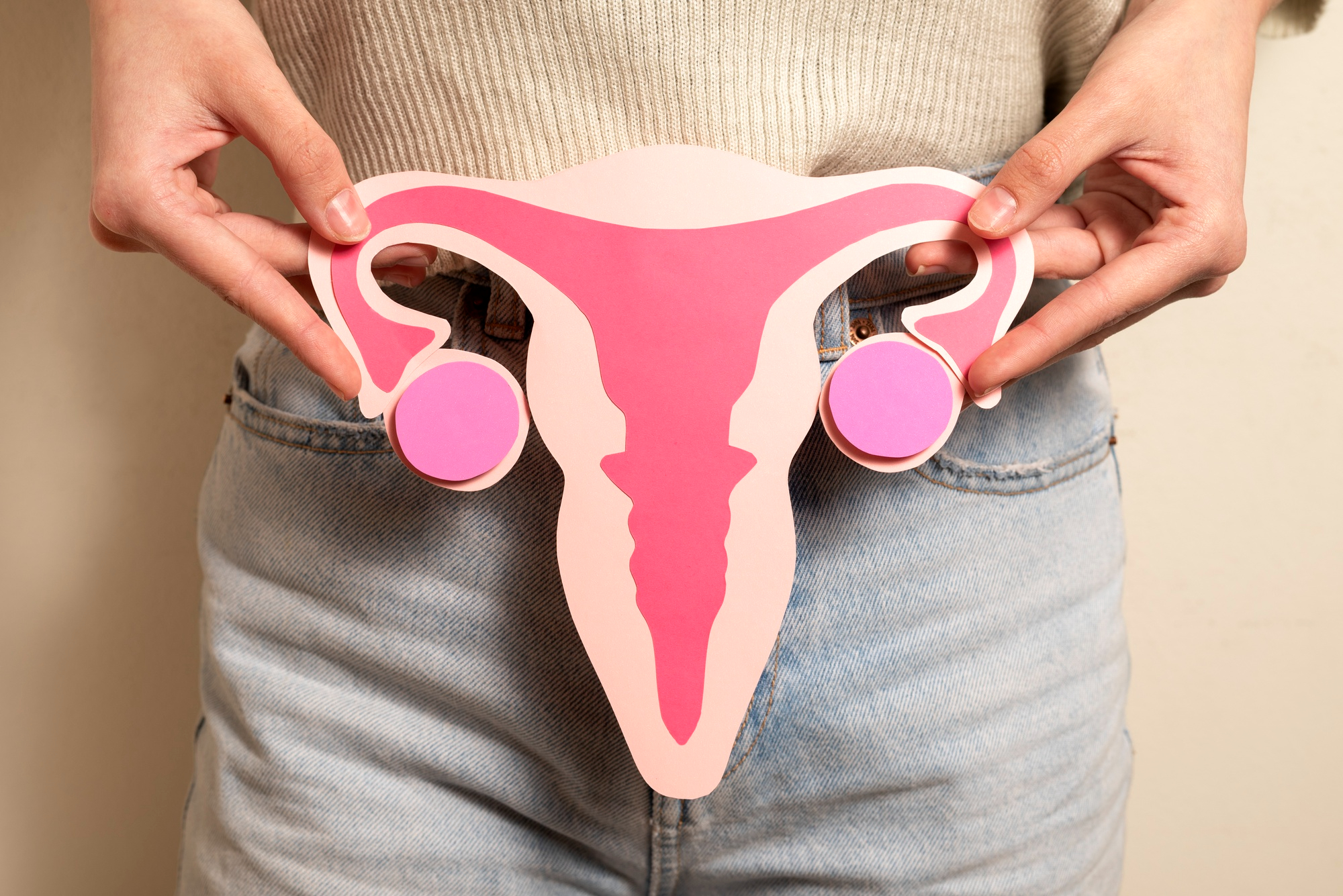
The new research shows how much HPV vaccination can influence health outcomes when it becomes a routine part of care. Countries that rolled out the vaccine early and reached high participation are now seeing fewer cervical cancer cases in young women. They are also seeing fewer serious cervical abnormalities that usually require procedures like biopsies or surgical treatment. This means less stress, fewer follow up visits, and fewer long term effects for patients. The benefits are not limited to cervical cancer. HPV can also lead to cancers of the anus, penis, vulva, vagina, and throat. These cancers take longer to appear, so it will take more time to see clear trends. Still, experts expect meaningful reductions over the coming decades, especially in places that vaccinate both boys and girls. Researchers note that most data so far comes from higher income countries with strong screening programs. In many low and middle income regions, cervical cancer is far more common and screening is harder to access. Increasing HPV vaccination in these areas could prevent a significant number of deaths and reduce pressure on limited health care resources. Health organizations emphasize that HPV vaccination works best when paired with regular cervical screening and prompt treatment of early abnormalities. These steps together form a pathway toward reducing cervical cancer rates worldwide.

The Real Takeaway – And What To Do Next

The message from all this research is straightforward. HPV vaccination is not just a “good idea.” It is proven cancer prevention. Girls vaccinated at or before age 16 have about an 80 percent lower risk of developing cervical cancer. That is a huge difference for something that can be done in a routine clinic visit. At the same time, the vaccine has been watched very closely for safety in both trials and real life. The most common reactions are mild and short lived, like a sore arm. Serious long term problems have not been linked to the vaccine in large, careful studies. So what can you do with this information?
  • If you are a parent, talk with your child’s doctor about the HPV vaccine around ages 9 to 14.
  • If you are a teen or young adult, ask your provider if you can still benefit from starting or finishing the series.
  • If you have a cervix, keep up with screening even if you are vaccinated.
You may not be able to control every risk in life. But choosing vaccination and regular screening is a clear, practical way to lower the chances of cervical cancer for yourself and the people you care about. Source:
  1. Henschke, N., Bergman, H., Buckley, B. S., Crosbie, E. J., Dwan, K., Golder, S. P., Kyrgiou, M., Loke, Y. K., McIntosh, H. M., Probyn, K., Villanueva, G., Morrison, J., Henschke, N., Bergman, H., Buckley, B. S., Crosbie, E. J., Dwan, K., Golder, S. P., Kyrgiou, M., . . . Morrison, J. (2025). Effects of human papillomavirus (HPV) vaccination programmes on community rates of HPV-related disease and harms from vaccination. Cochrane Database of Systematic Reviews, 2025(11), CD015363. https://doi.org/10.1002/14651858.cd015363.pub2

Some of the links I post on this site are affiliate links. If you go through them to make a purchase, I will earn a small commission (at no additional cost to you). However, note that I’m recommending these products because of their quality and that I have good experience using them, not because of the commission to be made.

About Juicing For Health

Loading...

Comments

Leave a Reply

XHTML: You can use these tags: