Every experience leaves a mark, but some leave echoes that linger longer than we expect. Scientists are beginning to uncover how moments of deep emotional strain can shape the brain’s structure, altering not only how we think but also how we feel and respond to the world. These findings challenge the idea that pain fades with time. Instead, they reveal a more intricate truth about how the human mind holds on to what it has endured.
What makes this revelation compelling is not just the damage it exposes, but the hope it brings. Within those same circuits that once carried fear lies the capacity for renewal. Through intentional practices and mindful movement, research suggests the brain can begin to mend itself. Understanding how that happens offers a new way to see healing not as forgetting, but as transformation.
When the Brain Remembers Too Much
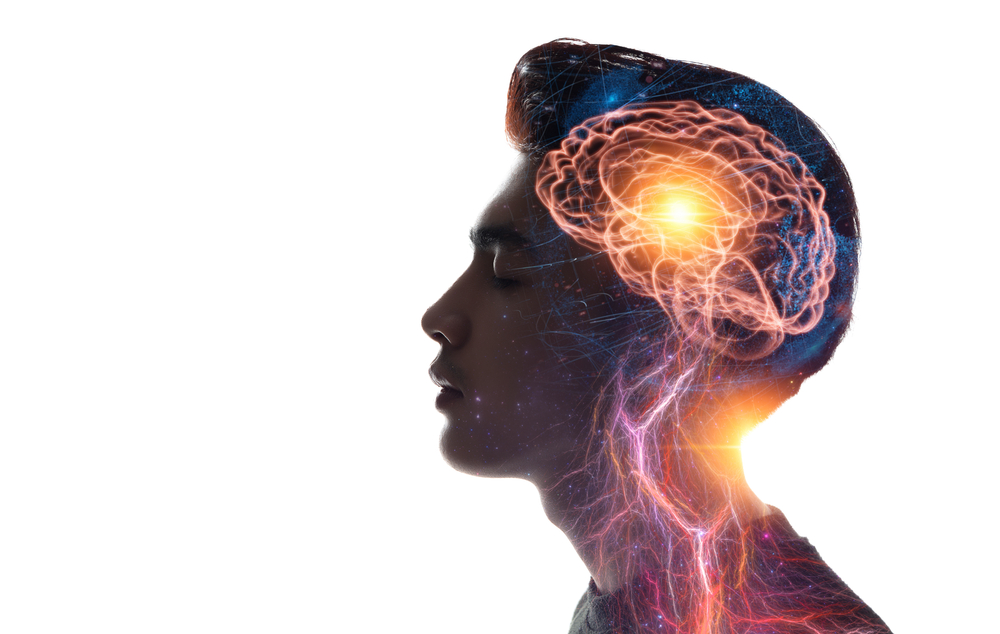
Beneath every composed thought lies a network of memories quietly shaping how we see the world. Scientists have discovered that trauma does not merely linger as emotion but reshapes the brain itself. Neural pathways once responsible for calm and reasoning can become hyperactive, leaving the mind in a constant state of alert. The regions that interpret safety and danger begin to blur, turning everyday sounds or sensations into subtle reminders of past fear. In this context, trauma functions not as a static memory but as an active exchange between neural systems of survival and balance.
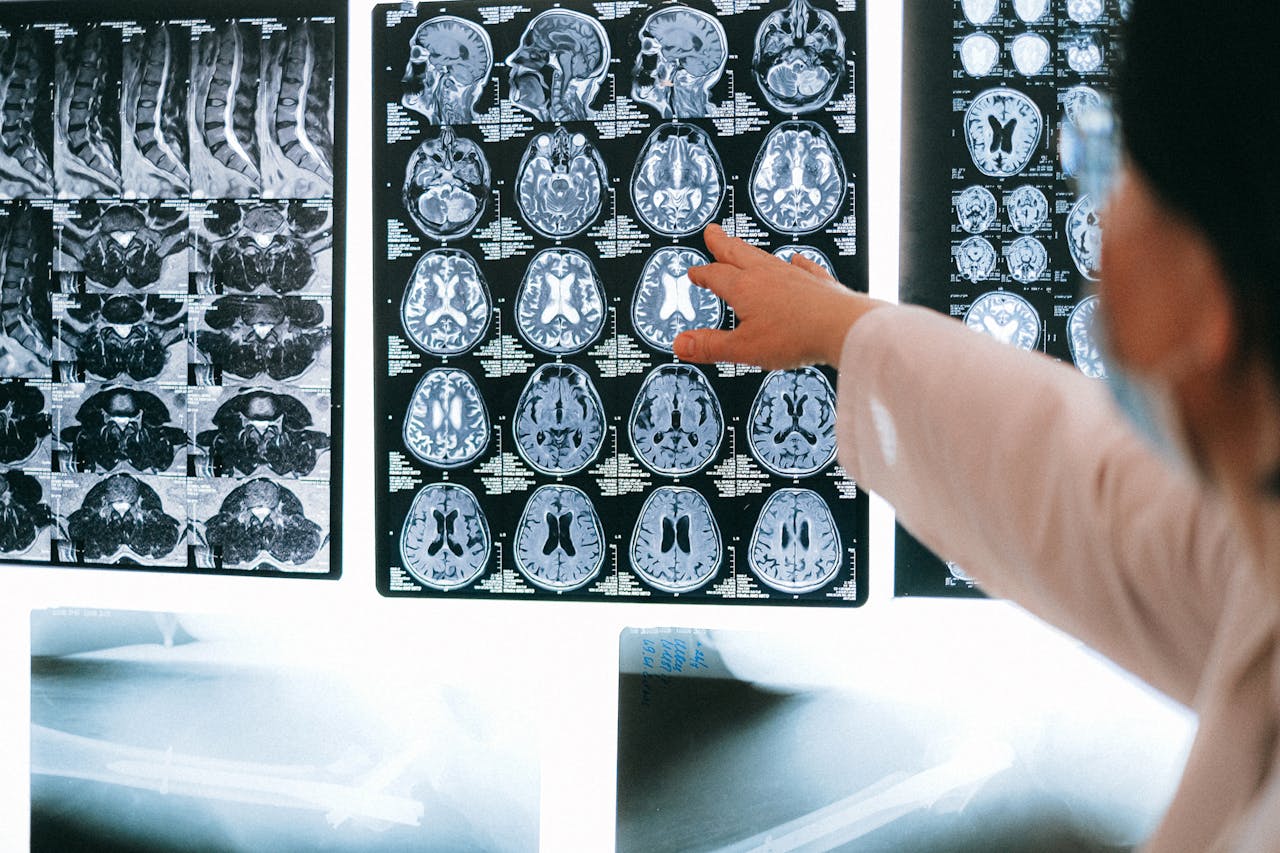
Research on prolonged stress reveals how this transformation occurs at the cellular level. Cortisol, a hormone designed to protect the body in moments of danger, can erode the connections that help the brain adapt and regulate emotion when present for too long. Functional MRI studies show that this imbalance affects the default mode network, a system that guides reflection and rest. For many, this results in intrusive memories, vigilance, and exhaustion as the brain prioritizes protection over creativity. These insights remind us that trauma is a biological reality as much as a psychological one, and understanding it is the first step toward restoring the mind’s natural rhythm of safety and clarity.
Movement as Medicine
In recent years, neuroscience has begun to recognize what ancient wisdom has long suggested: the body’s movement is a form of healing intelligence. Every stride, stretch, or rhythm of breath activates systems that encourage renewal within the brain. Scientists refer to this ability as neuroplasticity, the natural capacity of the brain to reorganize itself through experience. When exercise becomes a consistent practice, it triggers neurogenesis, the birth of new brain cells, particularly in the hippocampus, the region linked to memory and emotional balance.
Modern research continues to illuminate this connection between movement and mental repair. In a study published inProceedings of the National Academy of Sciences, older adults who engaged in moderate aerobic exercise saw a measurable two percent growth in hippocampal volume, effectively reversing age-related shrinkage. Beyond structure, exercise also fine-tunes the brain’s chemistry by reducing cortisol, the primary stress hormone, while raising serotonin, dopamine, and endorphins that elevate mood and focus. According to findings from MDPI, this biochemical harmony supports cognitive clarity and emotional steadiness. What emerges is a simple yet profound truth: consistent, mindful movement is not merely a lifestyle choice but the brain’s own pathway toward healing and resilience.
How Sleep Rebuilds the Injured Mind
While movement restores the brain through action, rest heals it through renewal. Sleep is an active biological process where the brain clears toxins, reorganizes information, and repairs neural connections damaged by prolonged stress. During deep sleep, cerebrospinal fluid moves more freely through brain tissue, flushing out waste products that can interfere with cell communication. This process helps preserve focus, emotional stability, and cognitive performance.
Research from the National Institutes of Health shows that sleep deprivation reduces activity in the prefrontal cortex, the region that supports reasoning and emotional control. For people recovering from trauma, this disruption often leads to heightened anxiety and irritability. Regular, high-quality rest allows the body to regulate cortisol levels and balance the systems that manage stress. Consistent intervals of deep rest allow the brain to move beyond recovery, actively rebuilding its structure to support clarity, stability, and long-term emotional repair.
Nutrition and the Neural Connection
The relationship between food and emotional health extends far beyond comfort or habit. Every nutrient we take in becomes part of the brain’s chemistry, influencing how it processes emotion, memory, and stress. Omega-3 fatty acids, antioxidants, and polyphenols serve as the building blocks of repair, protecting neurons from inflammation and cellular damage. These compounds, found in salmon, chia seeds, leafy greens, and berries, promote the growth of new neural pathways through neurogenesis. They also maintain the flexibility of cell membranes, allowing neurons to communicate more efficiently and restoring balance in areas affected by trauma.
Research shows that individuals who follow a Mediterranean-style diet rich in vegetables, legumes, fish, and olive oil experience lower rates of depression and cognitive decline. This highlights how what we eat directly influences the brain’s structure and emotional regulation. Vitamins B6, B12, and folate are equally vital because they support the production of serotonin and dopamine, the chemicals responsible for motivation, mood, and mental clarity.
Nutrition also affects how the body manages stress. When blood sugar levels fluctuate too much, cortisol levels can rise, leading to anxiety and fatigue. Eating balanced meals with whole foods helps stabilize energy and improve focus. Food, when chosen with care, becomes more than sustenance; it becomes a quiet yet powerful form of therapy for the mind, helping it rebuild strength and equilibrium from within.
The Science of Creative Recovery
Creativity not only stimulates cognition but also supports the brain’s capacity to rebuild and adapt. When people engage in painting, writing, or music, they activate regions of the brain that regulate emotion, memory, and problem-solving. These activities encourage the release of dopamine, a neurotransmitter that enhances motivation and pleasure. Over time, this process can repair neural pathways affected by prolonged stress, giving the brain new ways to process and release emotion. Creativity transforms internal experiences into tangible forms, allowing what was once silent or painful to find structure and meaning.
https://www.youtube.com/watch?v=l5GpwCGO8Nc
Scientific findings reveal that creative practices help reduce activity in the amygdala, the part of the brain linked to fear and anxiety. At the same time, they strengthen connections in the prefrontal cortex, which supports reasoning and emotional control. This balance between calm and focus allows the nervous system to relax and recover. By fostering flow and concentration, creative work gives the mind a sense of safety that trauma often disrupts. It becomes a quiet space where thoughts and feelings can be reorganized without judgment or pressure.
Engaging in creativity also strengthens both hemispheres of the brain, linking logic with emotion in a way that encourages integration and self-awareness. Whether through movement, storytelling, or visual art, creative expression allows the individual to reconnect with a sense of purpose and identity. In this way, creativity is not simply an outlet; it is a form of rehabilitation that helps the brain rediscover balance, resilience, and trust in its own capacity to heal.
Practical Ways to Support Brain Healing
Recovery begins with small, consistent actions that nurture both mind and body. Simple habits such as walking outdoors, practicing gentle stretching, or engaging in slow, mindful breathing can help calm the nervous system and lower cortisol levels. Regular movement encourages blood flow to the brain, supporting oxygen delivery and the release of neurochemicals that aid repair. Even ten minutes of focused breathing or physical activity each day can make a measurable difference over time.
Nutrition plays an equally vital role. Choosing whole foods rich in antioxidants, omega-3 fatty acids, and vitamins from natural sources helps stabilize energy and mood. Staying hydrated and limiting caffeine and processed sugars supports hormonal balance, while regular meal times maintain steady blood sugar levels. The goal is to create an internal environment where the brain feels supported rather than stressed.
Finally, consistency is more important than intensity. Healing the brain requires patience and gentle persistence rather than force. Prioritize adequate sleep, maintain meaningful social contact, and limit excessive screen exposure before bed. Writing thoughts in a journal, listening to music, or spending time in nature can also ground the mind. When practiced daily, these simple steps work together to restore clarity, balance, and emotional stability.
Where Healing Meets Understanding
Some of the links I post on this site are affiliate links. If you go through them to make a purchase, I will earn a small commission (at no additional cost to you). However, note that I’m recommending these products because of their quality and that I have good experience using them, not because of the commission to be made.







 JOIN OVER
Comments