Germany Has Shut Down Fur Farms for Good, Ending Fashion Built on Animal Suffering

Last updated on

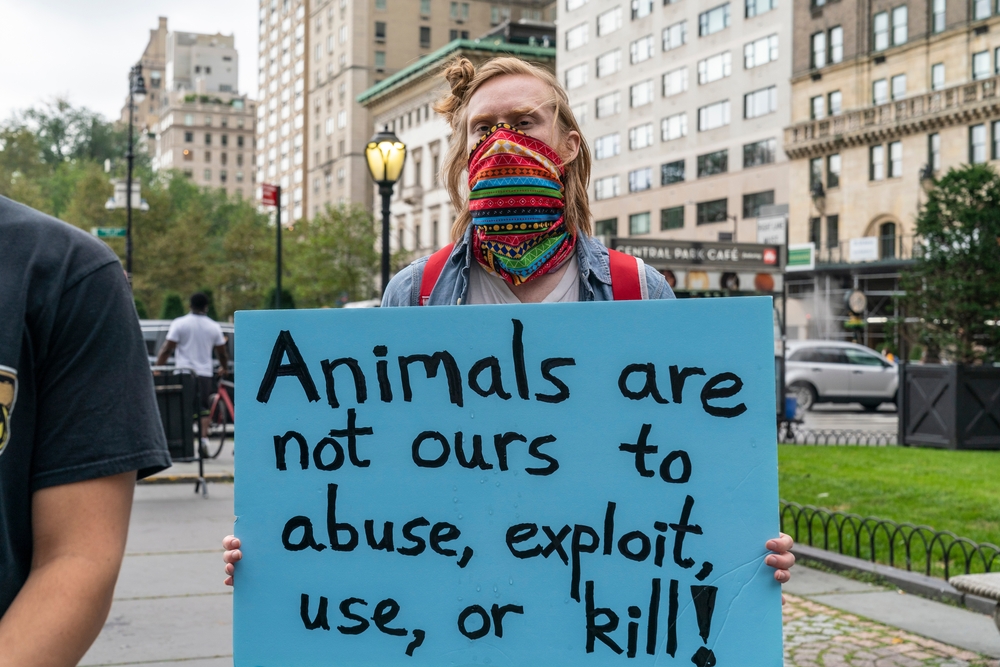
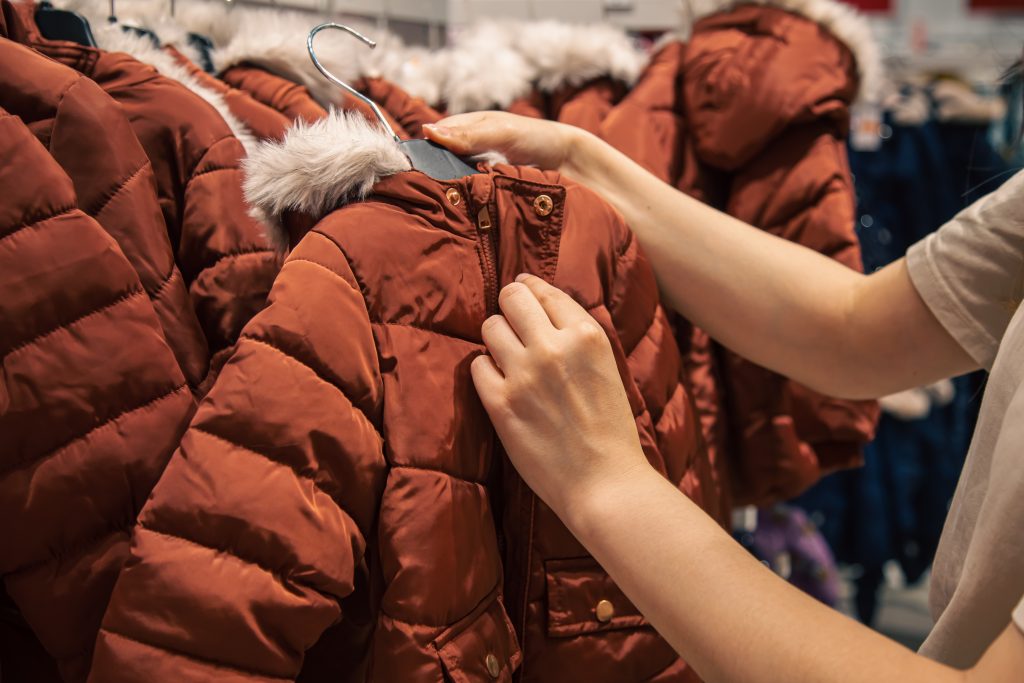
Few of us ever see a fur farm, yet almost everyone recognises the soft trim on a hood or the lining of a winter coat. That quiet distance between how something looks and how it is made is exactly what Germany has chosen to confront by closing its last remaining fur farm. The decision is more than a technical policy change; it is a moment that captures how attitudes to animals, fashion, and responsibility are shifting across Europe and beyond. From luxury brands rethinking what “status” looks like to cities and countries questioning whether fur still belongs in modern wardrobes, Germany’s move sits at the heart of a much larger story – one that eventually comes back to the everyday choices hanging in each of our closets.

Germany Closes the Door on Fur Farming

When Germany’s final fur farm in Rahden “now stands empty,” as confirmed by PETA, it marks more than the closure of a single business – it closes a chapter in the country’s relationship with fur. In 2017, the German government passed legislation that didn’t ban fur farming overnight but made it virtually impossible to continue. Stricter welfare requirements for mink cages, outdoor access, and husbandry standards were introduced alongside a five-year transition period. As PETA explained at the time, the new rules would “effectively make the raising of minks non-viable for farmers.” Faced with frequent, unannounced inspections and mounting public and activist pressure, the Rahden farmer shut down even before the 2022 deadline. After more than two decades of campaigning, petitions, and high-profile anti-fur actions, PETA and other groups saw the outcome as proof that regulatory pressure and cultural change can reinforce each other. The German decision also reflects a broader ethical reckoning with industrial fur production. According to PETA, around 85 percent of the fur industry’s skins come from animals held on intensive factory farms, where thousands of minks, foxes, and other species are confined and killed for fashion.
By closing its last farm, Germany joins countries such as the UK and Austria in effectively ending domestic fur production. It doesn’t erase the suffering that came before, but it sends a clear signal: breeding animals solely to strip their pelts is no longer compatible with contemporary ideas of animal welfare and responsibility.

A Continental Turning Point on Fur

Germany’s last fur farm closing is not an isolated act of conscience; it sits within a continent-wide move to leave fur behind. More than twenty European countries have now banned fur farming, from early movers such as the UK and Austria to more recent decisions in the Netherlands, Croatia, Slovenia, Bosnia and Herzegovina, Serbia, and North Macedonia. Some of the most symbolic changes have come from traditional fur producers. Norway, once home to more than 300 fur farms breeding over 700,000 mink and 110,000 foxes annually, has voted to phase out fur farming entirely by 2025. In the Czech Republic, the ban was hailed by animal group OBRAZ as “a huge success not only for foxes and minks but also for other caged animals,” reflecting a broader moral concern, not just a niche welfare issue. The momentum is now shifting from national bans to an EU-wide reckoning. The Fur-Free Europe campaign has gathered over 1.5 million signatures supporting a ban on fur farming and on the sale of farmed fur products across the European Union.
In response, the European Commission asked the European Food Safety Authority to assess current fur farming systems. EFSA’s scientific opinion concluded that these systems cannot meet the welfare needs of animals such as mink, foxes, raccoon dogs and chinchillas. With Romania banning mink and chinchilla farming in 2024 and pressure mounting on Poland, now Europe’s largest fur producer, Germany’s exit helps push the EU closer to a comprehensive, bloc-wide rejection of farmed fur.

How High Fashion Fell Out of Love with Fur

Not long ago, a fur coat was the kind of thing people imagined passing down through generations. Today, many younger shoppers say they wouldn’t feel comfortable wearing one at all. That quiet but powerful shift in values is reshaping the fashion industry from the top down. Luxury labels that once featured fur on every runway now want distance from it. Armani and Tom Ford have moved toward faux fur, and Donatella Versace has said she doesn’t want to kill animals for fashion anymore. Diane von Furstenberg has removed fur and angora from her collections, while Jean Paul Gaultier has gone so far as to call the fur industry “absolutely deplorable.” Fashion weeks are adjusting, too. Amsterdam Fashion Week declared itself fur-free, with CEO Danie Bles saying the platform is “proud” to take that stance with PETA. London Fashion Week soon followed, after its council found designers simply didn’t see fur as essential anymore. Chief executive Caroline Rush said the fur-free move “highlights a trend” already underway. As PETA’s Ingrid Newkirk noted about Amsterdam, most Dutch people today “would never wear fur.” In other words, the runways are finally catching up with what many consumers quietly decided years ago.

America’s Uneven Fur Reckoning

While Europe edges toward a broad rejection of fur, the United States tells a slower, more fragmented story. There is no federal fur farming ban, and most of the country still allows fur sales. Yet at city and state level, a very different map is emerging. California has become a focal point. Long before the state passed Proposition 12 in 2018, one of the strongest farm animal welfare laws in the country, its cities were already testing how far they could go. West Hollywood became the first U.S. city to ban fur sales in 2011. “We’ve consistently worked to enact cutting-edge animal welfare legislation,” city spokeswoman Tamara White told ABC at the time. “This is in line with our values.” Berkeley followed with a fur sales ban in 2017, earning a PETA Compassionate City Award. San Francisco’s 2018 fur ban drew fierce opposition from retailers worried about lost income, but the legislation held. “There’s no humane way to raise an animal to peel its skin off,” said supervisor Katy Tang, who championed the bill.
Los Angeles then became the largest U.S. city to ban fur sales, inspiring similar efforts elsewhere. In New York, Assemblywoman Linda Rosenthal argued that “fur is neither” ethical nor sustainable, calling the trade “violence toward animals” that clashes with how many people now view them: as companions and sentient beings. According to the Humane Society, around 100 million animals are still killed for fur each year worldwide. The contrast between those numbers and scattered local bans shows how far policy still has to catch up with shifting public values.

When Culture Moves, Laws Follow

Germany closing its last fur farm can feel distant if you are just trying to get dressed for work or scroll through a sale. But this kind of policy shift starts with ordinary people quietly deciding what they are and are not okay with. Public opinion, investigations into farm conditions, and changing shopping habits all helped make fur look less like a luxury and more like something that no longer fits our values. You do not need to be an activist to be part of that change. You can start with simple habits: check labels for real fur, ask store staff when something is unclear, choose brands that clearly commit to being fur free, and share that information with friends or followers who might care but have not looked into it yet. If you feel strongly, supporting petitions or writing briefly to local representatives about fur and animal welfare can turn private concern into visible pressure. No one gets every purchase perfectly aligned with their ethics. But each small, consistent choice sends a signal. Germany’s decision shows that laws can move when culture does. The question for readers everywhere is not just what governments will do next, but what kind of fashion future you are willing to quietly fund or gently refuse, every time you open your wardrobe.

Some of the links I post on this site are affiliate links. If you go through them to make a purchase, I will earn a small commission (at no additional cost to you). However, note that I’m recommending these products because of their quality and that I have good experience using them, not because of the commission to be made.

About Juicing For Health

Loading...

Comments

Leave a Reply

XHTML: You can use these tags: