
Florida Mother Uncovers Life Changing Diagnosis After Dismissing Early Signs as a Cold
Last updated on
Jessica Gilbert almost ignored the fever. Between packing for a long-awaited family vacation and managing life as a mother of two, she assumed her fatigue and congestion were just another seasonal bug. There was no reason to worry, at least not yet.

But as the days passed, the symptoms began to shift in ways that didn’t make sense. Something deeper was unfolding, and a single doctor’s visit would soon reveal just how serious it really was.
When Ordinary Symptoms Hid an Extraordinary Threat
For Jessica Gilbert, life in Florida was moving at its usual pace. Between her children’s schedules and plans for a long-awaited family vacation, there was little room for rest. When she developed a fever and a stuffy head, it seemed like a routine sinus infection that would clear with time. “I woke up with a fever, and I thought it was a sinus infection because I had a stuffy head all week,” she told ABC News. Like many parents trying to keep daily life on track, Jessica decided to push through, certain she would feel better in a few days.
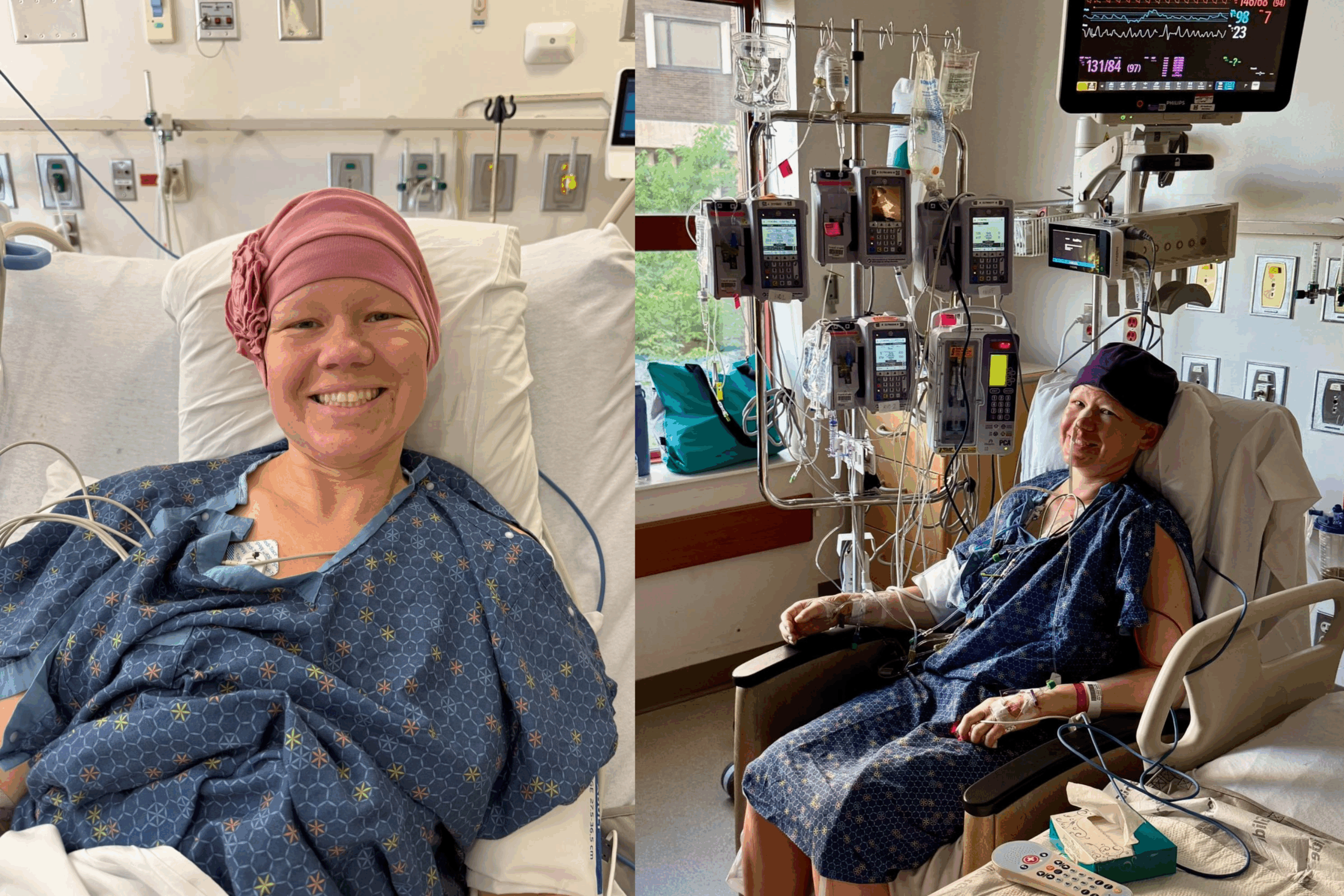
But the recovery she expected never came. After several days of fatigue and little improvement, Jessica decided to visit her primary care physician. “I decided to go to my [primary care] doctor to get COVID, flu, [and] RSV tests, and they all came back negative,” she explained. Although she mentioned feeling slightly better and was ready to travel, her doctor recommended an additional round of tests at the emergency room. Jessica hesitated, unsure whether it was necessary, but something told her to listen.
That decision would change everything. The hospital scans revealed troubling signs that pointed far beyond a seasonal illness. “The whole world just stood still,” Jessica recalled. “I was just totally shocked. [I had] no family history. I didn’t know any of the signs for ovarian cancer. I just didn’t know anything about it at all.” Within days, she was diagnosed with stage 3 ovarian cancer. For someone who had always considered herself healthy, the news was almost impossible to process.

Her story reflects how easily symptoms can slip through the cracks of busy everyday life. Jessica later shared with WLTL that she had never thought cancer was even a possibility. “I didn’t really know the symptoms for ovarian cancer. And since I don’t have family history, I just really didn’t think anything of it,” she said. Listening to her doctor’s advice turned out to be a life-saving choice. Her experience stands as a reminder that even the mildest, most familiar symptoms can sometimes carry an unexpected weight, and that taking time to investigate what feels “off” may be the most important step of all.
Understanding the Hidden Nature of Ovarian Cancer
Ovarian cancer develops when cells inside one or both ovaries begin to grow uncontrollably, forming tumors that can spread to nearby organs. The ovaries, located on each side of the uterus, produce eggs and hormones such as estrogen and progesterone, both essential to a woman’s reproductive and overall health. According to the American Cancer Society, there are three main types of ovarian cancer based on where it begins: epithelial, germ cell, and stromal. Among these, epithelial ovarian cancer is by far the most common, representing about 90 percent of all cases.
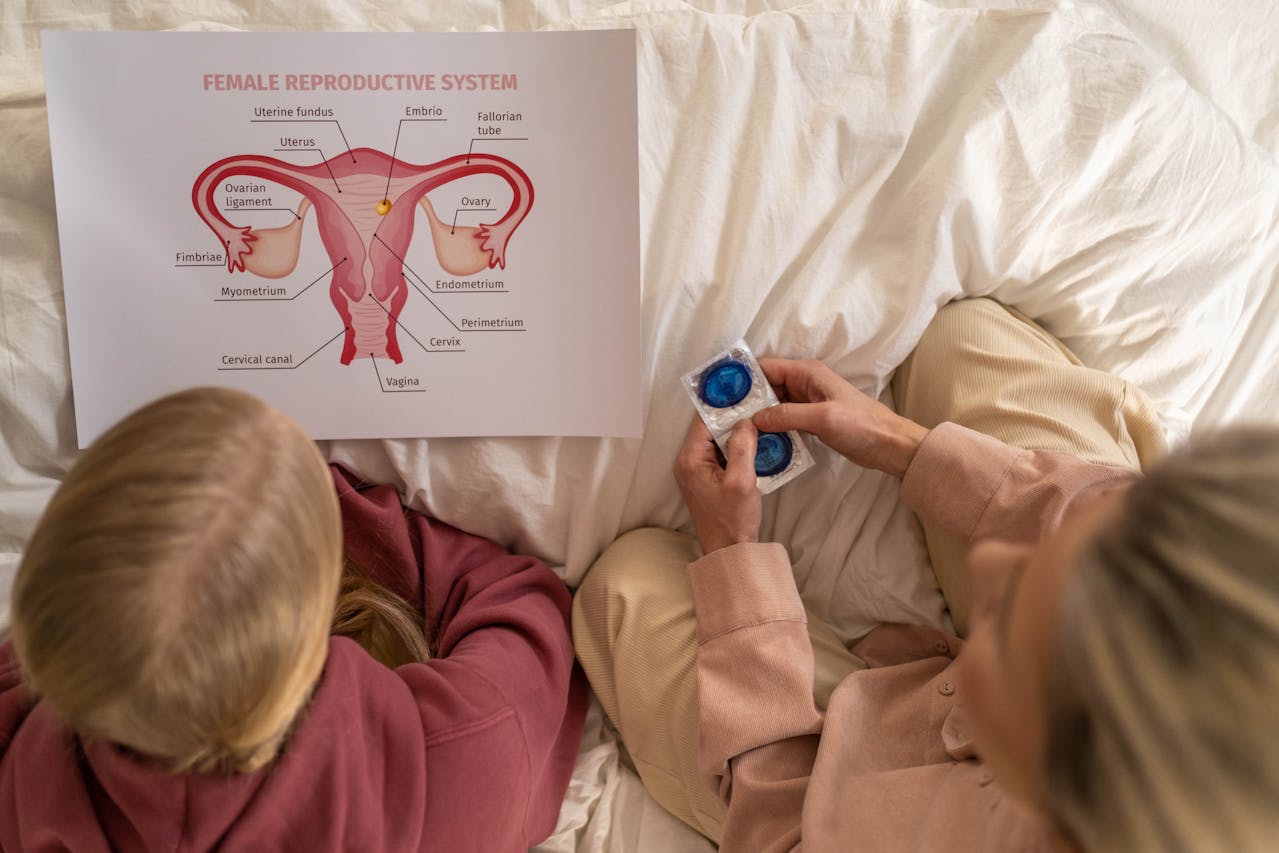
Early detection remains one of the greatest challenges in managing this disease. Symptoms such as bloating, abdominal pressure, or frequent urination can resemble everyday digestive or urinary issues, making them easy to overlook. There is currently no single screening test proven to detect ovarian cancer at its earliest stages. Pelvic exams, ultrasounds, and CA-125 blood tests can suggest abnormalities but cannot provide a definitive diagnosis. Researchers continue to explore more reliable tools that could help identify the disease before it advances.
Genetic and hormonal factors also contribute to risk. Women with BRCA1 or BRCA2 gene mutations face a higher likelihood of developing ovarian cancer, though most cases occur without a family history. The National Cancer Institute notes that early menstruation, late menopause, and never being pregnant can slightly increase risk, while pregnancy, breastfeeding, and oral contraceptive use may offer some protection. Understanding these patterns and recognizing subtle physical changes can be crucial. For women like Jessica Gilbert, awareness and timely medical attention can turn uncertainty into survival.
The Subtle Warnings Many Women Overlook

Ovarian cancer often begins quietly, with signs that blend into the background of daily life. What makes it particularly deceptive is that its early symptoms resemble those of common digestive or urinary issues. Many women assume the discomfort is temporary, dismissing it as stress or hormonal fluctuation. The Cleveland Clinic notes that the real warning lies not in the strength of these symptoms but in how often they appear together and how long they persist.
The signs can include persistent bloating, discomfort or pain in the abdomen or pelvis, and feeling full after eating only a small amount. Fatigue, lower back pain, constipation, and unexpected weight changes can also occur. Because these sensations come and go, it is easy to overlook their pattern. Doctors advise that when such symptoms happen almost every day for several weeks, it is important to seek medical evaluation. Early testing through imaging and blood work can help detect problems before they advance.
Jessica Gilbert’s story captures this reality. She had felt tired and congested, assuming she was dealing with a mild infection. “I didn’t really know the symptoms for ovarian cancer. And since I don’t have family history, I just really didn’t think anything of it,” she told WLTL. Her experience is a reminder that paying attention to persistent changes, no matter how minor they seem, can make a lifesaving difference.
New Frontiers in Ovarian Cancer Awareness
Awareness around ovarian cancer is entering a more proactive phase, shaped by advances in medicine and growing public dialogue. For decades, the disease carried a reputation for being silent and difficult to detect, but that perception is beginning to change as research and advocacy align to close the gap between early symptoms and timely diagnosis.

Genetic testing has become one of the most significant developments in prevention. Physicians are now recommending BRCA1 and BRCA2 testing to a wider range of patients, not only those with a family history. The results can guide personalized monitoring plans and empower women to make informed health decisions. The National Cancer Institute notes that early identification of genetic risk allows for interventions that may reduce the chances of advanced disease at diagnosis.
Technology is adding another layer of promise. Researchers are exploring artificial intelligence tools that analyze blood tests and imaging results to identify subtle patterns linked to early cancer development. At the same time, survivors and advocacy groups continue to drive awareness campaigns, using their experiences to remind others that vigilance matters. Together, these scientific and social efforts are shifting ovarian cancer from an illness often overlooked to one that is increasingly understood and actively confronted.
Modern Approaches to Treatment and Recovery
Treatment for ovarian cancer has evolved into a more personalized and precise process than ever before. While surgery and chemotherapy remain central to care, advances in technology and genetics have reshaped how doctors decide on treatment plans. Oncologists now consider a patient’s genetic makeup, disease stage, and overall health before choosing which therapies to combine, allowing for better outcomes and fewer side effects.
Surgery remains the foundation of treatment, designed to remove as much of the tumor as possible. In cases where cancer has spread, precision-guided techniques allow surgeons to target difficult areas while preserving healthy tissue. Chemotherapy, which traditionally followed surgery, is now tailored through genetic testing to match specific drugs to the patient’s biology. This targeted approach increases effectiveness and helps patients tolerate treatment more successfully.

Among the most promising developments are targeted drugs known as PARP inhibitors. These medications, especially effective for those with BRCA gene mutations, block cancer cells from repairing damaged DNA, leading to their destruction while sparing healthy cells. Studies from the American Society of Clinical Oncology show that PARP inhibitors can extend remission and slow disease progression, offering patients more time and improved quality of life. Immunotherapy, though still being studied, is showing early potential by teaching the immune system to identify and attack cancer cells more effectively.
Recovery after treatment has also taken on new meaning. Survivorship programs now address the physical, nutritional, and emotional challenges that follow intensive therapy. Support networks and advocacy groups help women rebuild their strength and confidence, emphasizing that healing extends far beyond the hospital. With each medical breakthrough, ovarian cancer care continues to move from uncertainty toward a future defined by resilience, innovation, and renewed hope.
When Awareness Becomes a Lifeline
Jessica Gilbert’s story reminds us that health warnings rarely announce themselves clearly. They often appear as small discomforts that blend into the routine of daily life until they can no longer be ignored. What she thought was a simple cold turned out to be something far more serious, and her decision to seek medical care became the turning point that saved her life.

For many women, ovarian cancer remains a quiet and persistent threat. The simple act of listening to the body, asking questions, and seeking care when something feels wrong can make all the difference. Awareness carries more weight than facts alone. It can turn confusion into clarity, and danger into survival.
Featured Image from Shawn Gilbert on GoFundMe
Some of the links I post on this site are affiliate links. If you go through them to make a purchase, I will earn a small commission (at no additional cost to you). However, note that I’m recommending these products because of their quality and that I have good experience using them, not because of the commission to be made.


 JOIN OVER
Comments