
Finland Leads the World With Its Low Stress Education Model
Last updated on
Finland has long held a reputation as a quiet global powerhouse in education, a nation that consistently performs well academically without placing crushing pressure on its students. In a world where families grapple with late nights of homework, early school bells, constant testing, and mounting stress, Finland’s approach feels almost revolutionary. Yet for the Finns, it is simply a reflection of deeply held values about childhood, wellbeing, and the purpose of learning. What makes this model so compelling is not only its outcomes, but its underlying philosophy. Finnish educators have rewritten what many countries consider the basics of schooling. Instead of long homework sessions, marathon school days, and unrelenting competition, Finland focuses on balance, trust, and purposeful learning time. This article blends insights from numerous analyses of Finland’s education system to explore how minimal homework, later start times, teacher autonomy, and a holistic environment have allowed a low stress model to thrive. It also examines the system’s challenges and reflects on what the rest of the world can learn from both its successes and its growing pains.A System Built on Purpose Rather Than Pressure
Around the world, schooling is often framed as a relentless race. More hours, more homework, more testing. Finland challenges this assumption with one simple but powerful idea: quality matters more than quantity. Finnish students receive far less homework than their peers elsewhere. On average, they spend around 30 minutes per day on assignments. Younger students may have as little as 10 minutes, and even upper secondary students rarely exceed 45 minutes. By comparison, students in countries like the United States or South Korea regularly face two to three hours of nightly homework. The Finnish perspective is clear. After a full day of focused learning in school, children need time to rest, explore personal interests, and spend time with their families. Homework is meant to reinforce learning and encourage independent thinking rather than serve as a second shift of schoolwork. Assignments that do not support this purpose simply do not exist.
Why Finland Starts the School Day Later
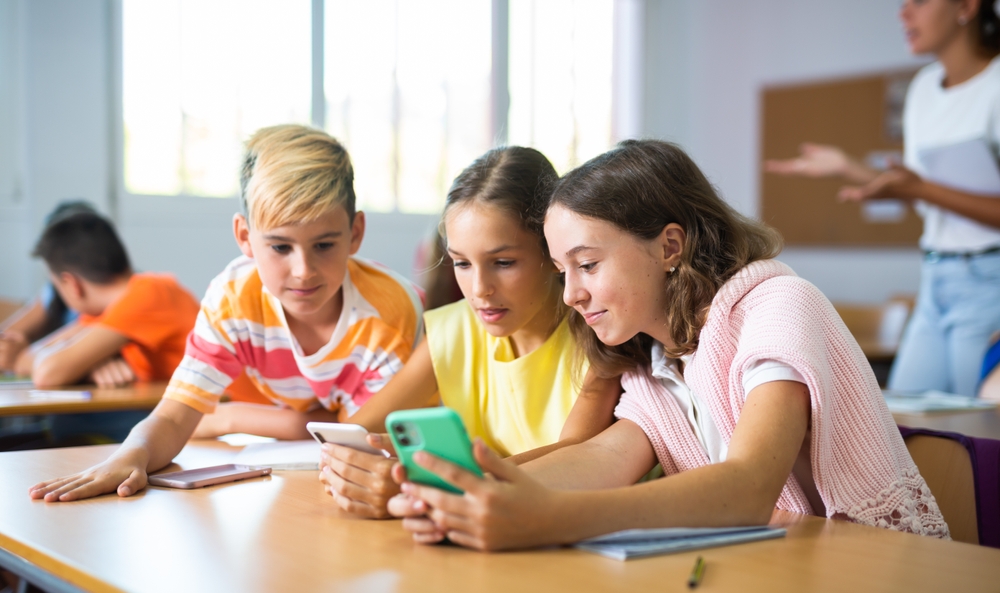
Shorter School Days That Deliver Stronger Learning
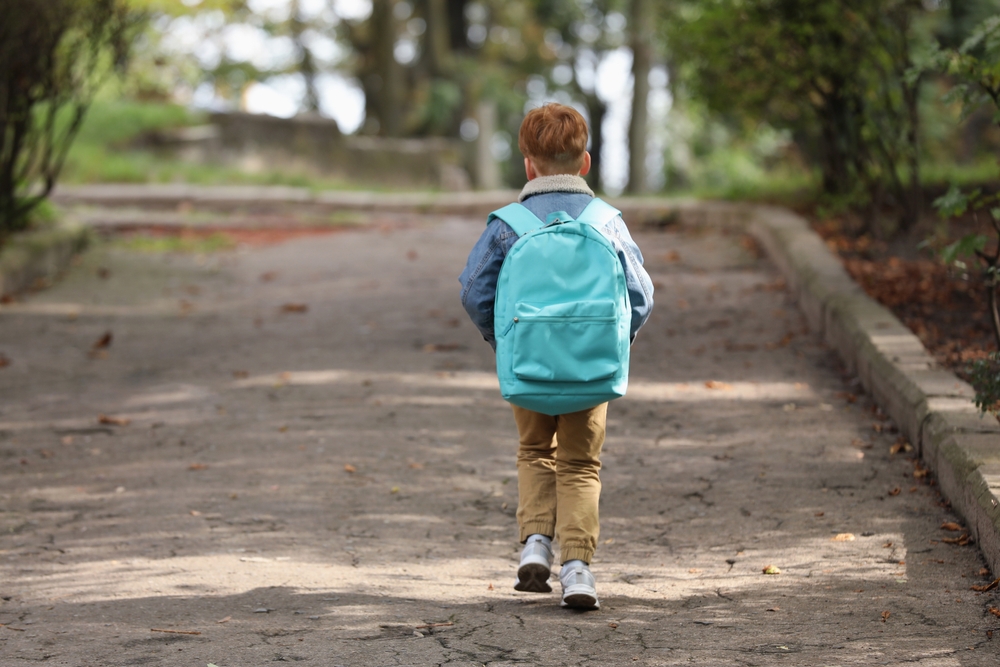
The Role of Teachers in Finland’s Success

A Holistic Approach That Values Childhood
The Broader Landscape of Equality and Inclusivity
Finland’s commitment to equity sets it apart from many education systems. The belief that every child deserves an equal chance to succeed drives decisions at every level. Schools provide free meals, healthcare, psychological support, and individualized academic guidance. Many countries struggle with inequities tied to family income or location, but Finland has worked intentionally to minimize these divides. Classrooms are inclusive environments where students of diverse abilities learn together. Teachers collaborate with specialists to support children with learning differences, behavioral challenges, or social needs. Another key aspect of Finnish equity is the flexibility of post school pathways. Students can choose between academic upper secondary school or vocational training, both of which are respected and provide avenues to professional careers. This allows young people to pursue success without being confined to a single academic track.
Challenges Facing Finland’s Education Model
Despite its global reputation, Finland’s education system is not without challenges. Declines in PISA scores over recent years have raised questions about over reliance on digital tools, reduced physical activity, and the growing influence of socioeconomic disparities. Some Finnish educators express concern that heavy use of tablets and laptops may be affecting students’ reading comprehension and focus. Others worry that mental health issues, budget cuts, and growing inequality are making it harder to sustain earlier levels of success. There is also a persistent gender gap, with boys scoring significantly lower in reading than girls. This gap is among the widest in the OECD. Additionally, immigrant students often struggle to integrate fully, facing linguistic barriers and social challenges. The Finnish system also struggles to challenge gifted students adequately. While the focus on equality benefits many, it can leave advanced learners without sufficient academic stretch. These challenges do not negate Finland’s strengths, but they do highlight the need for adaptation. Finland’s educational success was built on decades of thoughtful reform, and the next phase will likely require the same long term commitment.What the World Can Learn from Finland
- Meaningful learning happens when students are rested, supported, and motivated.
- Homework should serve a purpose rather than act as a measure of rigor.
- Teachers thrive when treated as professionals with autonomy and respect.
- Breaks, free play, and outdoor time are essential for cognitive performance.
- Equity is not just a value but a practical strategy for national success.
- School schedules should reflect child development, not adult convenience.
Reimagining What School Can Be
Finland’s low stress education model continues to draw global admiration because it is both effective and humane. It proves that children do not need endless homework, long school days, or constant competition to succeed. Instead, they need rest, encouragement, thoughtful teaching, and environments that honor their developmental needs. At the same time, Finland’s challenges offer important reminders. No education system is perfect or static. Cultural shifts, technological change, and evolving student needs require continual adaptation. Still, Finland stands as a powerful example of what education can look like when wellbeing guides decision making. Its model invites the world to rethink not only how students learn, but why they learn. In a time when academic pressure continues to rise globally, Finland’s calm, balanced, student centered approach offers a hopeful and inspiring path forward. To move toward a better future, education systems may not need to work harder. They may simply need to work smarter, with humanity at the center.Some of the links I post on this site are affiliate links. If you go through them to make a purchase, I will earn a small commission (at no additional cost to you). However, note that I’m recommending these products because of their quality and that I have good experience using them, not because of the commission to be made.


 JOIN OVER
Comments