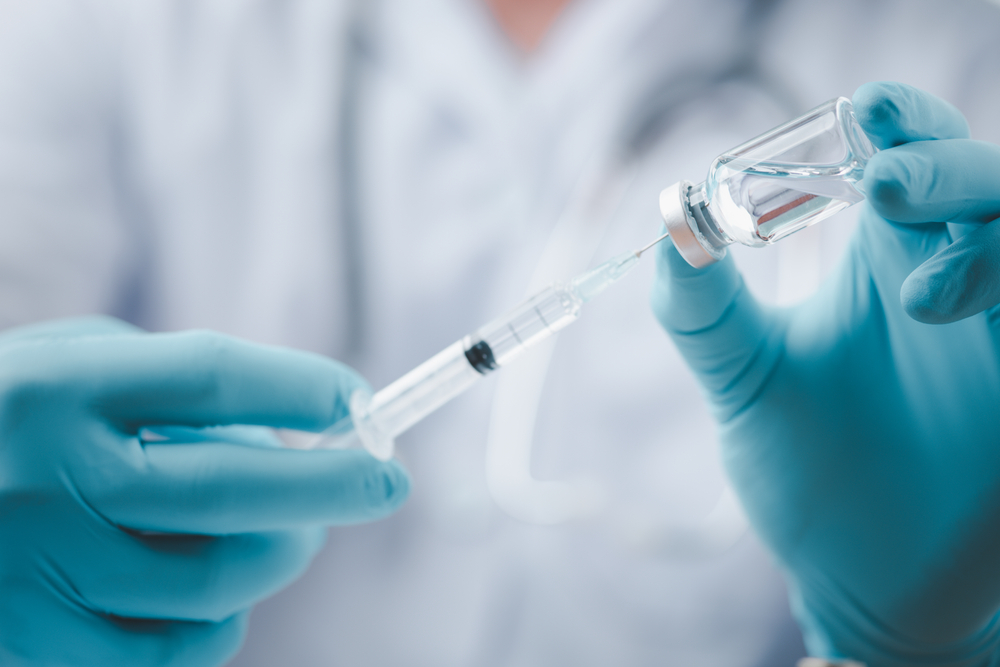
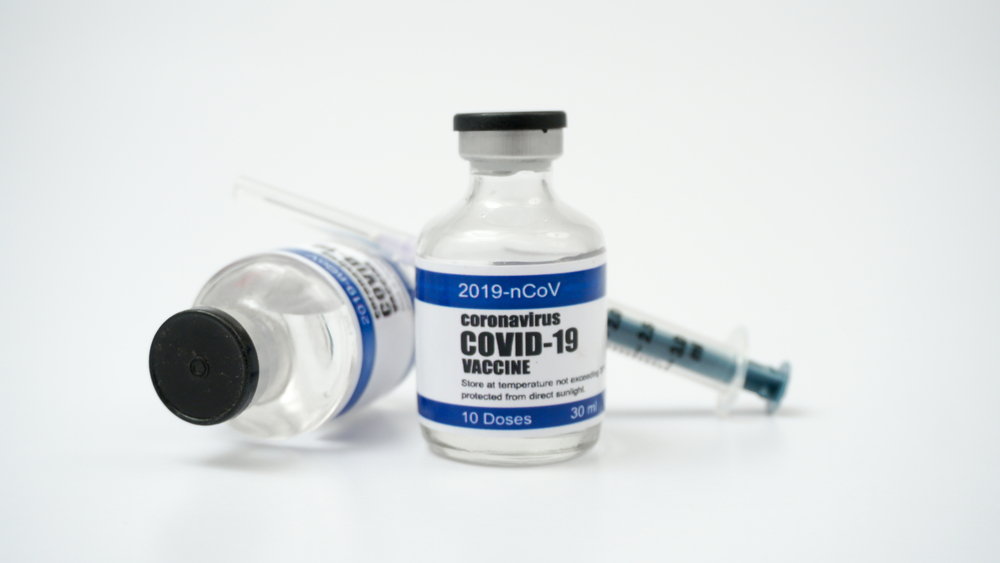
When millions lined up for COVID-19 vaccines during the pandemic, survival meant avoiding a deadly virus. Few could have imagined that same shot might offer protection against something else entirely.
Researchers at two major cancer centers have stumbled onto a finding that could reshape how oncologists treat advanced disease. Patients with late-stage lung and skin cancers appear to live far longer when they receive an mRNA COVID vaccine around the time they begin immunotherapy. And the effect is not small.
A study published in Nature found that mRNA vaccines targeting SARS-CoV-2 can sensitize tumors to immune checkpoint inhibitors. nature Medical records from more than 1,000 patients treated at the University of Texas MD Anderson Cancer Center between 2019 and 2023 tell a striking story. Something about the vaccine seems to prime the immune system in ways researchers are only beginning to understand. Years of work on mRNA technology, accelerated by the pandemic, may have accidentally produced a tool that helps the body fight cancer.
Scientists at MD Anderson and the University of Florida are now racing to confirm what their data suggests. If a randomized clinical trial validates these findings, cancer care could look very different in the years ahead.
From Pandemic Response to Cancer Research
mRNA vaccines represented a new frontier when Pfizer-BioNTech and Moderna rolled out their COVID shots in late 2020. But researchers had been experimenting with messenger RNA technology for cancer treatment long before anyone heard of SARS-CoV-2.
At the University of Florida, pediatric oncologist Elias Sayour had spent years developing mRNA-based therapies designed to stimulate immune responses against tumors. His lab made an unexpected discovery in July 2024. To trigger a strong immune attack on cancer, researchers did not need to target a specific protein within the tumor itself. Broadly activating the immune system, much like the body responds to a viral infection, was enough to generate an antitumor effect.
Sayour’s team combined their experimental mRNA vaccine with immune checkpoint inhibitors, a class of drugs commonly used to treat lung and skin cancers. In laboratory mice, cancers that had resisted treatment suddenly became vulnerable. Tumors slowed or stopped growing entirely.
Adam Grippin trained at UF’s Preston A. Wells Center for Brain Tumor Therapy before moving to MD Anderson. He asked a question that would drive the next phase of research. If an experimental mRNA vaccine could boost immunotherapy’s effectiveness, what about the COVID vaccines that millions had already received? MD Anderson’s extensive patient records offered a chance to find out.
Lung Cancer Patients Saw Near-Doubled Survival
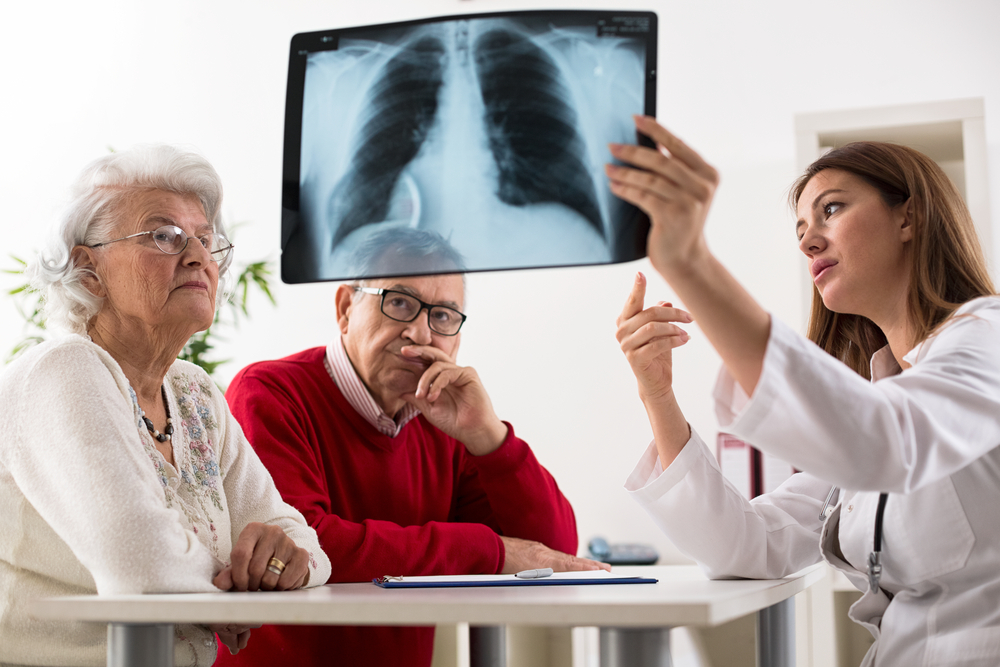
Grippin and his colleagues examined data from patients with Stage 3 and Stage 4 non-small cell lung cancer, a disease that kills more Americans than any other cancer. Advanced cases often respond poorly to treatment, leaving patients with limited options after surgery, radiation, and chemotherapy have failed.
Among 180 patients who received a COVID mRNA vaccine within 100 days of starting immunotherapy, median survival reached 37.3 months. For 704 similar patients who did not receive the vaccine, median survival was 20.6 months. Three-year survival rates told an even more dramatic story, with 55.8% of vaccinated patients alive at that mark compared to 30.6% of unvaccinated patients.
Researchers controlled for dozens of variables that might explain the difference. Age, tumor stage, mutation status, steroid use, performance status, and treatment year all went into statistical models designed to isolate the vaccine’s effect. After adjusting for 39 potential confounding factors, vaccination within 100 days of immunotherapy start was still associated with roughly half the risk of death.
Some patients in the vaccinated group were still alive when researchers collected their data, suggesting the survival benefit could prove even larger as follow-up continues.
“The really exciting part of our work is that it points to the possibility that widely available, low-cost vaccines have the potential to dramatically improve the effectiveness of certain immune therapies,” Grippin said in an MD Anderson news release.
Melanoma Patients Also Benefited
Skin cancer patients showed similar patterns. Among 43 patients with metastatic melanoma who received a COVID mRNA vaccine within 100 days of starting immunotherapy, median survival had not yet been reached at the time of analysis. For 167 unvaccinated patients, median survival was 26.67 months.
At the three-year mark, 67.5% of vaccinated melanoma patients remained alive compared to 44.1% of those who did not receive the vaccine. Progression-free survival, which measures how long patients live without their cancer worsening, also improved. Vaccinated patients went a median of 10.3 months before progression versus 4.0 months for unvaccinated patients.
Researchers found consistent results regardless of which mRNA vaccine patients received. Both the Pfizer-BioNTech and Moderna formulations appeared effective. Whether patients got a primary dose, a booster, or both within the 100-day window made no significant difference in outcomes.
Notably, patients who received non-mRNA vaccines for pneumonia or influenza showed no improvement in survival. Whatever mechanism drives the cancer-fighting effect appears specific to messenger RNA technology.
What Makes mRNA Vaccines Different
Understanding why mRNA vaccines might help fight cancer requires a brief look at how they work. Unlike traditional vaccines that introduce weakened or inactivated pathogens, mRNA vaccines deliver genetic instructions that tell cells to produce a specific protein. For COVID vaccines, that protein is the spike protein found on the surface of SARS-CoV-2.
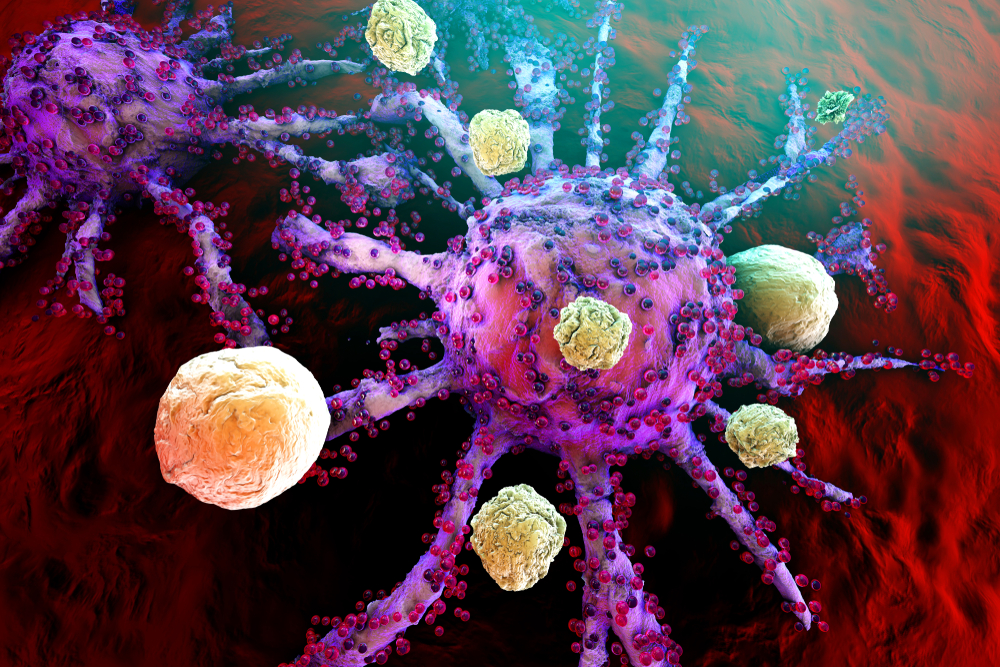
When cells produce this foreign protein, the immune system mounts a response. Part of that response involves a surge in type I interferon, a signaling molecule that activates immune cells throughout the body. Sayour describes this surge as a “flare” that moves immune cells from tumors to lymph nodes, where they can better coordinate attacks against cancer.
In laboratory experiments, researchers found that mRNA vaccines increased PD-L1 expression on tumor cells. PD-L1 is a protein that cancers use to hide from the immune system. When tumors express more PD-L1, they become better targets for immune checkpoint inhibitors, drugs designed specifically to block this hiding mechanism.
Mouse studies confirmed what patient data suggested. When researchers combined an mRNA vaccine with checkpoint inhibitors, tumors that had previously resisted treatment became vulnerable. Blocking type I interferon signaling eliminated the benefit, confirming its importance in the immune response.
Patients who received a COVID mRNA vaccine within 100 days of a tumor biopsy showed 24% higher PD-L1 expression compared to unvaccinated patients. At the clinically important 50% threshold, which determines whether patients qualify for single-agent immunotherapy, vaccinated patients were 29% more likely to meet or exceed that mark.
Hard-to-Treat Cancers Responded Best
Perhaps most striking was where the survival advantage appeared strongest. Patients whose tumors showed features associated with poor immunotherapy response, sometimes called “immunologically cold” tumors, saw the greatest benefit from vaccination.
Cancers with low baseline PD-L1 expression typically respond poorly to checkpoint inhibitors. Among Stage 4 lung cancer patients with less than 1% PD-L1 expression at biopsy, those who received a COVID mRNA vaccine within 100 days of starting immunotherapy showed survival similar to patients whose tumors expressed far higher levels of PD-L1.
For patients who have exhausted other treatment options, this finding offers particular hope. Many with advanced disease have tumors that simply do not respond to immunotherapy. If vaccination can restore sensitivity to these drugs, it could extend meaningful time for people with few alternatives.
A Clinical Trial Will Test These Findings
Researchers emphasize that their results come from observational data, not a controlled experiment. Patients who chose to get vaccinated may differ in important ways from those who did not. Despite rigorous statistical controls, only a randomized trial can definitively prove that vaccines cause the survival improvements researchers observed.
“Although not yet proven to be causal, this is the type of treatment benefit that we strive for and hope to see with therapeutic interventions, but rarely do,” said Duane Mitchell, director of the UF Clinical and Translational Science Institute and Grippin’s doctoral mentor. “I think the urgency and importance of doing the confirmatory work can’t be overstated.”
A phase 3 randomized clinical trial is now in the design stage. Researchers plan to conduct the study through the UF-led OneFlorida+ Clinical Research Network, which includes hospitals, health centers, and clinics across Florida, Alabama, Georgia, Arkansas, California, and Minnesota.
Three study authors hold patents related to mRNA vaccines developed at the University of Florida and licensed by iOncologi, Inc., a biotech company that grew out of university research.
What Could Change for Cancer Care
If confirmed, these findings could alter treatment protocols for thousands of patients each year. COVID mRNA vaccines are widely available, relatively inexpensive, and have well-established safety profiles from billions of administered doses.
Researchers already envision next steps beyond COVID vaccines. A nonspecific mRNA vaccine designed to maximize immune activation, without targeting any particular pathogen or tumor antigen, might prove even more effective than existing formulations.
“The implications are extraordinary. This could revolutionize the entire field of oncologic care,” Sayour said. “We could design an even better nonspecific vaccine to mobilize and reset the immune response, in a way that could essentially be a universal, off-the-shelf cancer vaccine for all cancer patients.”
For now, oncologists await trial results before changing standard practice. But for patients with advanced lung and skin cancers, the possibility of longer survival through a simple vaccine offers something increasingly rare in late-stage disease. It offers hope.
Some of the links I post on this site are affiliate links. If you go through them to make a purchase, I will earn a small commission (at no additional cost to you). However, note that I’m recommending these products because of their quality and that I have good experience using them, not because of the commission to be made.



 JOIN OVER
Comments