
Cancer Researchers Turn Their Attention to a Widely Used Diabetes Drug
Last updated on
Most medical breakthroughs arrive with noise and urgency, but some begin almost unnoticed. They start when researchers spot a pattern that does not align with expectations, something subtle enough to be overlooked but consistent enough to demand attention. These moments do not announce solutions. They raise questions.
Why Researchers Are Taking a Second Look at Metformin
Medical research does not always move forward because someone sets out to make a discovery. Sometimes it advances because the same outcome keeps appearing where it should not. That is what happened with metformin. As researchers examined large sets of real world health records, they began noticing a quiet but recurring pattern. People with type two diabetes who were prescribed metformin appeared to develop certain cancers less often than those treated with other medications for the same condition. The observation was not dramatic, but it was persistent enough to prompt closer attention. What gave these findings weight was their consistency. The pattern surfaced across different countries, healthcare systems, and study designs. Even when researchers accounted for factors known to influence cancer risk, including age, body weight, smoking habits, and the severity of diabetes, the association remained. These studies did not prove that metformin was responsible, but they suggested that its effects might extend beyond blood sugar control. That possibility alone was enough to raise important questions about how long term medications interact with the body over time.
Why Researchers Started With the Toughest Cases
When scientists decided to explore metformin’s potential beyond diabetes, they did not begin with the most responsive or straightforward cancers. Instead, they focused on forms of colon cancer that have long challenged doctors and patients alike. These tumors often respond poorly to standard treatments and leave fewer effective options, not because they are uncommon, but because they behave in ways that make them harder to control. By starting here, researchers were testing whether any meaningful insight could emerge where progress has historically been slow.
How Metformin Alters the Conditions Cancer Relies On
Cancer growth depends on constant access to energy. Tumors that grow quickly place heavy demands on their cells, requiring a steady supply of fuel to keep dividing and expanding. What has drawn researchers to metformin is not that it behaves like a traditional cancer drug, but that it appears to influence how cells handle that energy. Instead of attacking cancer directly, the medication may change the internal conditions that allow rapid growth to continue. Within cells, energy levels help determine priorities. When energy is abundant, cells are more likely to focus on growth and division. When energy becomes limited, attention shifts toward maintenance and survival. Research suggests that metformin can reduce how efficiently cells generate energy, nudging them into a lower energy state. For cancer cells already operating under intense demand, this shift may slow growth and make it harder to sustain aggressive behavior, particularly when other treatments are also involved. Researchers are careful to place these findings in context. Much of the current evidence comes from laboratory studies, which cannot fully reflect how tumors behave inside the human body. Cancers vary widely, and not all respond the same way to changes in energy availability. For this reason, scientists describe these findings as an early step rather than a confirmed benefit. The value of this research lies in highlighting how changes in cellular energy may influence disease and in guiding future studies that can test whether these effects hold true in real patients.Why Practical Reach Shapes Scientific Impact
In discussions about medical progress, attention often gravitates toward innovation that is complex, novel, and expensive. Yet one of the quieter strengths of the metformin research lies in how ordinary the drug is. It is already prescribed around the world, produced at scale, and familiar to both doctors and patients. That familiarity shifts the conversation away from whether a treatment can be introduced and toward whether it can realistically be integrated into care if evidence supports it. In a field where many therapies remain out of reach for large portions of the population, accessibility becomes a meaningful part of the scientific question.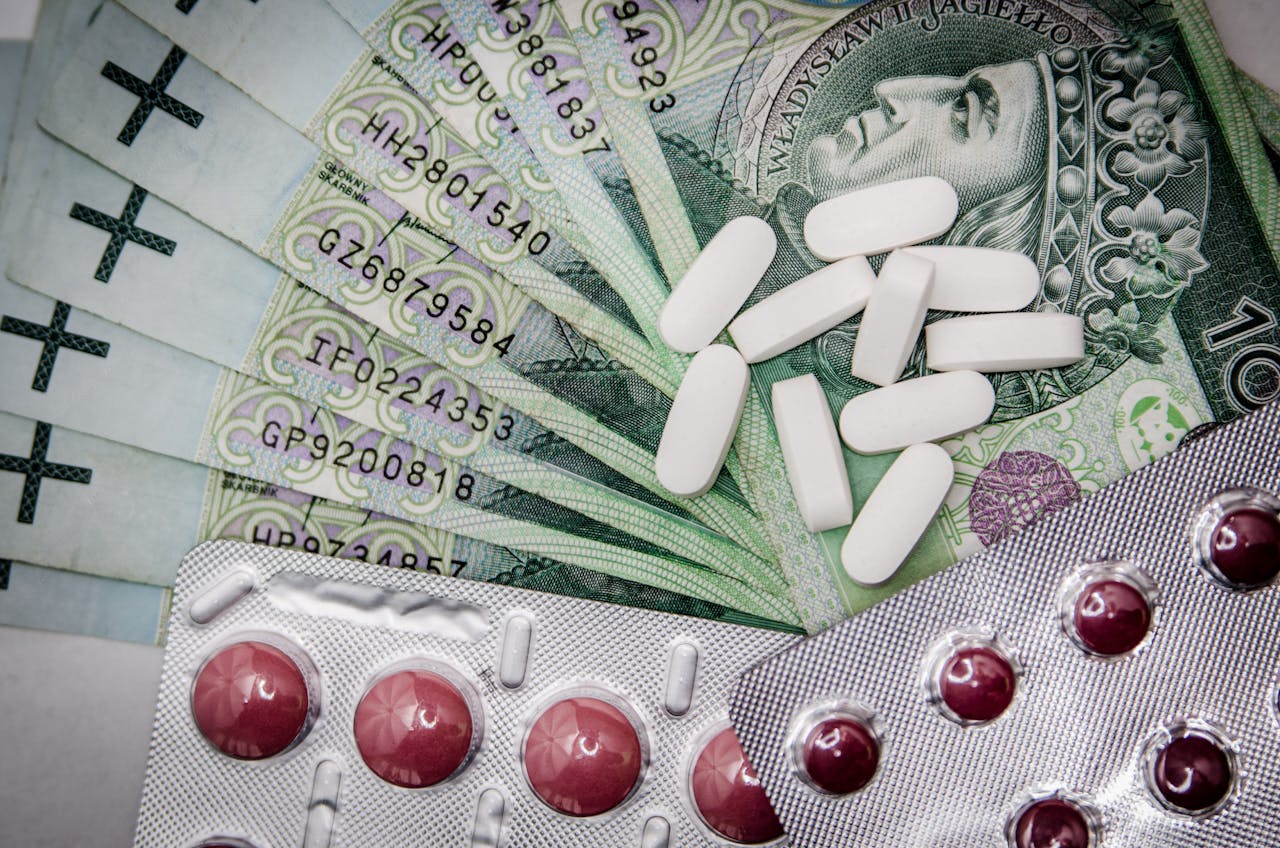
What This Research Says About Prevention and Long Term Health
One aspect of the metformin research that has drawn quiet interest is how it fits into broader conversations about prevention rather than treatment alone. Much of cancer research focuses on what to do after a diagnosis, but population level studies often raise different questions. If certain long term patterns are associated with lower cancer rates, researchers begin to wonder whether early interventions or ongoing health management could influence risk over time, even if those effects are indirect. This does not mean metformin should be viewed as a preventive tool for cancer. There is no evidence to support that use, and researchers are careful to avoid that conclusion. Instead, the value of these findings lies in how they encourage scientists to think about chronic conditions and cancer within the same framework. Metabolic health, inflammation, and long term medication use may all intersect in ways that shape disease risk across decades rather than years.
When Familiar Medicine Invites New Questions
This research does not point to quick fixes or new recommendations, and that is part of its significance. Instead of offering certainty, it highlights the value of careful observation and restraint. A medication long associated with one purpose is being reconsidered not because of hype, but because patterns in real world data have raised thoughtful questions worth exploring.
Some of the links I post on this site are affiliate links. If you go through them to make a purchase, I will earn a small commission (at no additional cost to you). However, note that I’m recommending these products because of their quality and that I have good experience using them, not because of the commission to be made.


 JOIN OVER
Comments