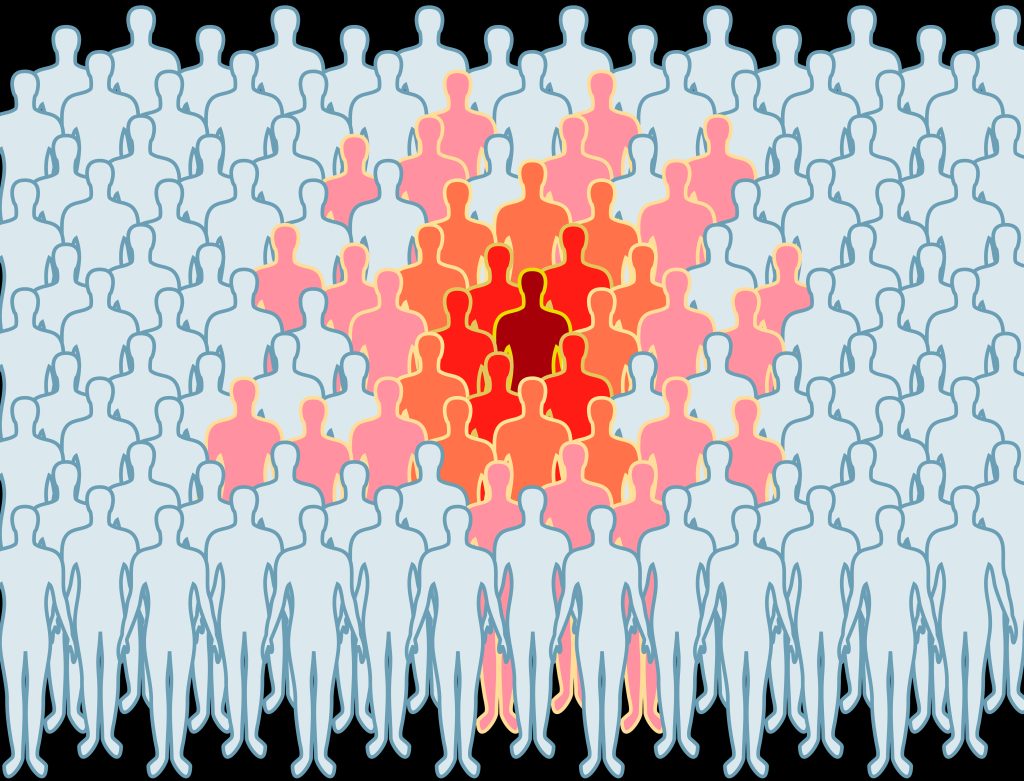
Bird Flu Mutations Could Trigger Pandemic Worse Than COVID, Institut Pasteur Warns

Last updated on

For many people, bird flu still sounds like a distant problem affecting farms and wild birds, not something that could upend daily life the way COVID-19 did. Yet leading scientists are quietly warning that the H5 strain now spreading in animals has the potential, under the right mutations, to become far more than an agricultural issue, raising difficult questions about how worried we should be and how prepared we really are.

Why Scientists Are Worried About Bird Flu

France’s Institut Pasteur is issuing a clear but measured warning: the H5 bird flu virus, now entrenched in wild birds, poultry, and some mammals, could trigger a pandemic if it evolves to spread efficiently between humans. Marie-Anne Rameix-Welti, who leads the institute’s respiratory infections center, says the primary concern is the virus adapting to mammals, especially humans, and gaining stable human-to-human transmission. In that scenario, it would qualify as a pandemic virus and could be more severe than COVID-19.
The concern is not theoretical. H5 bird flu has already led to the culling of hundreds of millions of birds worldwide, disrupting food supplies and raising prices. Human infections remain rare, but when they occur, they are often serious. Since the early 2000s, nearly 1,000 human H5 infections have been recorded globally, with roughly half proving fatal. Most cases trace back to close contact with infected birds or contaminated environments. Recent spillover events in North America, including infections linked to poultry, dairy cows, and the first documented human case of H5N5 in the United States, highlight the virus’s continued movement across species. Even so, global health agencies stress that the present risk of a human pandemic is low. For now, bird flu should be viewed as a low probability but high impact threat, one that calls for vigilance rather than panic.

A Virus Our Immune System Doesn’t Recognize
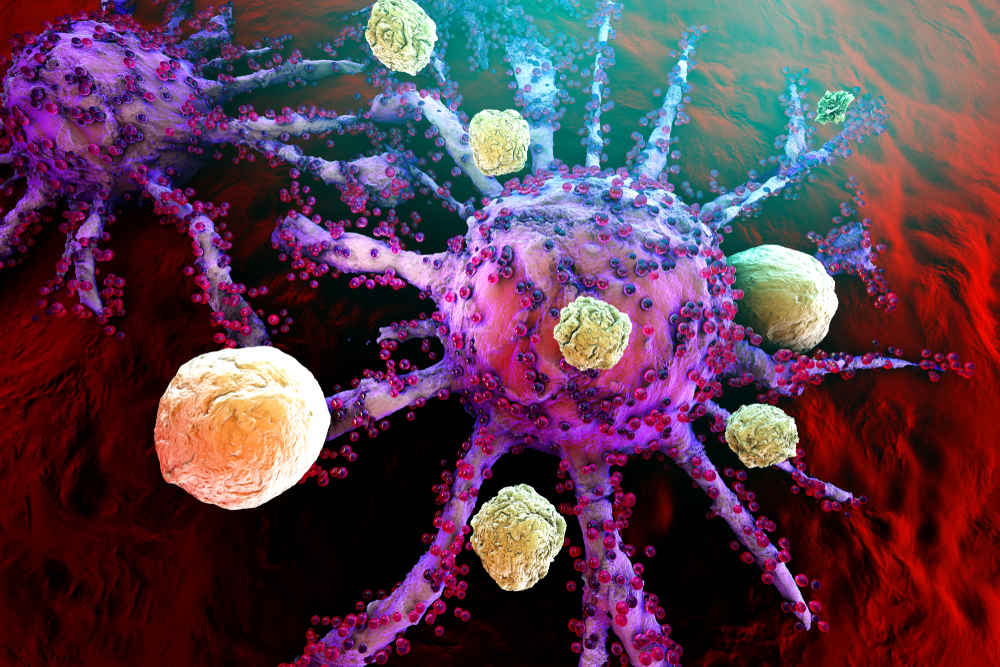
One of the biggest red flags scientists are watching is the simple fact that humans have virtually no existing immunity to H5 bird flu viruses. Our immune systems regularly encounter seasonal flu strains such as H1 and H3, which helps build partial protection over time. H5 viruses, however, circulate predominantly in birds and only rarely infect people, which means the human population has had little exposure to them. This lack of antibodies creates a vulnerability similar to the one seen during the early months of COVID-19, when the global population had no pre-existing immunity to SARS-CoV-2. But experts note a crucial difference. Seasonal flu tends to hit the very young, very old, or immunocompromised hardest. Avian flu viruses, including H5 strains, have a documented ability to cause severe illness even in otherwise healthy individuals. Previous outbreaks have included cases involving children and adults with no underlying health conditions.
The global fatality data reinforces the concern. According to the World Health Organization, nearly half of the confirmed human H5 infections since 2003 have been fatal. While these cases are rare and primarily linked to direct contact with infected animals, the severity of illness demonstrates how unprepared the human immune system is when confronted with these viruses. This vulnerability does not mean a pandemic is inevitable, but it does explain why public health agencies track any shift in H5 behavior closely. A virus that people have no natural defenses against, combined with the potential for severe disease, is the type of pathogen that can become dangerous quickly if it gains new ways to spread.

How Bird Flu Jumps From Animals To Humans
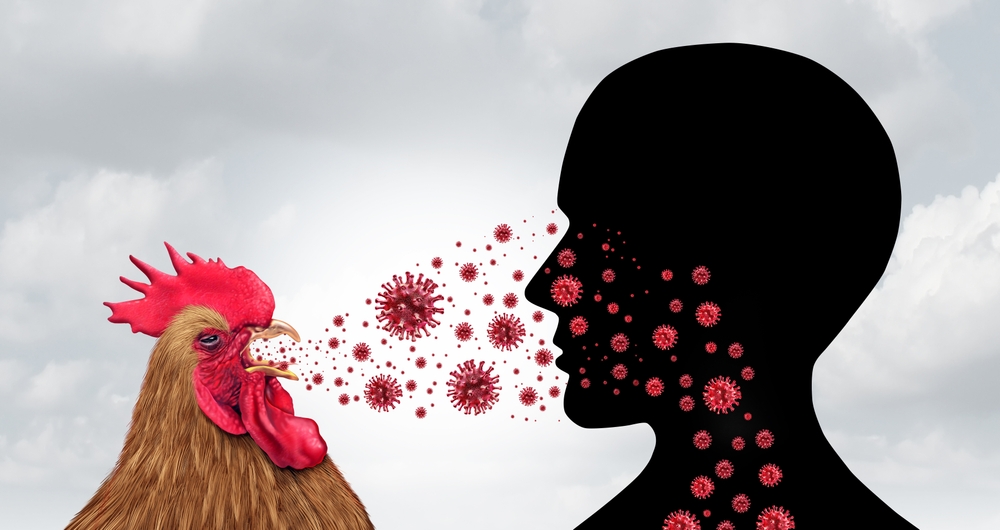
Right now, bird flu is mostly an animal problem. The H5 viruses driving concern are circulating in wild birds and poultry, and in some regions they have spilled into other species such as dairy cows. That circulation creates the conditions for the virus to keep experimenting, in a sense, as it moves through different hosts and environments. Most human infections recorded so far have emerged in very specific contexts. People became ill after working closely with infected poultry, handling sick or dead birds, or spending time in heavily contaminated settings such as farms or live bird markets. In these situations, the virus does not need to be especially efficient at spreading between people. It has plenty of opportunity to move directly from animal to human through contact with secretions, droppings, or contaminated surfaces.
https://www.youtube.com/watch?v=GFKGiNKoQQk
What has scientists on alert is the virus’s growing presence in mammals. Each time H5 infects a mammal, it encounters a new type of immune system and a different body temperature and physiology. That gives it more chances to acquire mutations that might make it better at binding to human airways or replicating in human cells. So far, there is an important line that the virus has not clearly crossed: sustained transmission from one person to another. Health investigations around recent cases, including those involving farm workers and the first reported H5N5 infection in the United States, have not found chains of infection spreading through families or communities. That is why experts describe the risk of a human pandemic as low at the moment. The virus still relies on close contact with infected animals to reach people. The concern is what could happen if future mutations weaken that barrier.

If H5 Changes, How Much Protection Do We Actually Have
Although the possibility of a human-adapted H5 virus is concerning, experts emphasize that global preparedness is far stronger than it was before COVID-19. Influenza, unlike a novel coronavirus, is a pathogen scientists study every year, and there are established systems for rapid surveillance, vaccine development, and antiviral deployment. Researchers at institutions such as the Institut Pasteur note that flu vaccine candidates tailored to H5 strains already exist. Manufacturers also have experience scaling up production quickly, which could shorten the timeline between identifying a threatening mutation and getting a protective vaccine into use. This is a significant advantage compared to the early days of COVID-19, when the world had to build vaccines from scratch. Antiviral medications offer another layer of defense. Countries maintain stockpiles of flu-specific antivirals designed to inhibit the virus’s ability to replicate in the body. While these medications would need to be evaluated against any emerging strain, they provide a critical starting point for treatment strategies.
Surveillance capacity has also expanded since 2020. Many countries increased genomic sequencing infrastructure during the pandemic, allowing scientists to track viral changes with greater speed and precision. This is particularly important for H5 viruses, which continue to circulate widely in birds and appear periodically in mammals. However, preparedness is not absolute. The effectiveness of vaccines or antivirals would depend on how much the virus mutates, and global access to medical countermeasures remains uneven. Public health experts stress that early detection, rapid response, and coordinated communication would be essential if the virus began behaving differently. In short, the world is better positioned than before, but readiness still hinges on vigilance, investment, and the ability to act quickly if the situation shifts.

Turning Concern Into Preparedness, Not Panic

The warnings about bird flu are unsettling, especially after everything the world has been through with COVID-19. But they are not a sentence, they are a heads-up. This is our chance to respond thoughtfully rather than fearfully: to pay attention to credible updates, to follow simple precautions around sick animals, and to support the often invisible work of surveillance, labs, and health workers who are watching this virus closely. Most of us will never set foot in a virology lab, but choosing solid information over speculation is already a powerful form of participation. If there is one lesson we can carry from the last pandemic, it is that what we do before a crisis matters just as much as what we do during one. Asking questions, voting for leaders who fund public health, and normalizing conversations about preparedness all help shift us from feeling at the mercy of events to feeling engaged in shaping what happens next. Bird flu is a real risk, but it is also a reminder that we are not powerless. With clear information, steady investment, and a bit of collective courage, concern can become readiness instead of panic.

Some of the links I post on this site are affiliate links. If you go through them to make a purchase, I will earn a small commission (at no additional cost to you). However, note that I’m recommending these products because of their quality and that I have good experience using them, not because of the commission to be made.

About Juicing For Health

Loading...

Comments

Leave a Reply

XHTML: You can use these tags: