
Acute Myeloid Leukemia Symptoms to Recognize Following Tatiana Schlossberg’s Death
Last updated on
The death of Tatiana Schlossberg at the age of 35 has brought renewed public attention to acute myeloid leukemia, a fast-moving and often devastating form of blood cancer. Schlossberg, an environmental journalist and the granddaughter of former U.S. President John F. Kennedy, died only weeks after publicly sharing her diagnosis. Her passing was confirmed in a statement released by the JFK Library Foundation, which read, “Our beautiful Tatiana passed away this morning.” The message continued with the words, “She will always be in our hearts.” The statement was signed by her husband, George Moran, their two children, and her immediate family. In an essay published shortly before her death, Schlossberg described being diagnosed with acute myeloid leukemia after the birth of her second child. She wrote openly about undergoing chemotherapy, stem cell transplants, and experimental treatments, all while caring for a young family. Her experience highlights a reality that many people do not expect. Acute myeloid leukemia is often associated with older adults, yet it can and does affect younger people, sometimes with little warning. Understanding how this disease develops and what symptoms it causes may help others recognize when something serious requires medical attention.
What acute myeloid leukemia is and how it affects the bod
Acute myeloid leukemia is a cancer that begins in the bone marrow, where blood cells are made. In this condition, the marrow produces large numbers of abnormal white blood cells that do not mature properly. These defective cells crowd out healthy red blood cells, platelets, and normal white blood cells, which leads to many of the symptoms associated with the disease. Because the abnormal cells multiply quickly, AML progresses rapidly if left untreated.
Why early AML symptoms are often mistaken for common illness
One of the reasons acute myeloid leukemia is difficult to catch early is that its initial symptoms often resemble everyday illnesses. Many people first notice ongoing fatigue, low-grade fever, or a general sense of weakness. These signs are easy to attribute to stress, lack of sleep, a viral infection, or recovery after childbirth. In Schlossberg’s case, her diagnosis came after welcoming her second child, a time when exhaustion and physical strain are already common.
Common physical signs as AML progresses
As acute myeloid leukemia advances, symptoms often become more noticeable and disruptive. Many people develop frequent infections or infections that do not fully clear with treatment. This happens because abnormal white blood cells cannot protect the body the way healthy ones do. Fever may occur repeatedly, even without an obvious source of infection. Bleeding and bruising are also common warning signs. People may notice nosebleeds, bleeding gums, or bruises that appear without injury. Small red spots on the skin, known as petechiae, can appear when platelet levels drop. These symptoms reflect the bone marrow’s reduced ability to produce platelets that help stop bleeding. Other physical changes include pale skin, dizziness, headaches, and shortness of breath. These symptoms are linked to anemia, which develops when red blood cell levels fall. Some individuals also experience night sweats, unexplained weight loss, or a reduced appetite as the disease places increasing stress on the body.
Pain, swelling, and less obvious symptoms
Acute myeloid leukemia can also cause symptoms that are not immediately associated with blood disorders. Bone pain, especially in the back, hips, or long bones, can occur when the marrow becomes overcrowded with abnormal cells. Some people experience joint discomfort or deep, aching pain that does not improve with rest. Swelling of lymph nodes in the neck, armpits, or groin may develop as leukemia cells accumulate. The liver or spleen can also become enlarged, leading to abdominal discomfort or a feeling of fullness after eating small amounts. These symptoms may be mistaken for digestive or musculoskeletal issues, delaying further testing. In some cases, wounds or sores may heal slowly, and overall weakness may make daily tasks increasingly difficult. When these symptoms appear alongside fatigue, fever, or bleeding issues, doctors recommend further investigation to rule out serious conditions such as leukemia.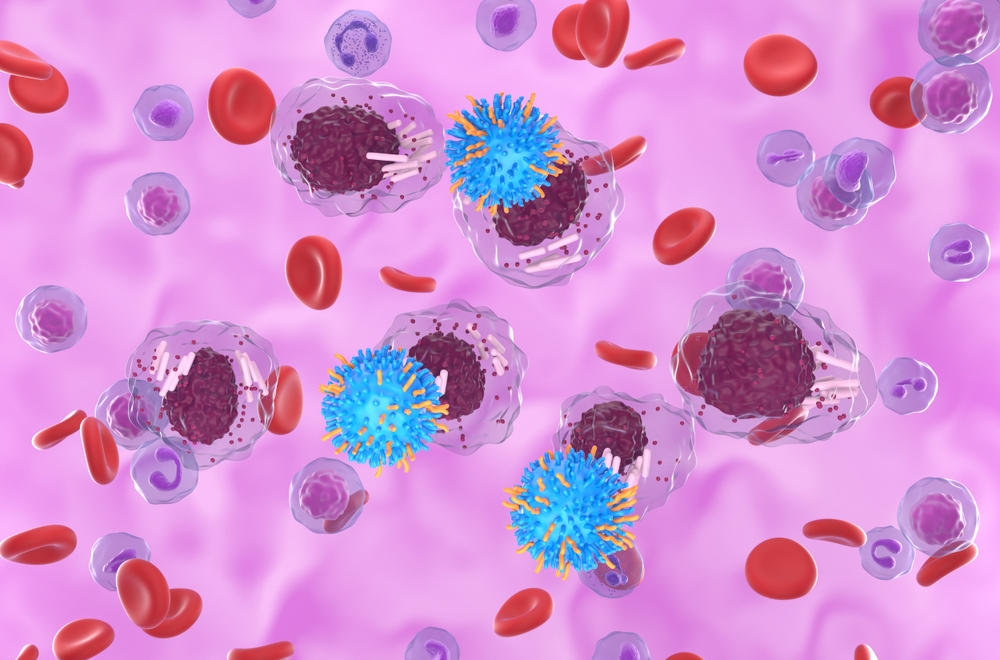
When symptoms should prompt medical attention
Medical professionals stress that no single symptom confirms acute myeloid leukemia, but patterns matter. Ongoing fatigue combined with fever, frequent infections, or unexplained bruising should not be ignored. Sudden weight loss, shortness of breath with minimal activity, or persistent bone pain also warrant evaluation. Diagnosis typically begins with blood tests that measure red blood cells, white blood cells, and platelets. If results raise concern, a bone marrow biopsy is used to confirm the presence of leukemia and identify its subtype. Early diagnosis allows treatment to begin sooner, which can improve outcomes for some patients. Schlossberg’s public writing about her illness has helped bring attention to how quickly AML can change a person’s health. While awareness cannot prevent every case, understanding symptoms may help individuals seek care earlier rather than dismissing warning signs as temporary or harmless.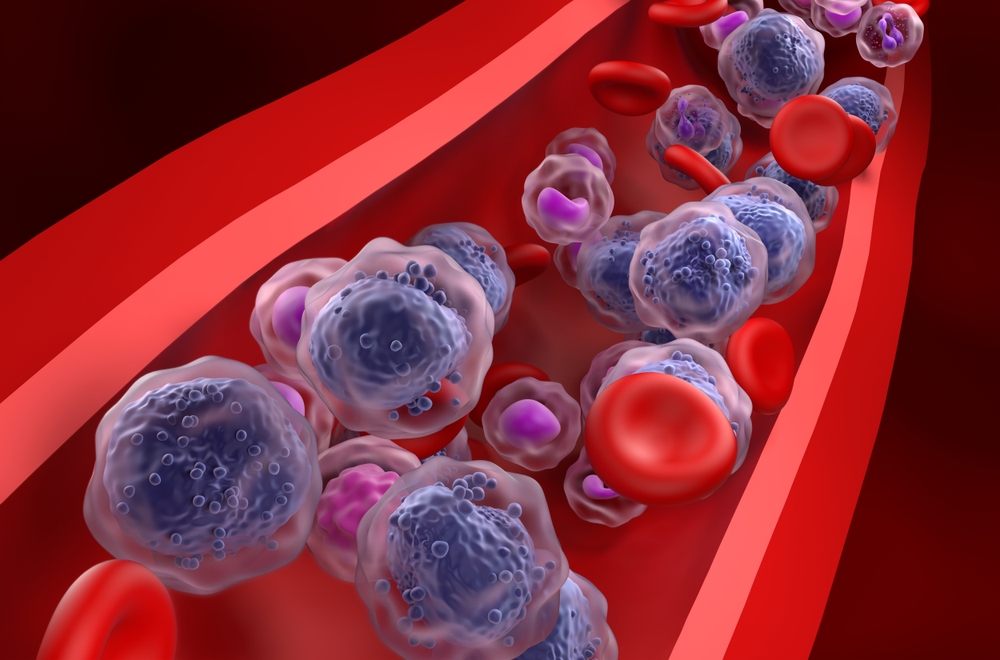
A final word on awareness and compassion
The loss of Tatiana Schlossberg is a reminder that serious illness does not always follow expectations about age or lifestyle. Acute myeloid leukemia can affect young adults, parents, and people who appear otherwise healthy. Paying attention to persistent changes in the body is an important step in protecting one’s health. If you or someone close to you experiences symptoms that feel unusual or do not improve, contacting a healthcare provider is essential. For those seeking information or support, organizations such as the American Cancer Society offer confidential resources and guidance at any stage of diagnosis.Some of the links I post on this site are affiliate links. If you go through them to make a purchase, I will earn a small commission (at no additional cost to you). However, note that I’m recommending these products because of their quality and that I have good experience using them, not because of the commission to be made.


 JOIN OVER
Comments